

How to read a match at Jamtha before the first ball: the toss, the pitch and the dew
Regulars at Nagpur's Vidarbha Cricket Association Stadium say half the match is decided before the first ball, and here is how they read it.
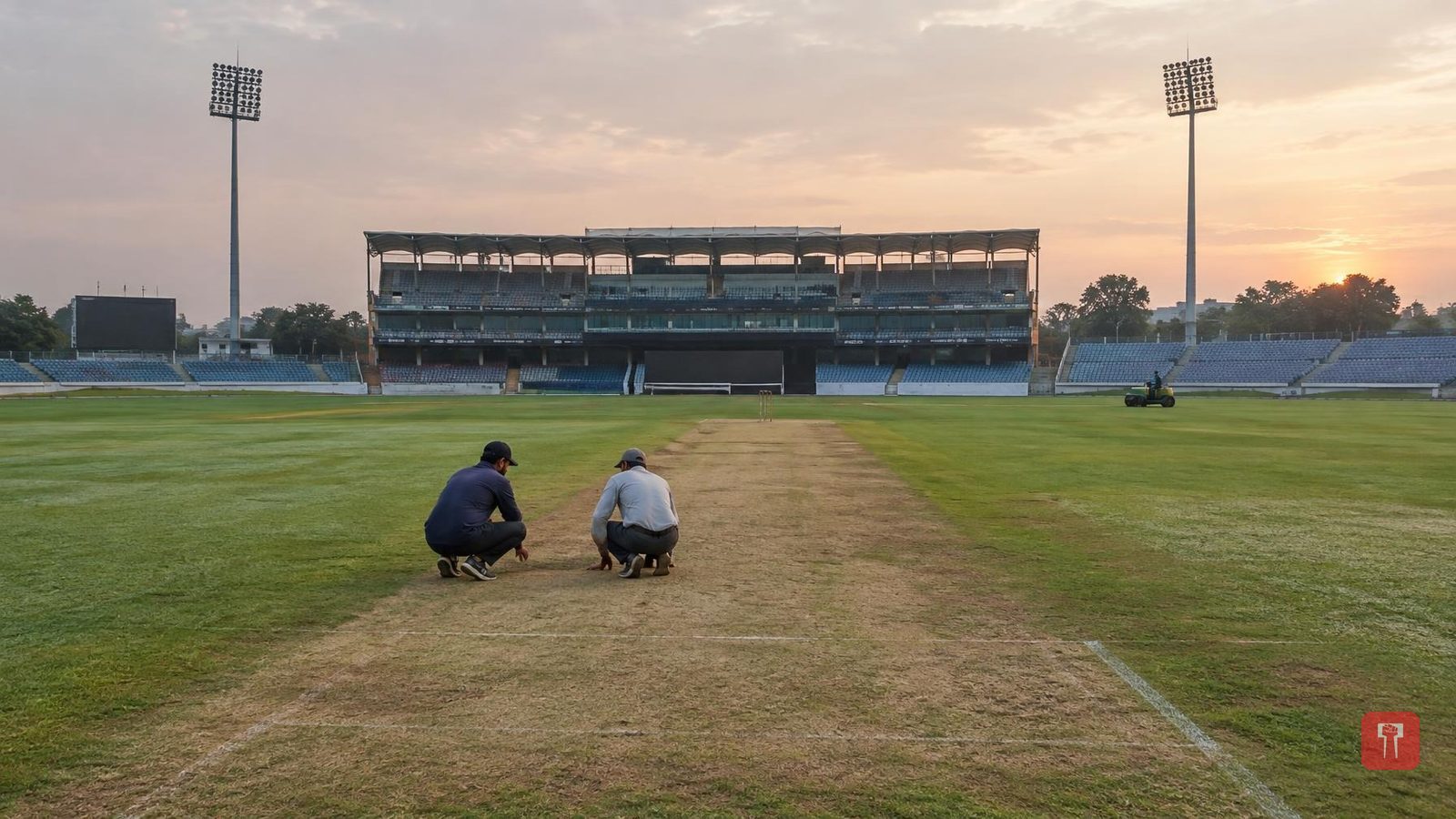
Ask any regular at the Vidarbha Cricket Association Stadium in Jamtha and they will tell you that half of a match is decided before the first ball is bowled. The toss, the colour of the pitch, the evening breeze coming from the Wardha Road side and the mood in both dressing rooms all give a hint. With the domestic season about to pick up again, here are a few simple ways, drawn from experience at Nagpur's home ground, to read a match in advance.
Start with the toss, but do not stop there. Television gives the coin toss plenty of time, and there is a reason: the captain who wins it decides the conditions in which his or her team will play. In a day game on a dry pitch, many captains bat first so as to put runs on the board before the pitch wears. In day-night games the opposite is often true, because once dew settles on the outfield, chasing under lights can be easier.
Even so, the toss is only an early signal. A strong team that loses the toss remains a strong team. Treat it as an input that nudges your estimate a little, not as the decider of the whole match. Listen closely, too, to what both captains say at the toss.
Read the pitch with a local's eye. Over the years Jamtha has become known as a ground where the nature of the pitch changes from one match to the next. In some matches spinners have dominated, with the ball gripping and turning from the early overs. On other occasions the pitch has been flat and trustworthy, and batters have been able to play their shots freely.
When the pitch is shown on screen or the commentators describe it, watch for a few things. A green pitch with grass helps seam bowlers early, while a brown, dry pitch helps spin as the match goes on. Cracks and dry patches can deepen later in a Test, making batting difficult in the final days. A hard pitch generally gives better bounce and carry, which batters like. Jamtha is a big ground, so big shots towards square of the wicket are not as easy as they look on smaller grounds. The best habit is to keep checking the pitch report against the actual play in the first few overs. If the ball is turning sharply in the first hour, change your view at once.
Now to the dew, the weather and Nagpur's evenings. Anyone who has watched a late evening match in the winter months knows how heavy the dew is here. Once moisture settles on the grass, the ball begins to slip and becomes hard to grip. Spinners struggle to extract turn and seamers lose control. Batters, on the other hand, find the ball skidding on nicely.
This is why captains often choose to bowl first in day-night white-ball matches. It is not a guaranteed advantage, but experienced fans keep an eye on it. Check the weather forecast: how much humidity there will be, what the evening temperature will be and whether rain is likely. A rain-shortened match can completely change the arithmetic of a chase, so it is worth knowing before play begins how revised targets are set.
Team form is the most talked-about factor and at times the most misunderstood. A team that has won its last few matches will be high on confidence, but look beyond the results. Who is scoring runs, whether the main bowlers are fit and fresh or have been overworked, and whether a key player has just returned from injury. The playing XI announced at the toss also shows how a team has read the conditions. An extra spinner means the team expects turn. An extra seamer means it has seen something in the pitch or the sky. If the two teams field entirely different combinations, it means they have reached different conclusions about the same pitch, and the first session will show who was right.
Matchups matter more than names. Big names sell tickets, but matchups decide matches. A batter in superb form against fast bowling can be uncomfortable against left-arm spin on a turning pitch. A bowler who does wonders with the new ball can be less effective once the dew arrives. Before the match, think of two or three such contests that could decide the result, whether you are in the stands at Jamtha or at home in Dharampeth.
Many fans now also look at pre-match odds along with team news, mostly out of curiosity. Odds are in effect a summary of how the market is reading all of the above: the toss, the pitch, the weather and the form of both teams. If the odds move sharply after the toss or the team announcement, it generally means the effect of new information has been added to them. Still, odds are not a prediction, and they are no substitute for watching the match closely. Even the most accurately forecast match can be turned by one dropped catch or one fiery spell.
Finally, a simple pre-match checklist. Who won the toss, what did they choose and why. What does the pitch look like and how has it played in recent matches here. Could dew or rain affect play later in the day. How are the key players playing and is anyone struggling with an injury. And which two or three head-to-head contests could turn the match. Find the answers to these five questions and, long before the umpires walk out, you will be reading the match the way Jamtha's old regulars do.
This article is meant for readers aged 18 and above. If you take part in any form of betting, do so responsibly, set limits and treat it as entertainment, not as a source of income.
