

How Dhanteras is observed across India, from Maharashtra and Bengal to Rajasthan
 Images are not validated/verified
Dhanteras, the first day of Diwali, is marked with different customs in each region, but the message that health is true wealth is shared across the country.
Dhanteras, also called Dhantrayodashi, is the first important day of the Diwali festival of lights. In north India it is also known as Dhanteras. It is celebrated on the Trayodashi of the Krishna Paksha in the month of Ashwin. The day is seen as a celebration of wealth and prosperity as well as good health and long life.
India's culture is rich in diversity, and so the ways and traditions of observing Dhanteras differ from state to state and are distinctive and interesting. Here is a look at what is done where.
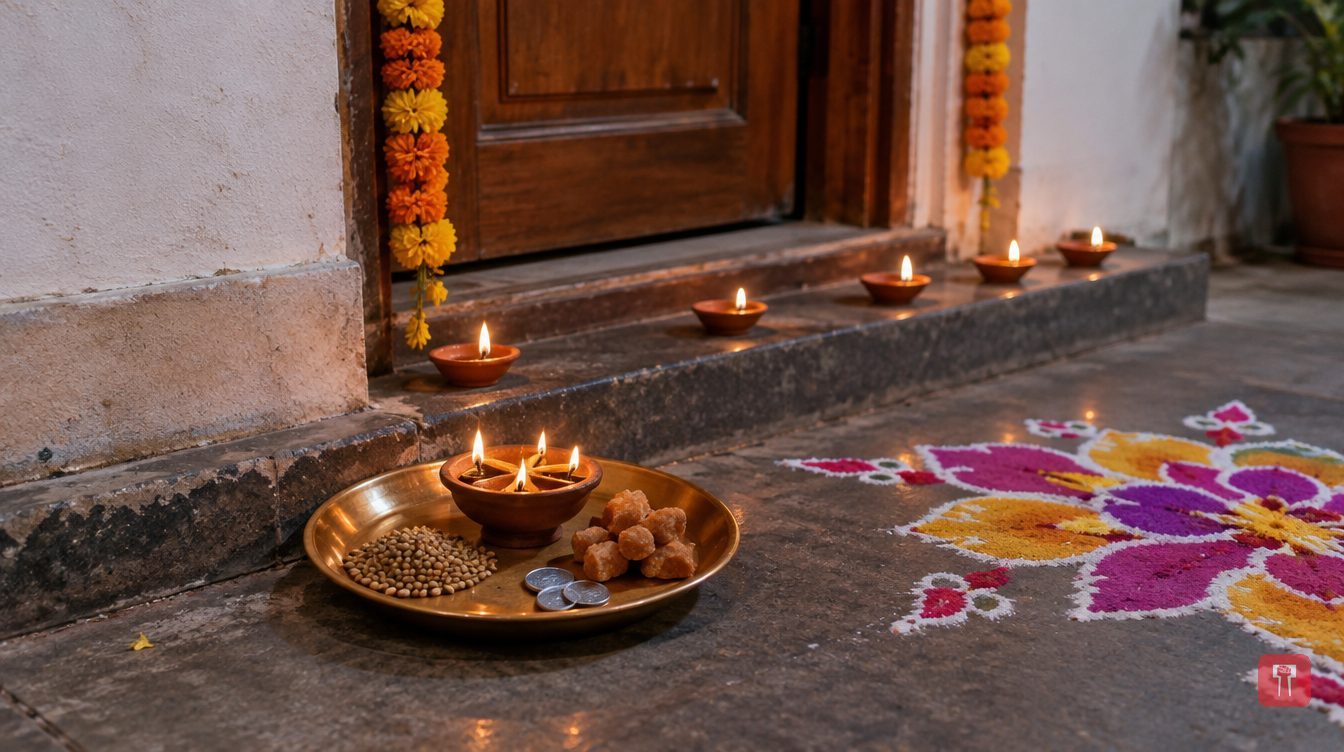
In Maharashtra, Lord Dhanvantari is worshipped in particular on this day. Dhanvantari is regarded as the father of Ayurveda and the physician of the gods. The day is considered very important for people's good health. In many homes, gold and silver ornaments or new coins are washed clean and placed in the puja. Traders worship their cash safes. There is also a special tradition in Maharashtra of offering a naivedya (food offering) of coriander seeds and jaggery mixed together. As a symbol of health, neem leaves or neem leaf juice are also taken.
In Uttar Pradesh, Delhi and Punjab, the festival is widely celebrated as Dhanteras. There it is mainly linked with welcoming Goddess Lakshmi and Lord Kubera. Buying new utensils of copper, brass or steel, gold and silver ornaments, brooms or electronic goods is considered highly auspicious on this day. Markets stay lit up until late at night. In the evening, a large four-wick, four-faced lamp (Yamadeepdaan) is lit outside the main entrance of the house, facing south, so that no member of the family meets an untimely death.
In Gujarat, known for investment and trade, Dhanteras is seen as the start of a good financial year. Traders and businesspeople bring new account books (chopda) for worship and draw a swastika on them as a symbol of Goddess Lakshmi. Gujarati families draw elaborate rangoli designs in the courtyard, decorate their homes with lamps and await the arrival of Lakshmi.
In south India, the day is known as Dhanvantari Jayanti and carries greater religious and medical significance. In Tamil Nadu, all members of the household gather in the morning and take a special medicine (Lehyam/Marundu) made from Ayurvedic herbs, jaggery and ghee. They believe it keeps them in good health through the year. The house is cleaned thoroughly and lamps are lit in the prayer room before a picture of Lord Dhanvantari.
In east India the custom is slightly different. In Bengal, Kali Puja carries more weight during Diwali, but Yamadeepdaan is still performed on Dhanteras. In Odisha and West Bengal, there is a practice of lighting 13 clay lamps around the house and near the tulsi plant on this night. In some areas, an akashdeep (a lantern or lamp) is hung on a tall bamboo pole to show the way to the spirits of ancestors.
In rural Rajasthan, the day is linked with nature and livestock. Cows and bullocks are decorated and worshipped because they are regarded as true wealth. To underline the importance of water, women worship the village well or water source and light a lamp there.
Although customs vary from state to state, the core message of Dhanteras, "health is the true wealth", is observed with the same enthusiasm and faith across India.
Reach readers on the ward they actually live in.
Advertise with Prime Time 24Reach readers on the ward they actually live in.
Advertise with Prime Time 24Reach readers on the ward they actually live in.
Advertise with Prime Time 24Reach readers on the ward they actually live in.
Advertise with Prime Time 24
Comments
No comments yet. Be the first.