

Healthier livestock key to Viksit Bharat, says Godrej Agrovet chairperson Burjis Godrej
Burjis Godrej says India's push to become a developed nation by 2047 must go beyond infrastructure to focus on keeping animals healthier, not on raising their numbers.
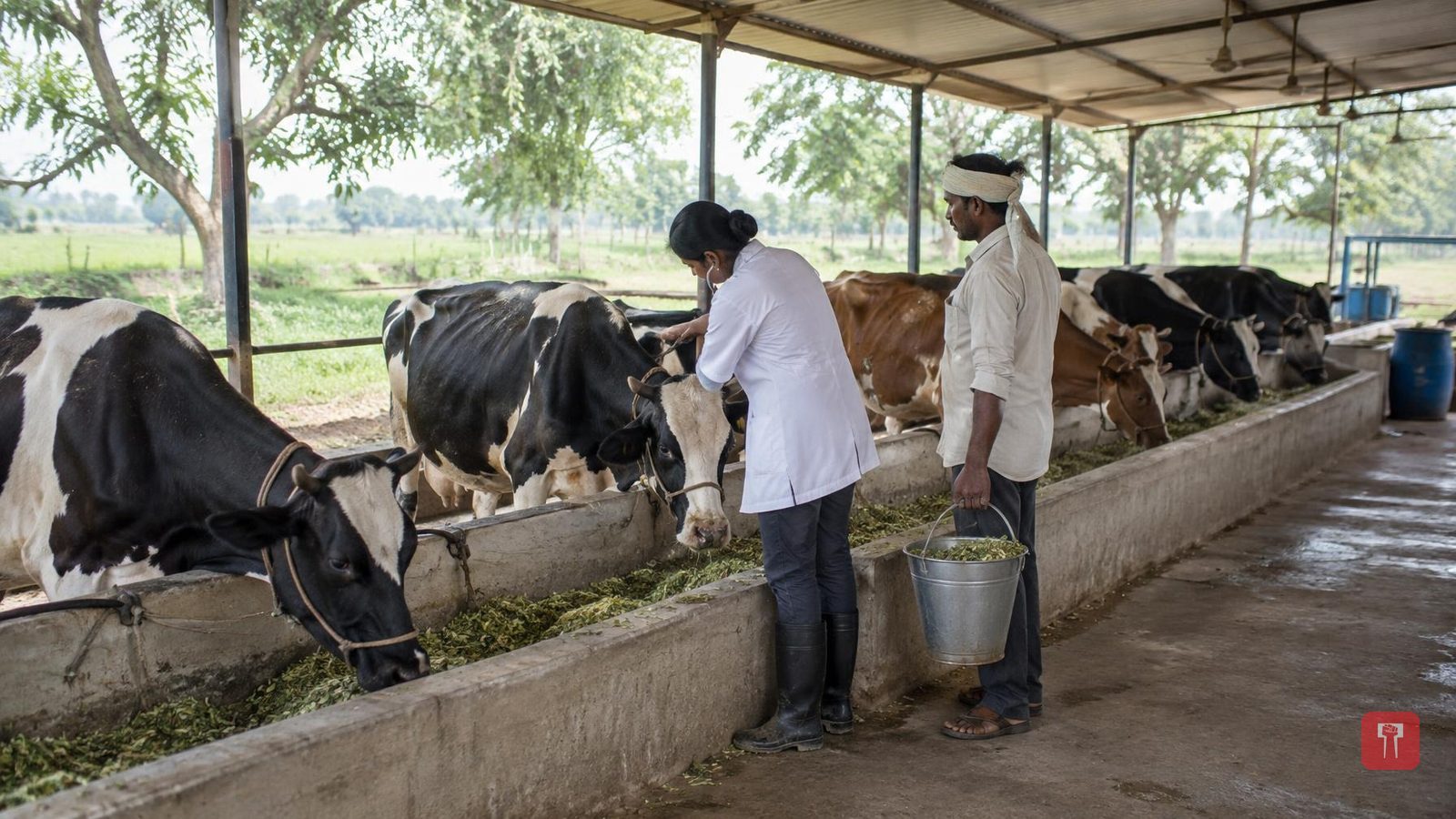
Godrej Agrovet Limited chairperson Burjis Godrej has said that if India is on course to become a developed country by 2047, an emphasis on infrastructure alone is not enough. Animal health, an important aspect, must also be taken seriously. According to him, the focus should be not on increasing the number of animals but on keeping them healthier.
Godrej said the country is measuring its progress by highways, airports and tall buildings. In his view, a quiet but equally important yardstick is being missed: the health of our animals. He believes this is directly linked to human health, nutrition and well-being. As an economy matures, people's diets change. If Indians want a complete diet like people in developed countries, attention will have to be paid to the health of the animals that provide our food.
He summed up the whole matter in one word: protein. As incomes rise, demand for protein-rich food rises too, and he said this shift is already visible in India. The market for protein products in the country is estimated to grow from Rs 38,247 crore in 2024 to Rs 1.36 lakh crore by 2033. Godrej considers this encouraging, but says the growth rests largely on urban and lifestyle demand and is limited to premium dairy products and packaged food.
Looking beyond the figures, India is still a protein-deficient country. Indians take in an average of about 70 grams of protein a day. In the US, Canada and China the figure is 124 to 125 grams, in the European Union as a whole 82 grams, and even in sub-Saharan Africa 58 grams. More than half of the protein in the Indian diet still comes from cereals, well above nutrition guidelines, while pulses, a natural source of vegetarian protein, still have a small share on the plate.
According to Godrej, the debate often takes the wrong direction. India has the largest livestock population in the world and is the fifth largest poultry producer. The answer to the protein shortage therefore cannot be to increase animal numbers. The real answer is to make the existing animals healthier.
He said healthy animals give more and better quality milk, meat and eggs. In his view, poor health is the biggest obstacle to productivity in the sector. He explained that genetics sets the upper limit of potential, nutrition determines how close we get to that limit, and health determines what is actually achieved. Diseases cause heavy losses of about Rs 15,000 crore to Rs 20,000 crore every year. Godrej said the remedy is not complicated: vaccination, timely testing, biosecurity and, most important, nutritious feed that strengthens the digestive system and builds immunity, instead of treatment after illness sets in.
He also spoke about formalisation. According to him, turning unorganised and fragmented businesses into trusted brands brings discipline. Today only 25 per cent of India's milk is sold through formal channels. Even common farm produce such as coconut oil, edible oils and makhana has become trusted brands. The same approach can bring change to dairy, meat and poultry, benefiting both farmers and customers.
Godrej also raised the issue of sustainability. Livestock farming accounts for about one-fifth of the world's emissions. He said that if, instead of increasing animal numbers, smart nutrition is adopted with feed supplements such as Bovaer and monensin, methane emissions can be cut by up to 45 per cent.
He also drew attention to the fast-growing pet business. Between 2018 and 2023 the number of pets nearly doubled, and demand for pet food will grow at the same pace through 2033. Yet we are becoming more dependent on imports every year. If self-reliance is central to the vision of Viksit Bharat, production capacity within the country must be built in this sector too.
Finally, Godrej said a country's real progress is measured by the health of its citizens, and he is firmly convinced that animal health must be given priority in this. The focus should be not just on increasing numbers but on keeping animals healthier.
