

Hanuman's birth is marked on two dates: Chaitra Purnima and Narak Chaturdashi in Diwali
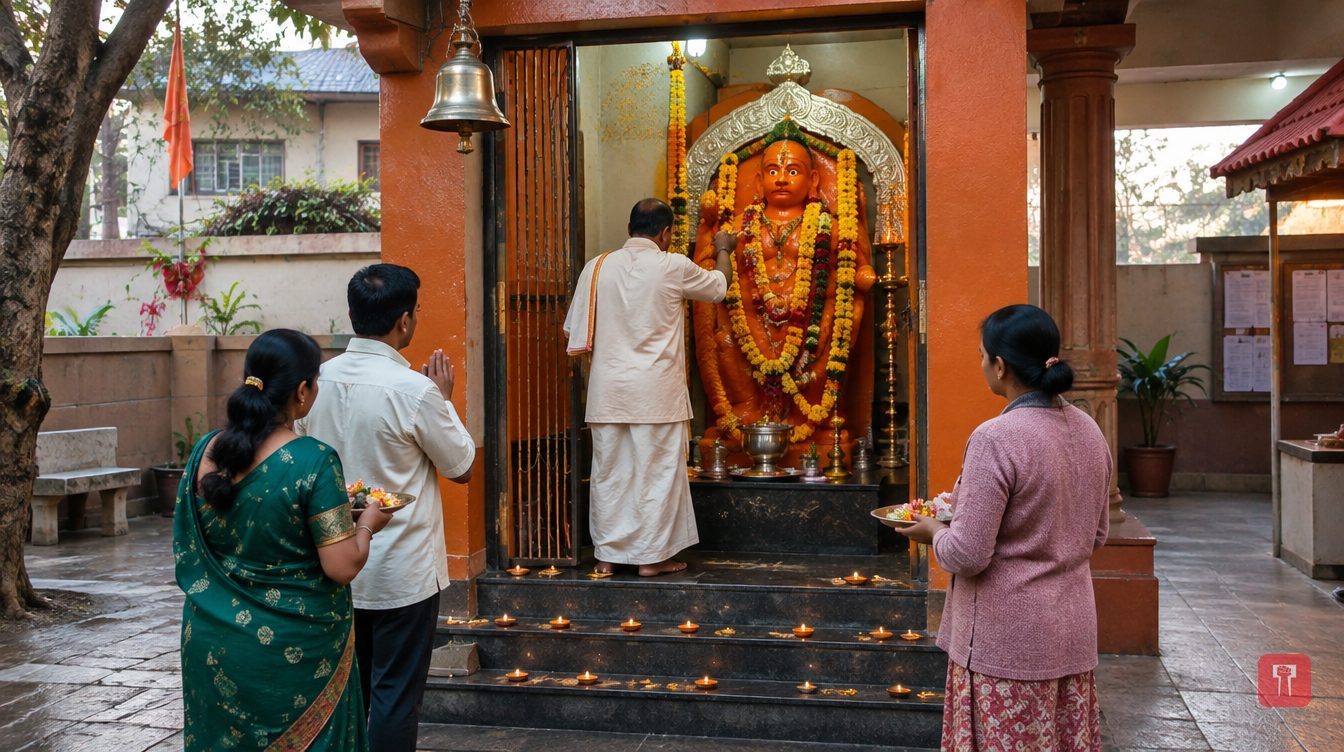 Images are not validated/verified
Hindu texts mention two dates for Hanuman's birth, Chaitra Purnima and Kartik Krishna Chaturdashi, and each is tied to its own beliefs and regional tradition.
In Hinduism, Lord Hanuman is regarded as the reliever of troubles. He is also seen as a symbol of strength, devotion and selfless service. During Diwali, Goddess Lakshmi and Lord Ganesha are worshipped, but Hanuman's worship also holds special importance in the same festival. The Chaturdashi of Kartik Krishna Paksha, which is Narak Chaturdashi, is a day on which Hanuman's birth is celebrated.
Hindu scriptures mention two different dates for Hanuman's birth. According to the shastras and Puranas, two main dates are recognised. The reasons behind both differ from region to region. Hence there are different religious beliefs behind Hanuman Jayanti being celebrated twice a year.
The first date is Chaitra Purnima. Believing that Hanuman was born on this day, Hanuman Jayanti is celebrated with great enthusiasm in Maharashtra, Karnataka, Andhra Pradesh and across South India. It is believed that on this day Hanuman was born to Mata Anjani as the eleventh Rudra incarnation of Lord Shiva. Hanuman is said to have appeared at sunrise, so the birth celebration is held in the sacred atmosphere of the morning.
The second date is Kartik Krishna Chaturdashi, or Narak Chaturdashi. In North India and in some particular religious traditions, Hanuman's birth celebration, or "Vijay Utsav", is held on this day. It falls in the thick of Diwali, a day before Lakshmi Puja. As a result, two different schools of thought have emerged. According to some texts, Mata Anjani performed severe penance and then gave birth to Hanuman on Kartik Krishna Chaturdashi, at midnight or in the evening. According to another account, on this same day Mata Sita was pleased with Hanuman's devotion. She granted him the boon of immortality and applied sindoor to him. The day is therefore called Hanuman's "second birth" or "boon day".
Stories from the Ramayana are also told to explain the worship of Hanuman during Diwali. Lord Shri Ram killed Ravana, the king of Lanka, and ended his fourteen-year exile. He was to return to Ayodhya with Mata Sita and Lakshmana. Before that, he had sent Hanuman to Ayodhya with a message. It was Hanuman who gave Bharata the joyful news that Lord Ram was coming.
The day Lord Ram returned to Ayodhya was Kartik Amavasya, the day of Diwali. On that day the whole of Ayodhya was lit up with rows of lamps. The people of Ayodhya also welcomed Hanuman, the Lord's beloved and dearest devotee, with great pomp. For this reason, remembering Hanuman during Diwali is considered extremely necessary.
According to one story, on the day of Kartik Chaturdashi Hanuman reached the Ashok Vatika in Lanka in search of Mata Sita. There he gave Lord Ram's ring to Mata Sita. Hearing Ram's message, Mata Sita was moved and pleased. She blessed Hanuman to be the giver of the "Ashta Siddhi and Nava Nidhi" and to remain immortal. That day was Kartik Chaturdashi. It is therefore believed that worshipping Hanuman on this day removes the fear of untimely death.
Narak Chaturdashi is the second of the five days of Diwali. On this day Lord Shri Krishna had killed the demon Narakasura. Hanuman himself is a reliever of troubles. It is therefore believed that worshipping him on this day wards off misfortune from the home and destroys negative energy. It is also believed that reciting the Hanuman Chalisa or Sundarkand on Kartik Chaturdashi removes the ill effects of Shani's Sade Sati or of other planets. It is customary to offer oil and sindoor to Hanuman on this day. It is said to bring happiness, prosperity and good health.
In short, Chaitra Purnima is regarded as Hanuman's day of manifestation, that is, his birth date. Kartik Chaturdashi is a celebration of his valour, his devotion and the boon of immortality received from Mata Sita. Whatever the date, devotion to Hanuman gives a person the strength to face troubles and inspiration to move towards light in life. In the light of Diwali's lamps, devotion to Hanuman helps dispel the darkness in life.
Reach readers on the ward they actually live in.
Advertise with Prime Time 24Reach readers on the ward they actually live in.
Advertise with Prime Time 24Reach readers on the ward they actually live in.
Advertise with Prime Time 24Reach readers on the ward they actually live in.
Advertise with Prime Time 24
Comments
No comments yet. Be the first.