

GST Council to discuss ending IGST exemption on gold, silver imports at October 7 meeting
The proposal would make banks and government-nominated agencies pay 3% IGST on imports of gold, silver and platinum, as the government keeps a close watch on imports.
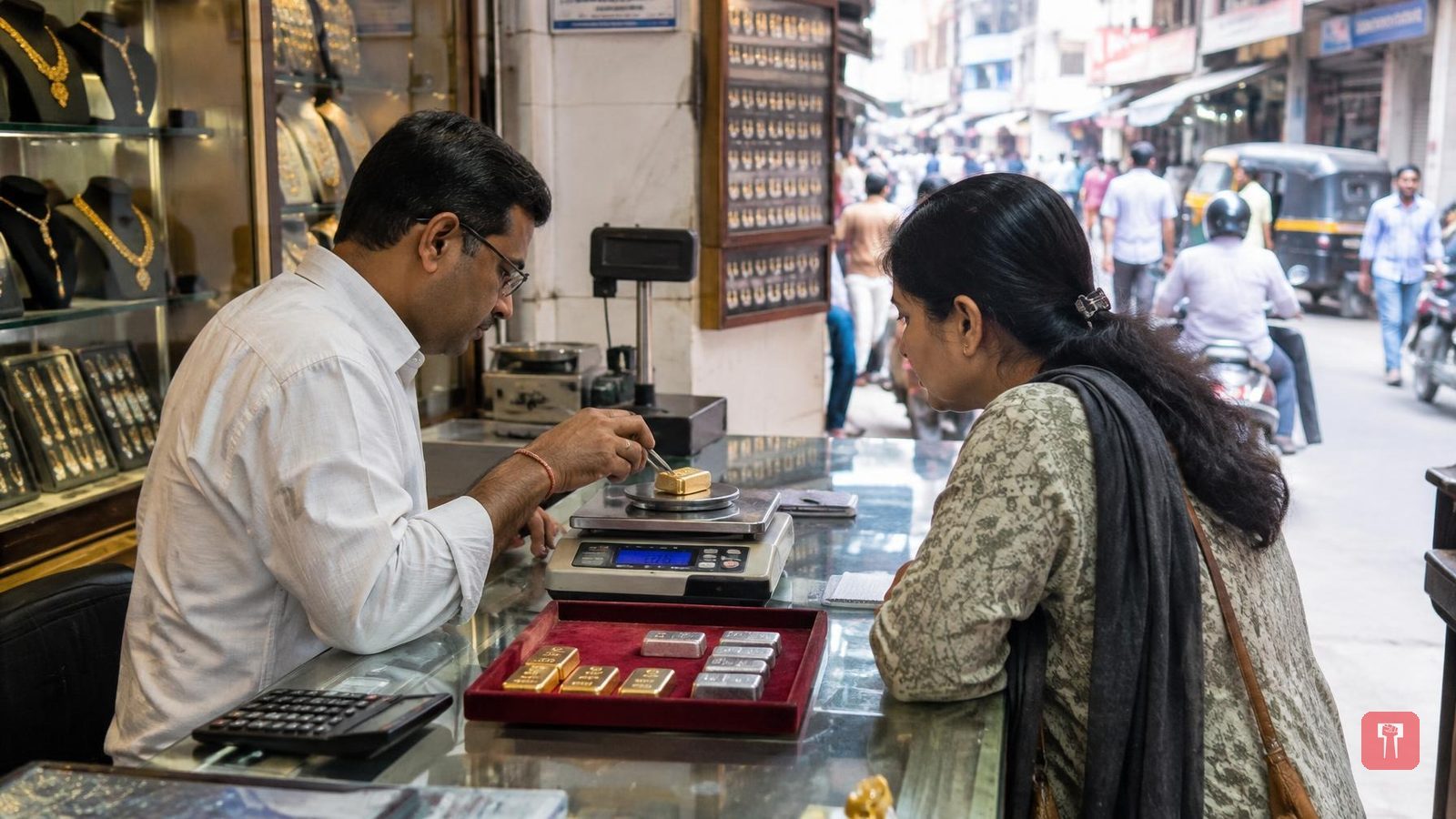
Gold and silver prices have seen considerable movement in recent days, attributed to trends in the global market. Bigger changes could follow in the next few days. One important factor is the GST Council meeting on October 7. It is said that the meeting could hold a major discussion on the exemption given to banks and government-designated institutions on gold, silver and platinum.
The meeting is reported to be set to discuss a proposal to end the IGST exemption on imports. At present, a 3% IGST is levied on imports of these metals, but some banks and nominated agencies are exempt from it. If the proposal is approved, these institutions will also have to pay 3% GST on imports. This does not mean gold and silver prices in shops will rise by 3% from the next day. Some effect will, however, be felt.
Under the current rules, a 3% GST is levied on imports of gold, silver and platinum. Banks and nominated agencies designated by the government have been exempted from this tax. The exemption was granted in 2017, when imports and trade in precious metals were taking place under a system with more regulation. The government is now considering changing that system. One aim of the proposal is to ensure a uniform tax regime for banks, nominated agencies and bullion markets. That is, even if the route of trade differs, there could be greater uniformity in taxation.
A major reason cited for the move to withdraw the exemption is the foreign exchange leaving the country through gold and silver imports. India has heavy demand for gold, and a large part of it is met through imports. According to the figures, India's gold imports between April and August 2026 rose 3.38% to $17.47 billion. Silver imports in the same period fell 8.81% to $1.74 billion. With pressure on the rupee, the government is keeping a close watch on imports of precious metals. Higher imports can raise the demand for dollars and increase the use of foreign exchange.
If the IGST exemption is scrapped, the cost for importing banks and nominated agencies could rise. In the long run, this could have some effect on the supply chain and prices. But gold prices are unlikely to rise by just 3%. The price of gold depends on several factors, including international rates, the dollar-rupee exchange rate, import duty, domestic demand and market conditions. So even if the proposal is approved, how much and how quickly it affects the market will depend on all these factors.
The government has already taken steps to curb gold and silver imports. In May 2026, the import duty on gold and silver was raised from 6% to 15%, while the duty on platinum was raised from 6.4% to 15.4%.
