

Gaya's Janardan temple lets the living perform their own pind daan in a three-day rite
At the Janardan temple on Bhasmakut hill, people can perform their own pind daan while alive, a rite called atma shraddh that lasts three days.
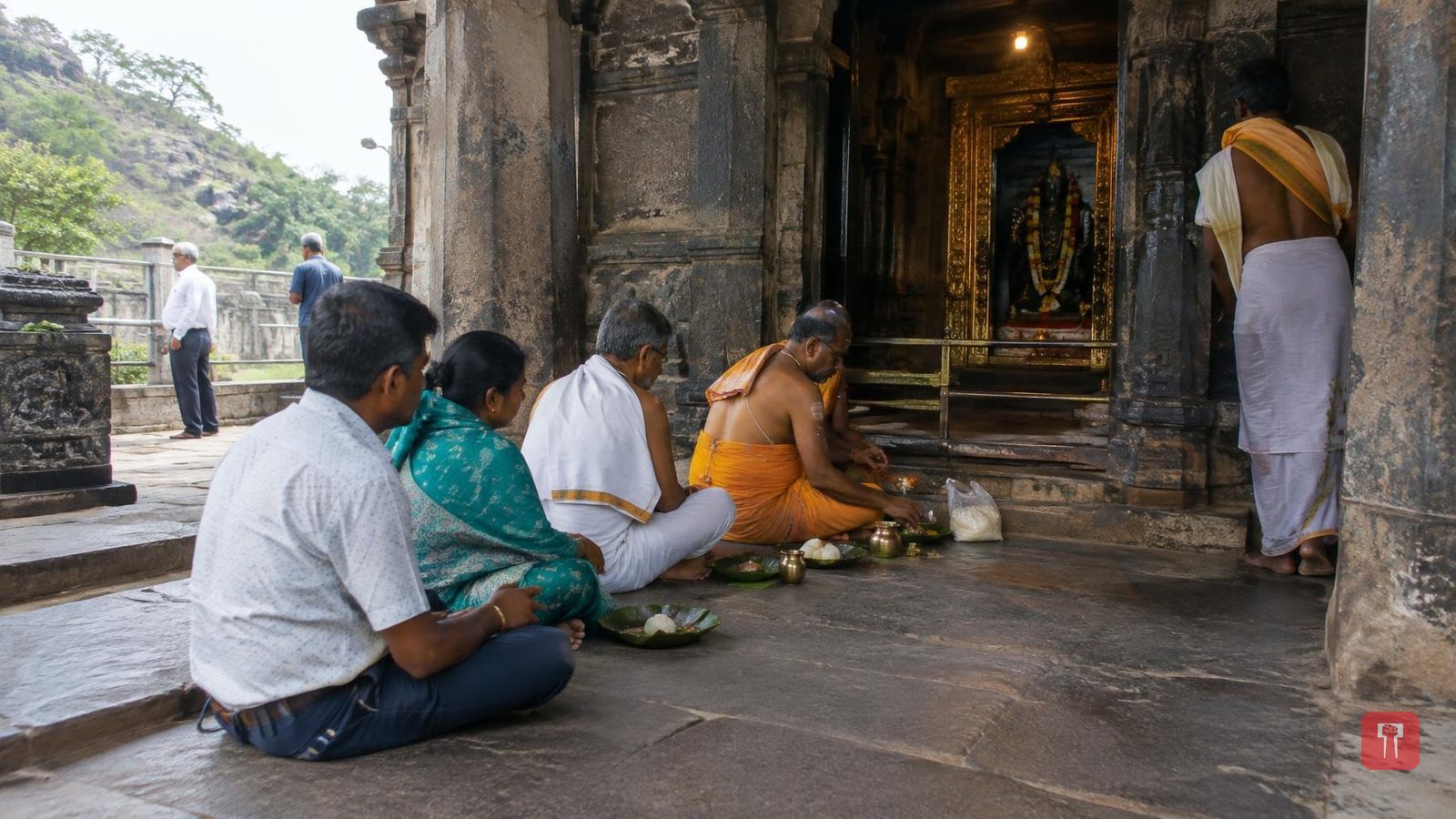
Pitru Paksha is under way. It is commonly heard that shraddh and pind daan are performed for a person after death, and that tarpan is offered to ancestors during Pitru Paksha so that they find peace and are shown gratitude. But there is a temple in India where a living person can perform their own pind daan. It may sound strange, but it is true.
The temple is in Gaya, Bihar, where the tradition is said to have continued for thousands of years. Gaya is known as the city of ancestors, and lakhs of people from India and abroad come here to perform pind daan for their forebears. The Janardan temple stands on Bhasmakut hill in the city, directly north of the Mata Mangla Gauri temple, and is dedicated to a form of Lord Vishnu.
It is considered an important vedi among Gaya's 54 pind vedis. Here a living person performs pind daan for themselves. This is called "atma pind daan" or "atma shraddh". It is said to be the only place in India where one can perform one's own pind daan while alive.
Why would anyone do so while alive? One main reason is given. People who have no children, and no heir to perform shraddh after them, come here and perform their own pind daan so that their soul does not have to wander after death and attains moksha. Sanyasis who have renounced the world also perform atma pind daan here. Some believe the rite for the soul's liberation should be done during one's lifetime, and they come here out of faith.
The rite does not last an hour. The atma shraddh process runs for three full days. According to the Vayu Purana, Lord Janardan himself is present in Gaya in the form of the ancestors. Merely seeing him frees a person from three debts. For this reason, shraddh performed here is considered as sacred as worship of Vishnu himself.
On the first day, a sankalp is taken. On the second day come penance, austerities, chanting, recitation of mantras and puja. On the third day the pind is offered. Verses on atma shraddh from the Vayu Purana are recited. Three pinds are then made from curd and rice. Notably, sesame is not used in these pinds. It is used in ordinary shraddh, but not in atma pind daan.
The three pinds are offered on the right hand of Lord Janardan. It is believed that Lord Janardan himself keeps safe the pind daan a person performs while alive. When that person dies, he himself offers those pinds at Vishnupad. The soul then gets a place directly in Vishnuloka and attains moksha.
Janardan is a name of Lord Vishnu. Vishnu's abode is Muktidham, and it is believed that a soul that reaches his feet attains moksha. The city of Gaya is also linked to the legend of the demon Gayasur. Every year during Pitru Paksha, which runs from Bhadrapada Krishna Pratipada to Sarvapitri Amavasya, the temple sees large crowds for atma pind daan. This unique tradition, said to be thousands of years old, is still observed with the same devotion.
