

Gauri Puja 2026: what Maharashtra's tradition of Gauri arrival and worship says
During Ganeshotsav in Maharashtra, the arrival and worship of Gauri carries deep significance, with rituals varying by family and region.
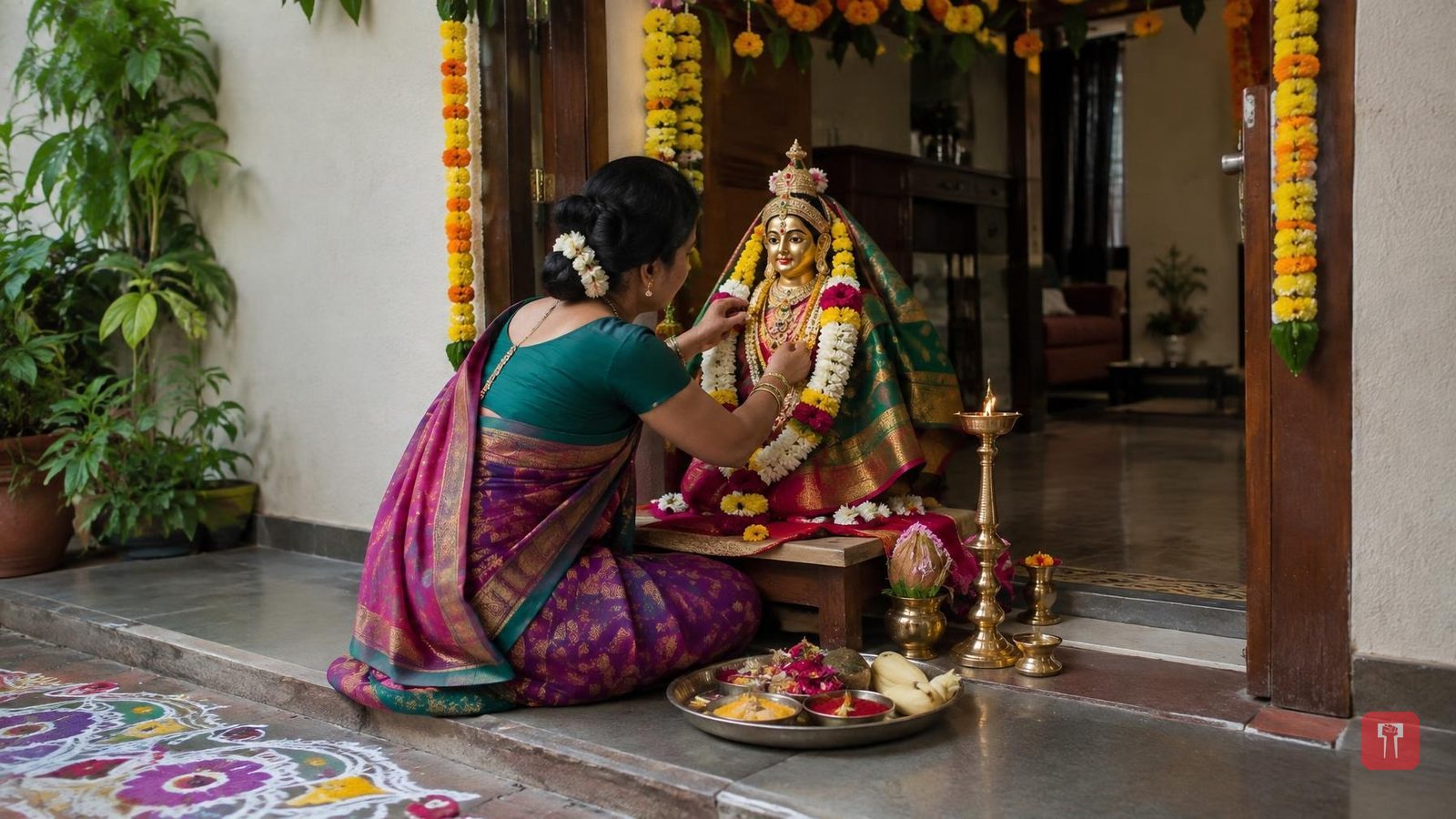
During Ganeshotsav in Maharashtra, great importance is given to the arrival of Gauri and to Gauri Puja. After Ganpati Bappa arrives, many households bring in Gauri and worship her devoutly. Gauri is considered a form of the goddess Parvati, while in some traditions she is also regarded as a form of Mahalakshmi. This is why Gauri Puja is associated not just with devotion but also with good fortune, prosperity and auspiciousness. Gauri is seen as the daughter, mother and symbol of prosperity of the household.
Different mythological stories and region-wise traditions exist about how the practice of Gauri Puja began. Since Gauri is believed to be a form of Parvati, her worship is linked to the goddess's power and motherhood. In many Maharashtrian families this tradition has continued for generations, though the installation of Gauri, the manner of worship, the naivedya offered and the immersion vary according to regional and family customs.
Gauri Puja is also linked to the tradition of giving haldi kunku to married women. In some households, a "vaan" is given to married women in front of Gauri, containing different items according to the family's custom. This ritual is considered an expression of good fortune and auspiciousness.
On the day of Gauri's arrival, the house is cleaned and rangoli is drawn at the threshold. The house is decorated with flowers and torans. Gauri is then installed according to the family's tradition. In some families Gauri is decorated in the form of masks, while in others she is installed as a kalash or in some other symbolic form.
After installation, Gauri is adorned with a sari, jewellery, garlands of flowers and other ornamentation. In some households Gauri is decorated in the traditional manner. This decoration is meant to welcome the goddess and express respect towards her.
On the day of Gauri Puja, it is customary to offer naivedya of various traditional dishes. In some households, puran poli, masale bhat, different vegetables, koshimbir, sweet dishes, fruits and panchpakwan are prepared as naivedya. However, the dishes offered can vary according to each family's custom and region.
There is no single way of observing Gauri Puja in Maharashtra; different traditions are seen in different parts of the state. In some places Gauri is worshipped as a form of Mahalakshmi, while in other families she is worshipped as Parvati. The form of the Gauri idol, the decoration, the naivedya, the worship and the day of immersion also change according to local custom.
After the puja, Gauri is immersed according to the family's set tradition. In some households, there is a difference in timing between the immersion of Gauri and that of Ganpati. The manner and day of immersion are decided according to the family's custom.
Gauri Puja is not merely a religious ritual but also a festival that brings family members together. The decoration of the house, traditional dishes, worship, aarti, haldi kunku and the custom of giving vaan to married women give this festival its cultural colour. Through Gauri Puja, devotion is expressed towards the goddess, along with prayers for happiness, peace and prosperity in the family.
