

Gadkari: Biochar can raise organic carbon in soil, boost yields and farm incomes
Nitin Gadkari said raising organic carbon in soil through biochar can boost farm yields and processing gains could lift farmers' incomes.
Good quality seeds and saplings, regular soil testing, and raising the level of organic carbon in soil are the three most important things for farming and soil health, Union Road Transport and Highways Minister Nitin Gadkari said.
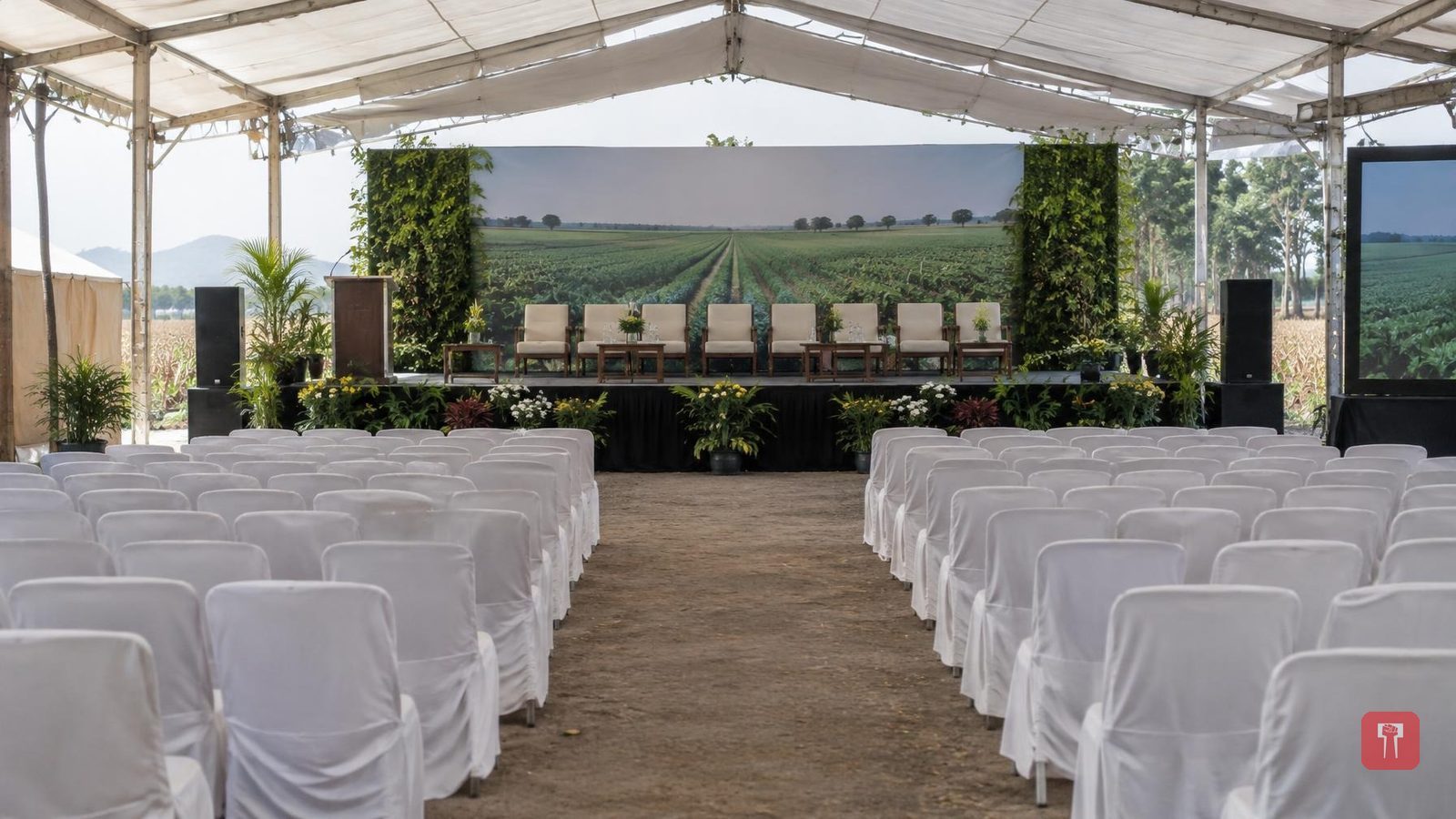
Gadkari was speaking at the inauguration of the Biochar Nirman Parishad organised by the AgroVision Foundation. He said organic carbon is essential for soil health, and biochar is the most effective way to raise it. If biochar is produced on a large scale and used in farming, it could give sustainable agriculture a new direction.
The event was attended by a large number of young farmers, researchers and entrepreneurs from across Maharashtra.
Gadkari said AgroVision has been continuously working to take successful experiments and new technologies to farmers. He said raising organic carbon in the soil can significantly increase agricultural yield.
He also said that increasing production alone will not be enough; if quality and processing capacity are also improved, farmers' incomes will see a big jump. According to Gadkari, it is necessary to demonstrate the economic benefits of modern techniques such as biochar and take them to farmers on a large scale.
Large quantities of crop residue, stubble, straw, husk, dry twigs, coconut shells and other organic waste are generated in farming, and biochar is made from this waste.
Gadkari said today's farmer is aware and is trying new experiments. He said the proper use of modern technology can improve farmers' standard of living while also creating new employment opportunities for rural youth.
AgroVision Foundation president Ravi Boratkar, secretary Dr C.D. Mayee, Dhairyashil Bavaskar, Uday Kumar Mathpati, Usha Barwale and Anand Raut were present on the dais at the event.
Keshav Kranthi, former director of the Central Institute for Cotton Research and currently a member of the International Cotton Advisory Committee, explained simple and low-cost methods of making biochar for sustainable and regenerative farming. He said a very low-cost technique had been developed for small farmers in Africa and Asia using cotton residue and other agricultural waste.
