

FSSAI drafts rules on paneer labelling as Maharashtra's year-long ban stays in force
FSSAI has proposed draft rules restricting use of the name paneer for non-dairy substitutes, months after Maharashtra banned analogue paneer for a year
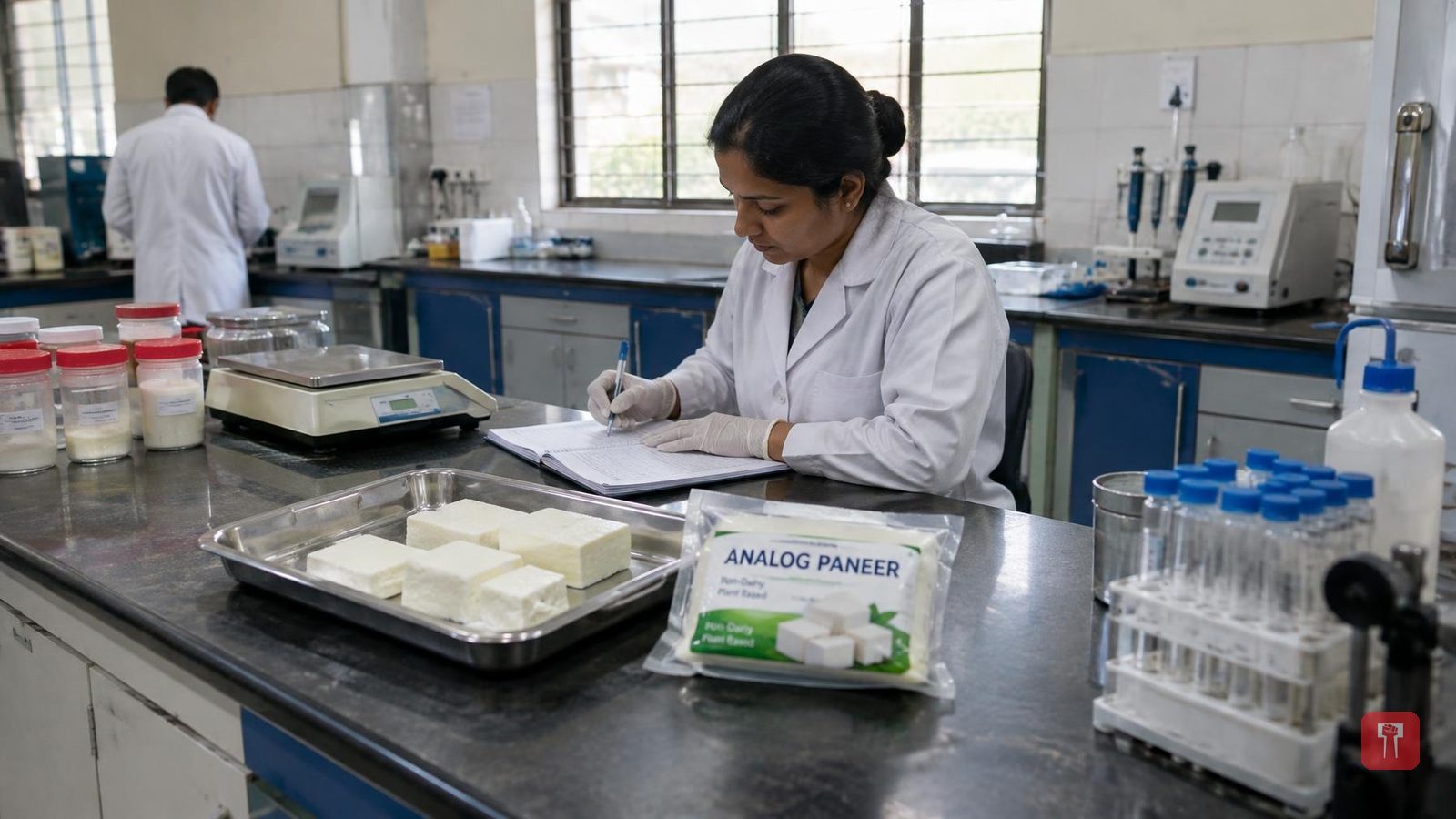
A dispute over the name of paneer, a staple of everyday Indian meals, has broken out nationwide. The Food Safety and Standards Authority of India (FSSAI) issued a Draft Amendment Regulations on September 24, 2026. The draft aims to restrict the sale of products that look like paneer but are not made from milk under the name "paneer". The proposal is currently only a draft and has not become a final rule.
As soon as the draft emerged, a debate broke out on social media over "fake paneer" and "analogue paneer". Many credited the move to action taken under Maharashtra FDA Commissioner Tukaram Mundhe. However, the official documents do not clearly establish any direct cause-and-effect link between the two developments. FSSAI's draft does not mention Maharashtra or Mundhe by name.
Analogue, or non-dairy, paneer is a product that looks like traditional paneer but uses vegetable oil or other non-dairy ingredients in place of milk fat. FSSAI's new draft seeks to make the rules on selling such products as paneer clearer, meaning the issue is not just about a ban but also about preventing consumers from being misled. The draft is currently open for public comments and objections, so it cannot be treated as a binding rule until a final notification is issued.
Even before FSSAI's draft, Maharashtra had already taken strict action against analogue paneer. Maharashtra's Food and Drug Administration, by an order dated July 30, 2026, banned the production, processing, storage, transport, distribution and sale of such paneer for one year. The order was issued under Section 30(2)(a) of the Food Safety and Standards Act, 2006, and it also affected hotels, restaurants, caterers and cloud kitchens, all of which were directed to stop using non-dairy paneer.
Between April 2025 and March 2026, the Maharashtra FDA tested 308 samples of paneer and dairy analogues. Of these, 109 samples, or nearly 35.4 percent, were found not to meet prescribed standards. Of these, 79 samples were classified as sub-standard and 30 as unsafe. Laboratory tests found some samples had Butyro-Refractometer readings and Iodine Values outside prescribed limits, indicating the use of vegetable fat or its substitution for milk fat.
The Maharashtra FDA also flagged another issue: at some hotels and restaurants using non-dairy paneer, no information about this was disclosed on the menu, bill or display, leading customers to believe they were eating genuine milk-based paneer. This meant the issue was not limited to product quality but also extended to labelling and consumers' right to information.
The Maharashtra action took place during the tenure of Food Safety Commissioner Tukaram Mundhe and drew wide attention, prompting social media reactions such as "Maharashtra leads, the country follows". However, FSSAI's official draft contains no direct evidence of this, so the credit remains part of social media discussion rather than a claim made in the official document.
Action against analogue paneer has not been confined to Maharashtra. According to available reports, Chhattisgarh had already restricted the production, storage, transport, distribution and sale of non-standardised dairy analogues for a year from July 30, 2026. Following this, states including Gujarat also took strict measures against such products.
In August 2026, Zomato announced a "zero-tolerance" policy on its platform against dishes containing analogue dairy. Dishes that restaurant partners had disclosed as containing analogue dairy were removed from the platform, and the restaurants concerned were asked to either use natural dairy products or remove those items from their menus.
For now, this much is clear: a year-long ban on the production and sale of analogue paneer is already in force in Maharashtra, while FSSAI has now proposed draft rules at the national level on the use of the name paneer. How the final rule takes shape after comments and objections on the draft will affect producers, food businesses and consumers. Until then, Maharashtra's ban remains in force independently.
