

France records first human infection with Schmondsee virus; patient dies as cattle cases rise in Europe
French health officials have confirmed the death of a patient infected with the Schmondsee virus, long believed to affect only animals, as cases in cattle emerge across Europe.
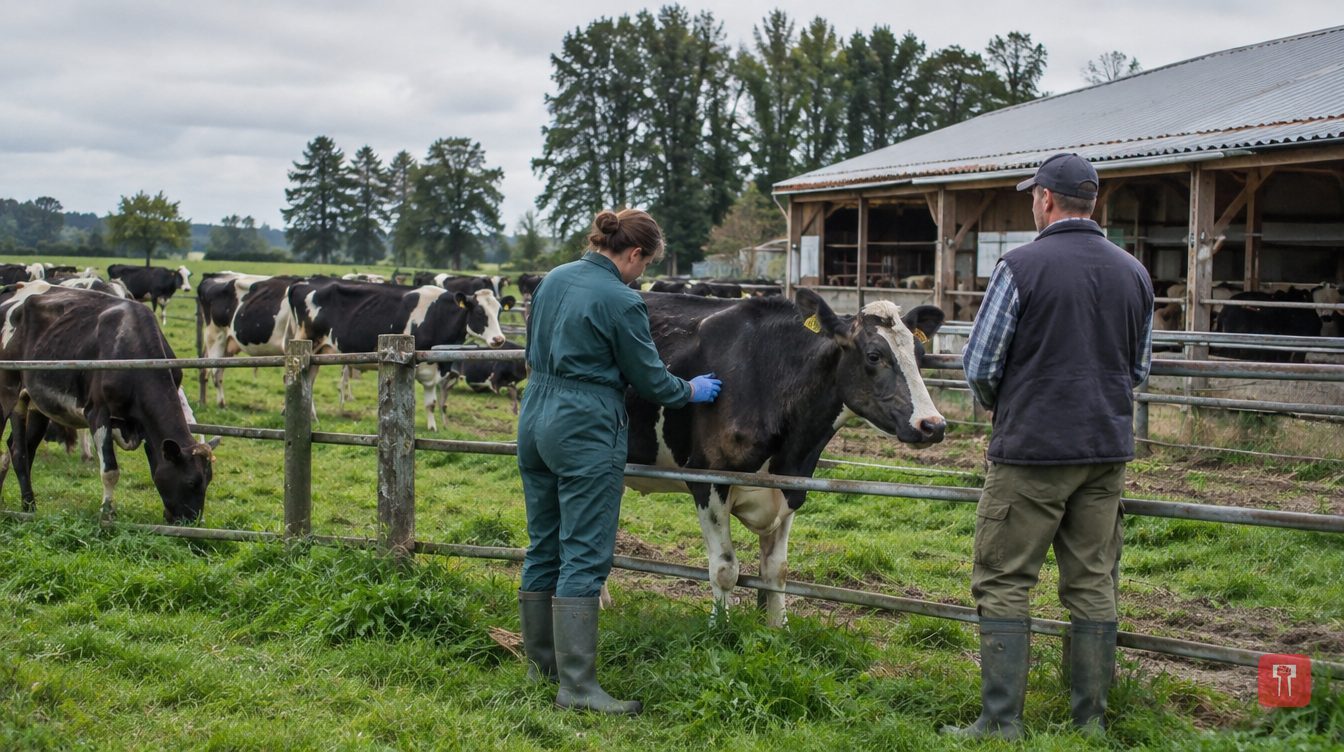 Images are not validated/verified
France has recorded the first human infection with the Schmondsee virus. Until now, the virus was believed to affect only animals and not to infect humans. French health officials have confirmed that the patient infected with the virus has died. The news has caused alarm across Europe, and scientists and the medical community have begun a vigorous discussion on it.
According to the health department's preliminary estimate, the deceased patient may have contracted the infection in eastern France. The reason cited is that the virus had been spreading rapidly among cattle in the same area in spring and summer. Scientists are currently investigating exactly how the virus reached humans and how it spread. According to French health officials, the general public currently faces no major direct risk from the virus, though all precautionary measures are being taken.
The Schmondsee virus mainly passes from one animal to another through small biting insects. Cows, buffaloes and other livestock are hit hardest. The virus was discovered in Nigeria, in Africa, in the mid-1960s. Cases of infection were later recorded in animals on the African continent and in Japan. In the summer of 2026, it has suddenly surfaced in European countries.
The virus appears to be returning not only in France but in other parts of Europe as well. Its presence has been found on the island of Jersey, about 50 kilometres off the French coast, where animals had been showing symptoms of infection since August. Britain's Animal and Plant Health Agency (APHA) has officially confirmed the presence of the virus. No direct case in humans or animals has yet been found in the United Kingdom, but the events in Jersey have put its health system on alert.
In southern Ireland, three cows on two large dairy farms were found to be infected with the virus. A private laboratory had initially suspected it to be the Schmallenberg virus. After detailed testing, it became clear that it was a virus similar to the Schmondsee virus. Ireland's agriculture department is in constant touch with local laboratories and is monitoring the situation closely.
The virus is proving particularly dangerous for pregnant cows. If a pregnant cow is infected, the calf in the womb dies or is born with serious physical deformities. There are fears of heavy financial losses for the dairy industry and farmers. In the Netherlands too, a new Orthobunyavirus was found in cows in the summer, and farmers there are worried.
There is currently no effective vaccine or specific treatment for the virus. Veterinarians have advised farmers to contact a local doctor immediately if they notice any unusual symptoms or illness in their cattle or livestock.

Comments
No comments yet. Be the first.