

Food at Mumbai hotels and restaurants likely to cost 10-15% more, AHAR signals
Prices at Mumbai's hotels and restaurants may rise 10 to 15 per cent within one to two weeks, the Indian Hotel and Restaurant Association has indicated.
 Images are not validated/verified
Household budgets are already strained by inflation, and Mumbaikars may now face another burden. Prices of food and drink at hotels and restaurants in Mumbai are likely to rise by 10 to 15 per cent over the next one to two weeks.
The Indian Hotel and Restaurant Association, known as AHAR, has signalled a price increase. The reason is that vegetables, grains, pulses, cooking oil, spices and commercial gas have become costlier, sharply raising operators' costs.
According to information given by the association's president, Vijay Shetty, rising costs have made it necessary to raise prices. New prices are likely to be introduced gradually on menu cards from next week. AHAR is said to have more than 25,000 hotels, restaurants and bars in Mumbai and nearby areas. However, prices will not necessarily rise at all establishments together or by the same amount. Each operator can take the final decision according to their own costs.
Operators say the prices of everyday essentials have been climbing steadily for the past few months. Higher prices of vegetables, rice, wheat, various pulses, cooking oil and spices are directly affecting their daily expenses. Drought-like conditions in Maharashtra are also said to be affecting the supply of farm produce from some areas. As a result, the cost of raw material for cooking has gone up.
Apart from raw material, operators are also having to spend more on commercial LPG cylinders, staff salaries, shop rent, electricity bills and transport. For this reason, it is becoming difficult for them to maintain current prices.
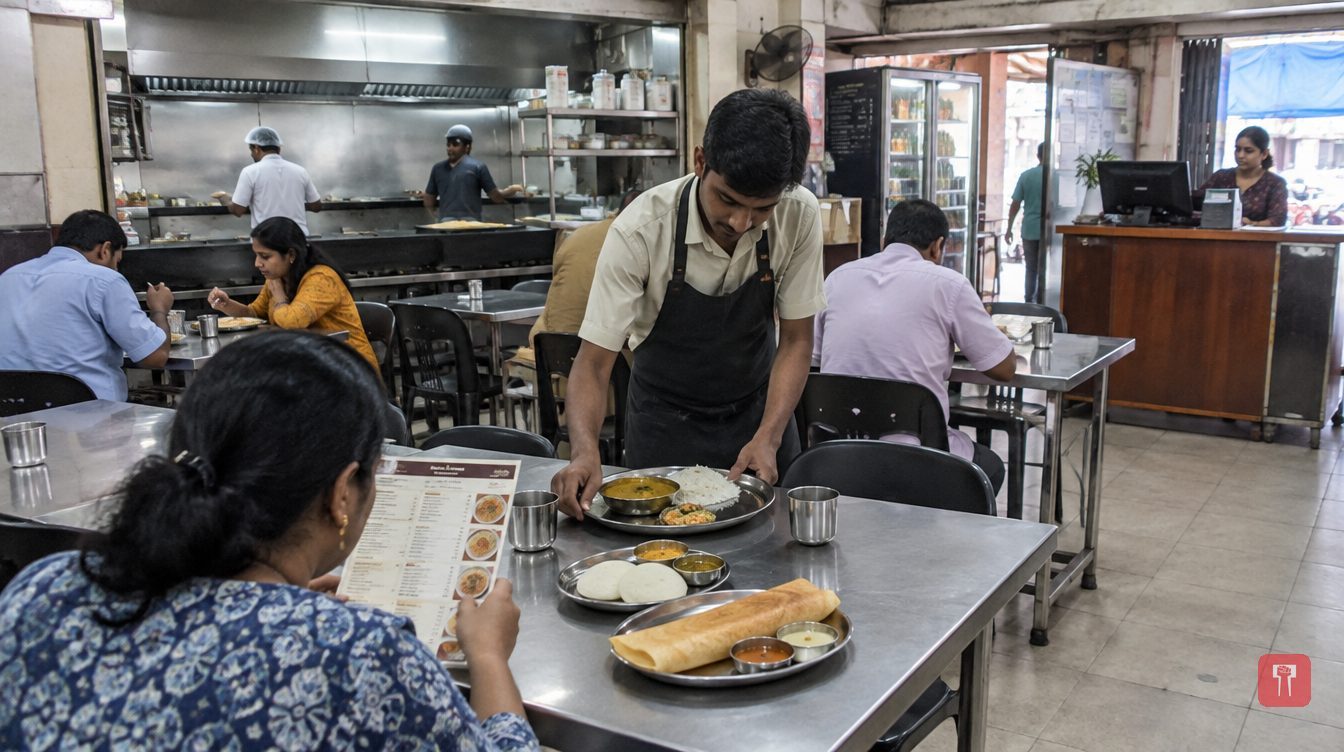
The increase may be felt from small snack outlets to large restaurants. Morning tea, poha, upma, idli, dosa and the various lunch and dinner items are likely to become costlier. Idli, dosa, dal-rice and thali in particular may go up by about Rs 10 to Rs 20, it is estimated. But the actual increase will depend on each establishment's current prices and costs.
Those who eat out every day will be hit hardest: salaried workers, college students, labourers and ordinary families. Lakhs of people in Mumbai commute daily for study, jobs and work, and many of them eat lunch or dinner at hotels. For example, if a person spends Rs 150 a day on food, a 15 per cent rise would make it Rs 172.50. The 30-day food bill could then go from Rs 4,500 to Rs 5,175, meaning one person may pay about Rs 675 more a month. This is only an arithmetical illustration, not actual menu prices or an approved rate card. People who depend on online food delivery may also have to bear the higher prices.
Many families eat out during the festival season. If prices rise around Diwali, spending on family meals, parties with friends and food ordered in may go up. Groceries, vegetables and other essentials are already expensive, and the likely rise in restaurant prices is feared to add to the pressure on ordinary people.
