

Five plants believed to bring ancestors' blessings before Sarvapitri Amavasya
Tulsi, peepal, banana, banyan and bael are considered auspicious to plant or donate in Pitru Paksha, which ends on October 10.
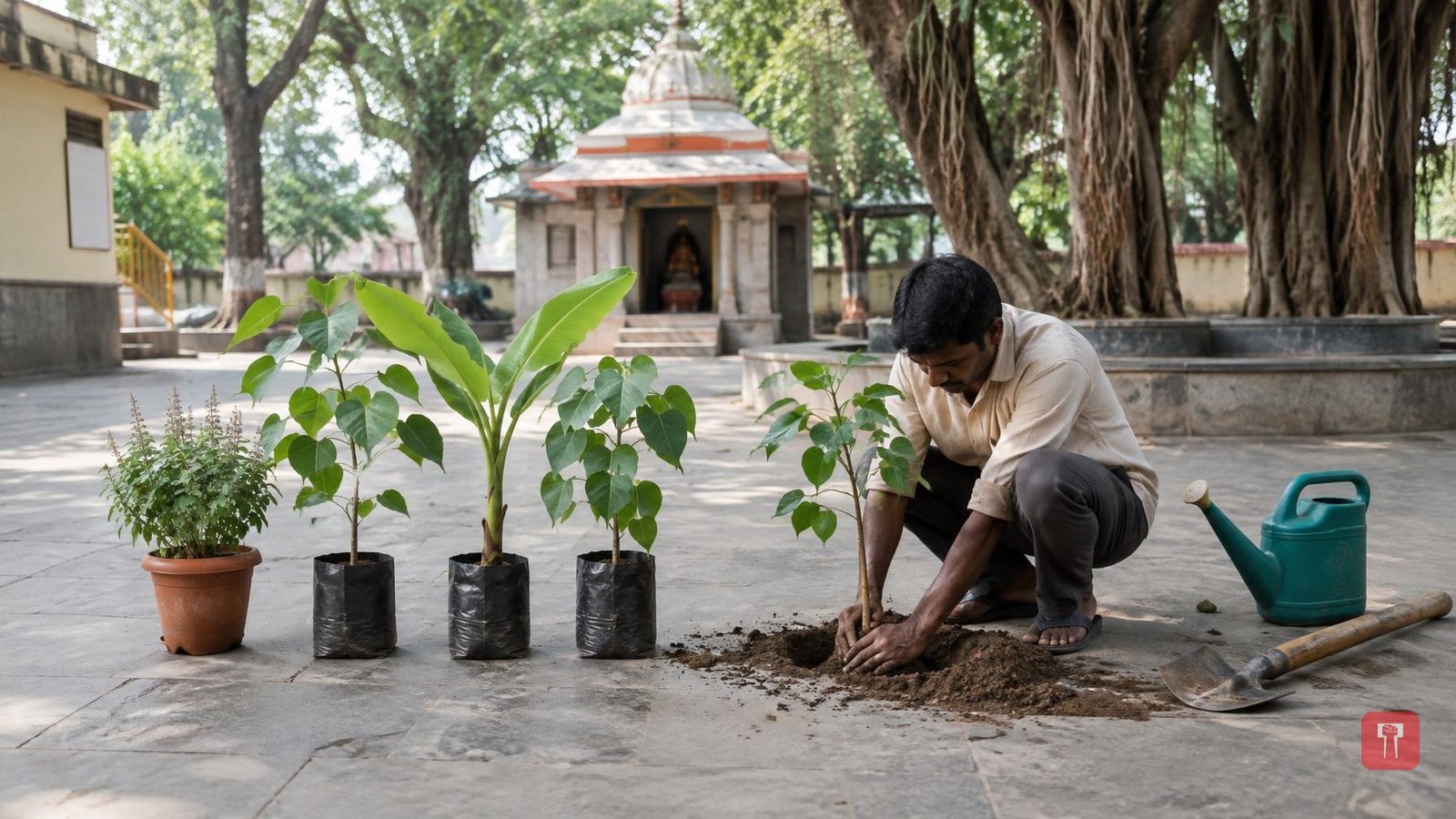
Pitru Paksha is under way and will end on October 10, Sarvapitri Amavasya. Every year, as it begins, people remember their ancestors. Rituals such as tarpan (offering to Brahmins), tarpan (offering of food) and pind daan (offering of rice balls) are performed during this period. It is believed that these please the ancestors and remove many sins, including those linked to ancestry.
According to religious belief, trees and plants are linked to nature and divinity. Planting or donating certain plants in Pitru Paksha is therefore considered auspicious. It is said that planting any one of them at home, in a temple or at another suitable place before Sarvapitri Amavasya brings the ancestors' blessings and peace and happiness in the family. Where planting is not possible, there is a tradition of donating the plant.
The first is the tulsi. The plant holds special importance in Hinduism. It is believed that planting tulsi at home in Pitru Paksha and worshipping it every morning and evening pleases the gods and ancestors. Offering tulsi leaves during Shraddha is said to please the ancestors and absolve their sins. Those who cannot plant tulsi at home should donate it in the ancestors' names.
The second is the peepal. According to the scriptures, the peepal tree is the abode of gods and ancestors. Planting and tending it in Pitru Paksha is therefore said to please the ancestors quickly. It is said to help reduce the ancestors' sins, and their blessings are believed to remove all obstacles. If it cannot be planted at home, it should at least be donated.
The third is the banana. The banana tree is considered dear to Lord Vishnu and Goddess Lakshmi. According to religious belief, planting a banana tree in Pitru Paksha is extremely auspicious. It is believed to please the ancestors and end troubles the family is facing. If it cannot be planted at home, this sacred tree can be donated in the ancestors' names to a temple or to another person.
The fourth is the banyan. The banyan is regarded as a tree that grants long life and moksha. It is believed that planting a banyan at home in Pitru Paksha frees one from pitru dosh. According to religious belief, it is the abode of both gods and ancestors. Offering water and lighting a lamp under this sacred tree is said to bring peace and liberation to dissatisfied ancestors. If it cannot be planted at home, it can be donated before Sarvapitri Amavasya.
The fifth is the bael. According to the Shiva Purana, bael is a tree dear to Lord Shiva. Planting it at home in Pitru Paksha is said to bring peace to restless souls and remove the ancestors' sins. According to religious belief, offering bael leaves and Ganga water to Lord Shiva on Amavasya frees all ancestors and spares them bad dreams. If a tree cannot be planted at home, a bael tree should be donated in the ancestors' names on Amavasya or before it.
