

EWS certificate flaws: High Court asks Maharashtra for candidate's full file
Bombay High Court's Nagpur bench has questioned how EWS certificates are issued and sought a candidate's complete record by the next hearing
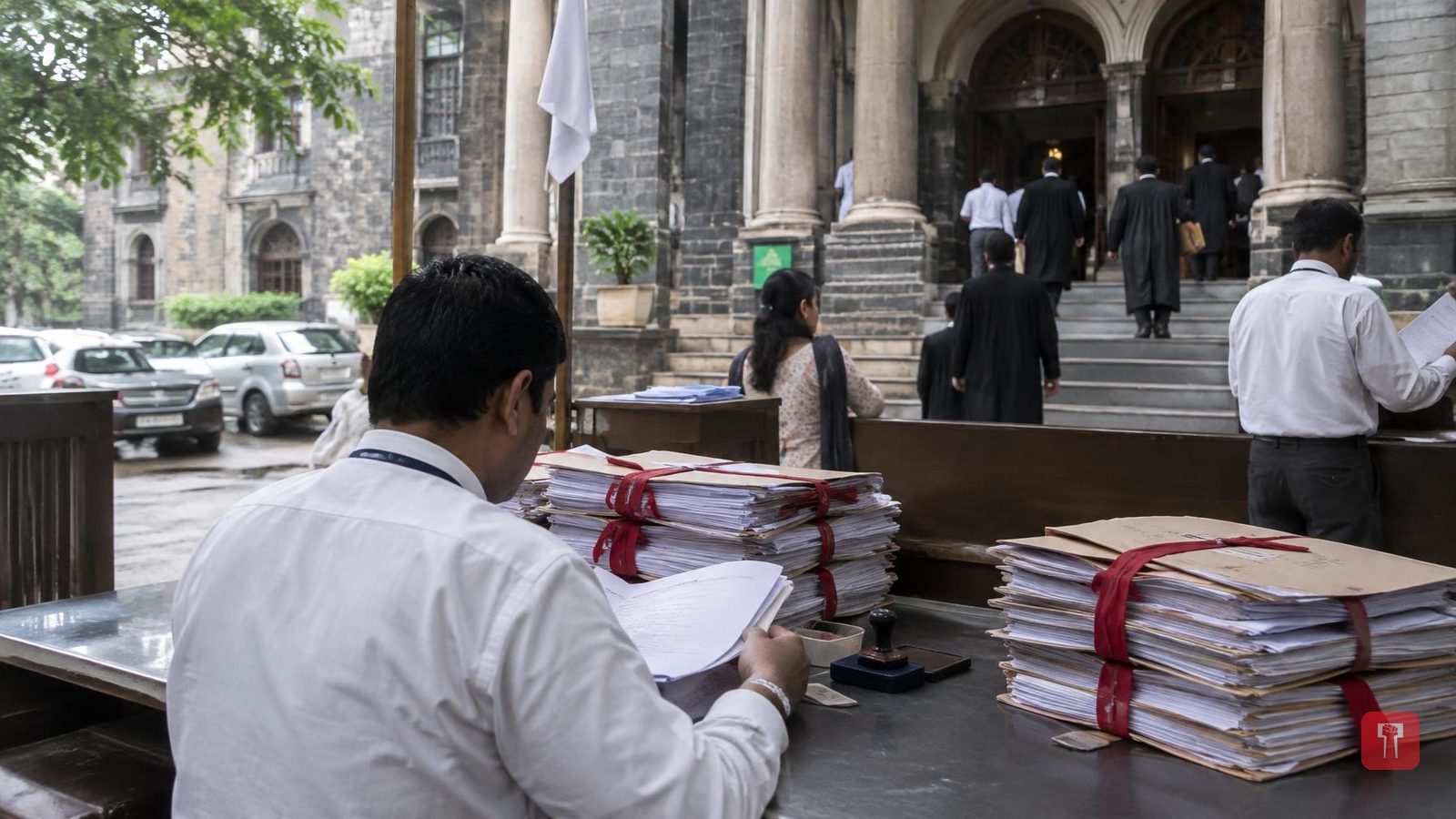
The Nagpur bench of the Bombay High Court has raised questions over the process of issuing Economically Weaker Section, or EWS, certificates. The court has directed the state government to produce the complete family record of EWS candidates by the next hearing.
The case stems from a public interest litigation filed by advocate Sandeep Badana. Badana had asked the High Court that EWS certificates should not be limited to a QR code, photo and a standard format, but should instead be linked online to Income Tax Department and Mahabhulekh records, so that an applicant's and their family's income and property details can be checked in real time.
The petitioner has said that a QR code on the certificate helps prevent forgery of the document, but it does not by itself prove that the information recorded in it is correct. If the family's total income or property details are incomplete or wrongly entered, verifying the certificate through the QR code serves no purpose. He has therefore argued that before issuing a certificate, the family's income and property details must be matched against digital records.
Maharashtra's Revenue and Forest Department issued a circular on April 20, 2026 implementing a uniform format with a QR code and photo for EWS certificates across the state. The petitioner welcomed the step, saying it could help prevent physical forgery and tampering of certificates. But he said the real question is whether the family's income and property details entered in the certificate are actually correct. The petition states that the current process relies largely on the information the applicant furnishes and on the applicant's own self-declaration.
During the hearing, the state government cited a three-year income certificate before the Nagpur bench of the Bombay High Court. The court asked how this income certificate alone could show that the family's total income was below the prescribed limit of 8 lakh rupees, especially when there was no mandatory information and declaration of the income of the spouse or other earning members of the family. The court asked how the actual family income would be calculated without such details. In view of this, the court directed the state government to produce the entire file relating to the candidate's application before the next hearing, so that the complete record of scrutiny carried out before issuing the certificate can be placed before the court.
