

European countries move to release strategic diesel reserves to ease prices
European countries are preparing to put a large volume of diesel from emergency stocks on the market, which could ease pressure on prices.
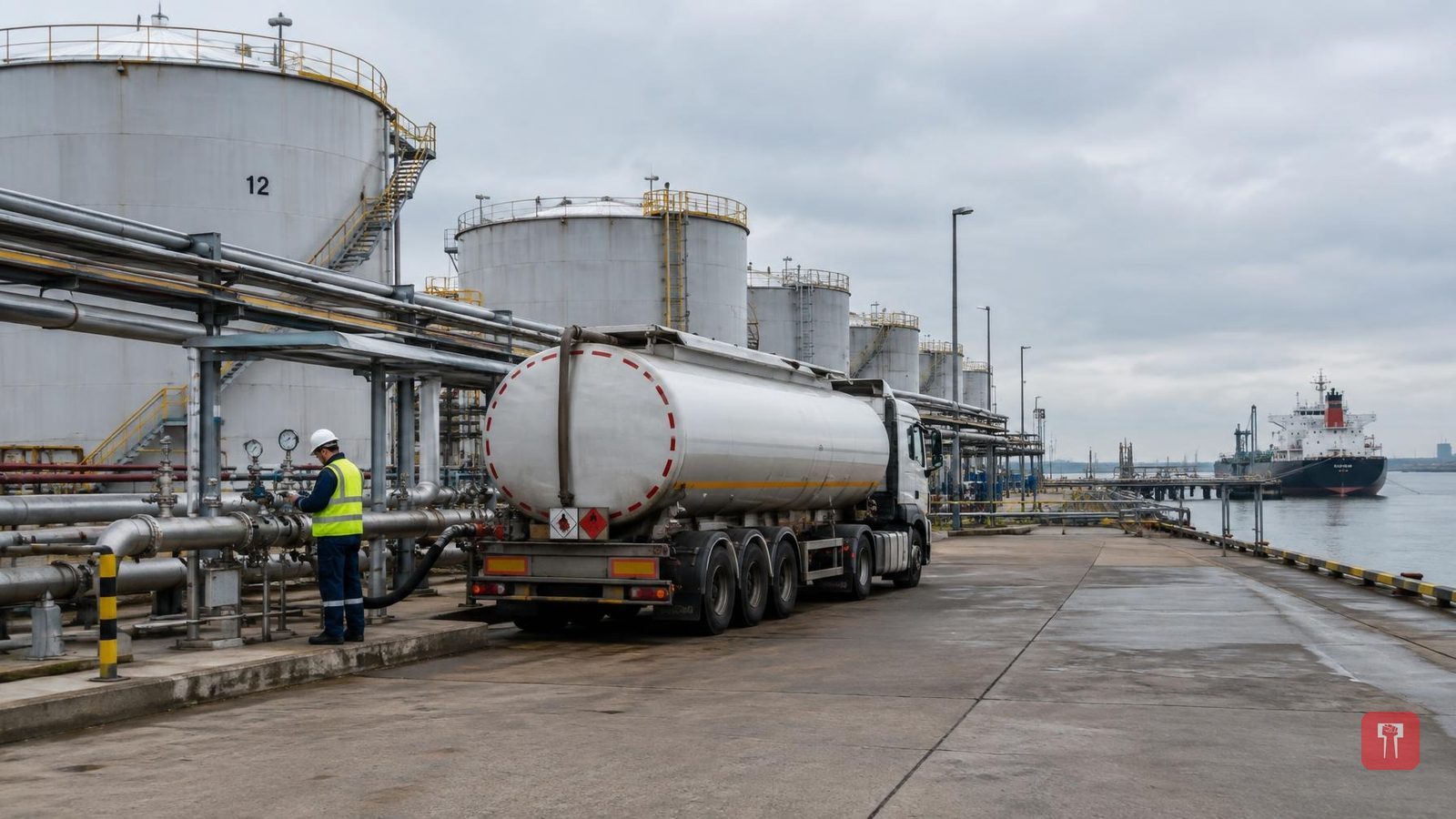
Amid the pressure created by rising diesel prices in Europe, preparations have begun for a major decision. European countries have moved towards releasing a large quantity of diesel held in their strategic reserves onto the market. This could increase fuel supply and ease pressure on diesel prices.
European countries hold large reserves of fuel for emergencies. In view of the continuing tension in the global energy market, a proposal has come up to release part of these reserves. The discussion involves Europe releasing about 50 million barrels of diesel. Alongside this, a plan for members of the International Energy Agency to make available a further 50 million barrels of crude oil is also being discussed.
If diesel supply increases, European refineries, the transport sector and industries could get some relief. Notably, the effect of the decision will not be confined to Europe, and the global fuel market is also likely to be affected.
Diesel supply in world markets has fallen in recent times, pushing prices up. The conflict in the Middle East, disruptions in the Strait of Hormuz, attacks on Russian refineries and restrictions on fuel exports by some countries have all added to the pressure on the market.
If large volumes of diesel arrive from Europe, wholesale prices could come down. In time, this could also affect prices at petrol pumps. However, how much prices fall will depend on how quickly the reserves are released and on the state of supply worldwide.
The decision is being seen as an important step for the global energy market. Releasing strategic reserves will raise supply for some time and could help check the rise in fuel prices.
If Europe releases diesel from its reserves, the pressure on fuel supply in the United States and other countries could also ease somewhat. Even so, the reserves are kept for emergencies. How much to hold back to deal with future supply crises will therefore remain an important question for European countries.
