

El Nino heat may cause over 450,000 excess deaths worldwide: projection
A weather projection estimates over 450,000 additional heat-related deaths worldwide as the powerful El Nino pattern drives up temperatures.
The powerful El Nino weather pattern, being called the "Godzilla El Nino", is likely to cause a sharp rise in temperatures worldwide, with a direct impact on people's health. A projection estimates around 4,51,000 additional heat-related deaths between June 2026 and February 2027. This figure is not certain but a possible projection based on weather forecasts.
Because of this El Nino, the number of the hottest days worldwide could rise by about 44 percent compared to normal years. This rise in temperature is especially worrying for regions that are already hot and already affected by climate change. Prolonged high temperatures raise the risk of heat stroke, heart disease and respiratory problems. The elderly, young children and workers who labour outdoors could be affected the most.
According to the projection, the impact of the heat is likely to be most visible in Africa's Sahel region, Southeast Asia, India and Brazil. Nigeria, Indonesia and Sudan could also see a large number of additional heat-related deaths.
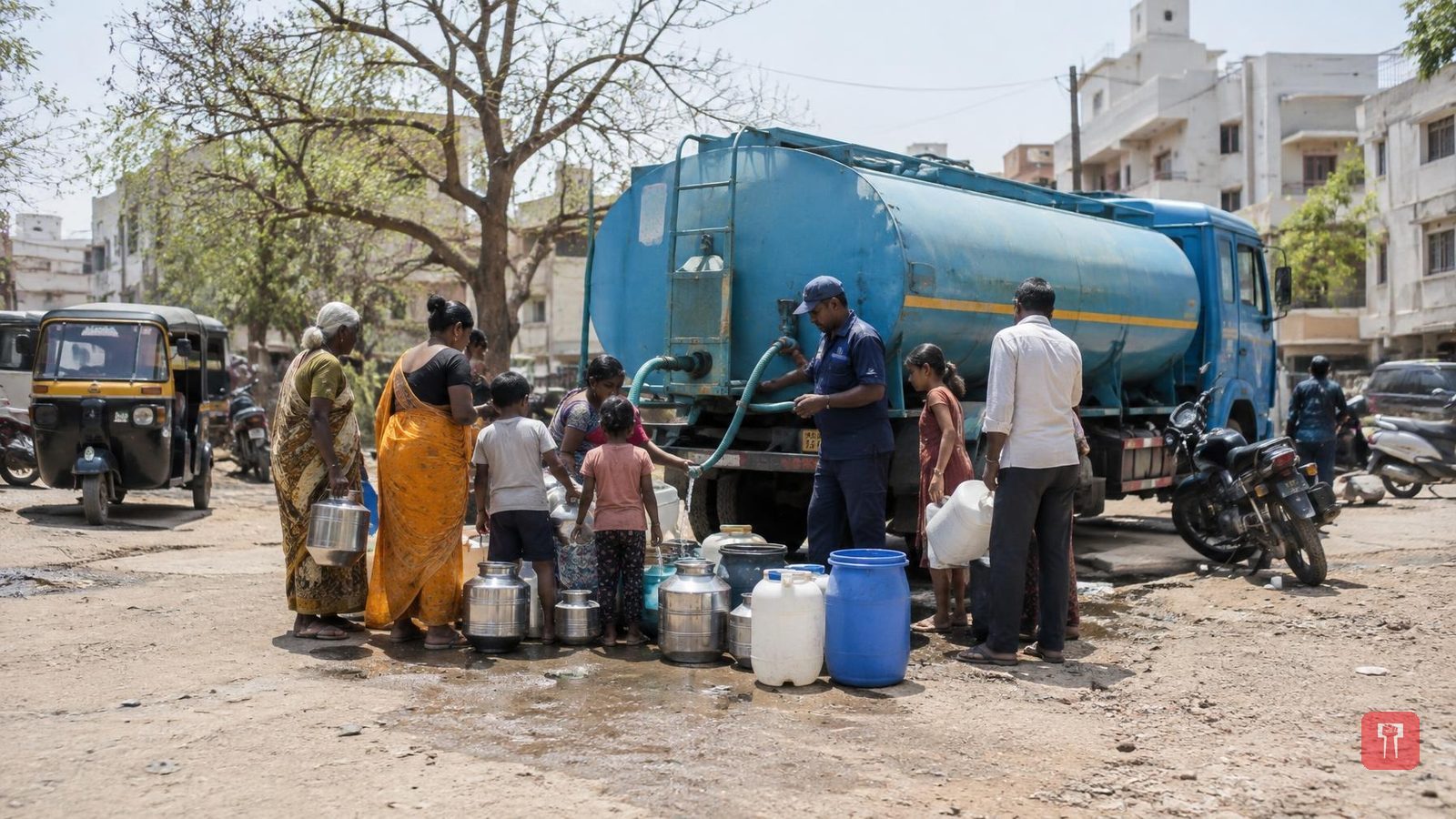
This means public health systems, water supply and emergency services could face major challenges in the coming months as they work to protect people from the heat. Meanwhile, weather experts have said El Nino's effects are also likely to affect global temperature levels.
The impact of the "Godzilla El Nino" will not be limited to rising temperatures alone; it could also become a major public health challenge. Prolonged intense heat raises the risk of dehydration, heat stroke, and blood pressure and heart-related problems.
The elderly, young children, pregnant women and workers who labour in the sun will need to take particular care. Rising temperatures could also put pressure on hospitals. Authorities are being urged to strengthen water supply, health facilities and public awareness measures ahead of a possible heatwave.
