

Early breast cancer can return even after treatment ends, so follow-up checks matter, says oncologist
Completing treatment does not end the risk of recurrence, which can persist for years, so women should keep up follow-up care, says Dr Chetna Bakshi of Jupiter Hospital, Thane.
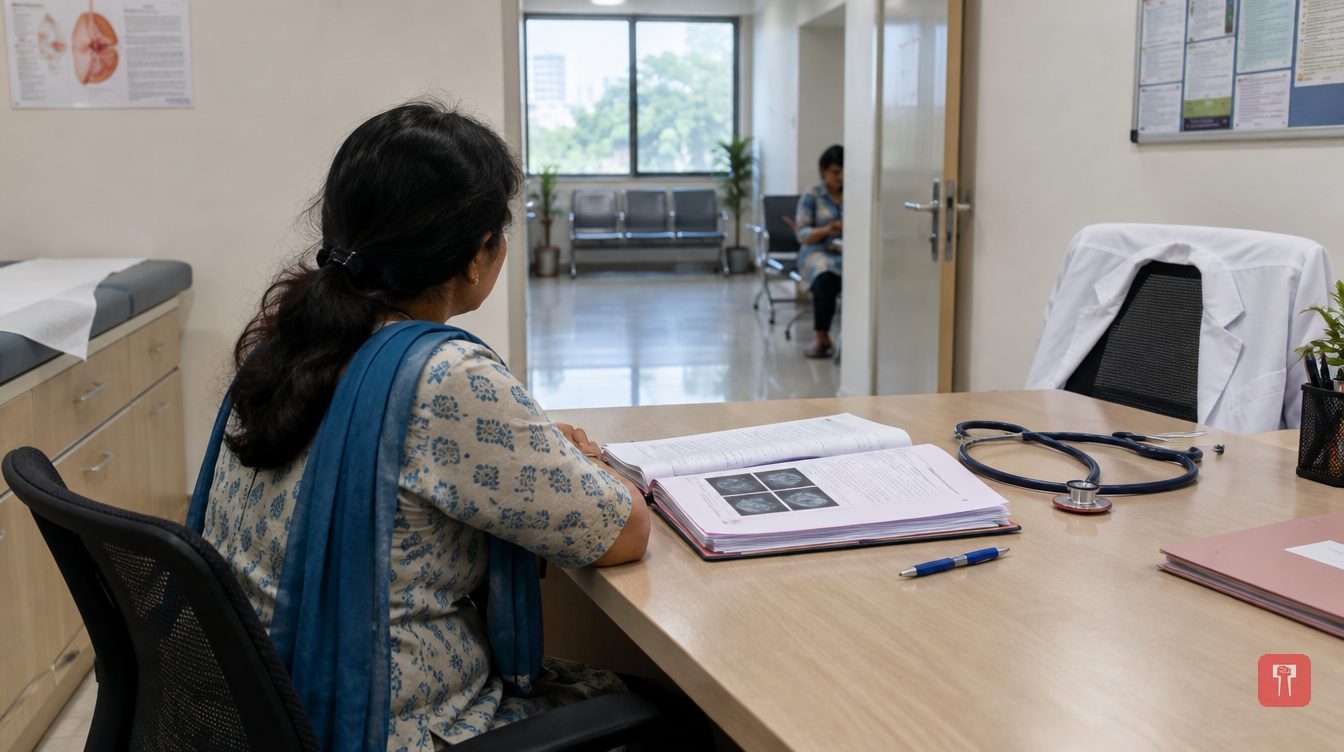 Images are not validated/verified
Consider a woman who has completed treatment for early breast cancer. She has had surgery, finished the treatment her doctor prescribed, and her follow-up reports are reassuring. Gradually she returns to everyday life, makes new plans and begins to think ahead. Yet one question lingers: does the end of treatment mean the cancer can never come back? For many women, this is the most important part of the conversation after an early breast cancer diagnosis. Finishing treatment is a major milestone, but the risk of the cancer returning can sometimes persist for years.
Dr Chetna Bakshi, senior consultant medical oncologist at Jupiter Hospital, Thane, said: "Managing early breast cancer is not only about treating the disease. It also focuses on reducing the chance of the disease returning over time. Every patient's situation is different, so treatment should be chosen on the basis of the cancer subtype, each person's risk of recurrence and the likely benefits of the different therapies. Continuing advances in breast cancer treatment are making more personalised approaches to care possible. It is also important to manage quality of life, from dealing with treatment-related side effects to helping women maintain their daily routine. A comprehensive approach that balances the patient's overall health with long-term control of the disease can help bring better outcomes during and after treatment."
First, the end of treatment does not mean the end of risk. Surgery, radiation and systemic treatment each play a different role in the care of early breast cancer. Depending on the diagnosis, the aim of treatment may be to remove the tumour, destroy cancer cells that may remain in the body and lower the chance of the disease returning. Even so, the disease can sometimes come back after successful initial treatment. The cancer may develop in the breast, in surrounding tissue or in other parts of the body. The risk varies considerably from person to person and depends on many factors. Research has found that in certain groups of patients the risk of recurrence is as high as 50 per cent. This estimate does not apply equally to all women with early breast cancer. So rather than assuming that recurrence is unlikely because the diagnosis came at an early stage, patients should understand their own individual risk.
Second, the risk can continue beyond the first few years. Many people associate a return of cancer with the early period after treatment ends, but cancer can come back several years later. This applies especially to some types of hormone receptor-positive breast cancer, where the risk can last a long time. For this reason, doctors may advise advanced therapy after surgery even when the visible tumour has been removed. Depending on the diagnosis, this may include endocrine therapy, chemotherapy, targeted therapy or a combination of treatments.
Third, the risk of recurrence differs for everyone. Breast cancer is not a single uniform disease. Its biological characteristics can influence how the cancer grows and how it responds to treatment. Two different women diagnosed at the same stage may therefore be recommended different treatments. Understanding factors such as tumour size and grade and lymph node involvement can help women see why a particular treatment has been suggested. This can make the discussion of potential benefits, side effects and available options more meaningful.
Fourth, quality of life is also part of the treatment discussion. Reducing the risk of recurrence is important, but treatment also affects daily life. Fatigue, joint pain, sleep problems, nausea and mental stress can affect work, relationships and family responsibilities. Some women may also have to live with long-lasting side effects. Women should not feel that they must simply put up with these challenges. Depending on their needs, their healthcare team may recommend supportive care, medicines, dietary advice, physical activity or counselling. Advances in breast cancer care have widened the options for eligible patients, including targeted therapy and extended adjuvant treatment strategies. These can help lower the risk of recurrence in the right groups of patients. Even so, any decision should take into account the evidence-based benefits, the possible side effects and the patient's quality of life.
Fifth, follow-up care is necessary even when you feel well. Feeling healthy is encouraging, but it cannot replace the follow-up care the doctor has advised. Regular check-ups help the doctor monitor recovery, manage treatment side effects and investigate any new problems. A follow-up plan may include a clinical examination and appropriate breast imaging. Women should tell their doctor about any new or persistent symptom, and should not wait until the next appointment on the assumption that it is only a side effect of treatment. Such symptoms do not mean the cancer has returned, but a medical examination can help decide whether further tests are needed.
Finally, the conversation should continue after diagnosis and treatment. Completing treatment is a major milestone and women should certainly celebrate it. Understanding the risk of recurrence, following the right care plan and speaking openly about problems affecting quality of life can help them make informed decisions in the years ahead. The aim is not to live in fear of the cancer returning, but to move forward with greater clarity about long-term health.

Comments
No comments yet. Be the first.