

Drought declared in 265 talukas across 32 Maharashtra districts, relief for farmers
Maharashtra has declared drought in 265 talukas across 32 districts for the 2026 kharif season, with revenue and loan relief for farmers.
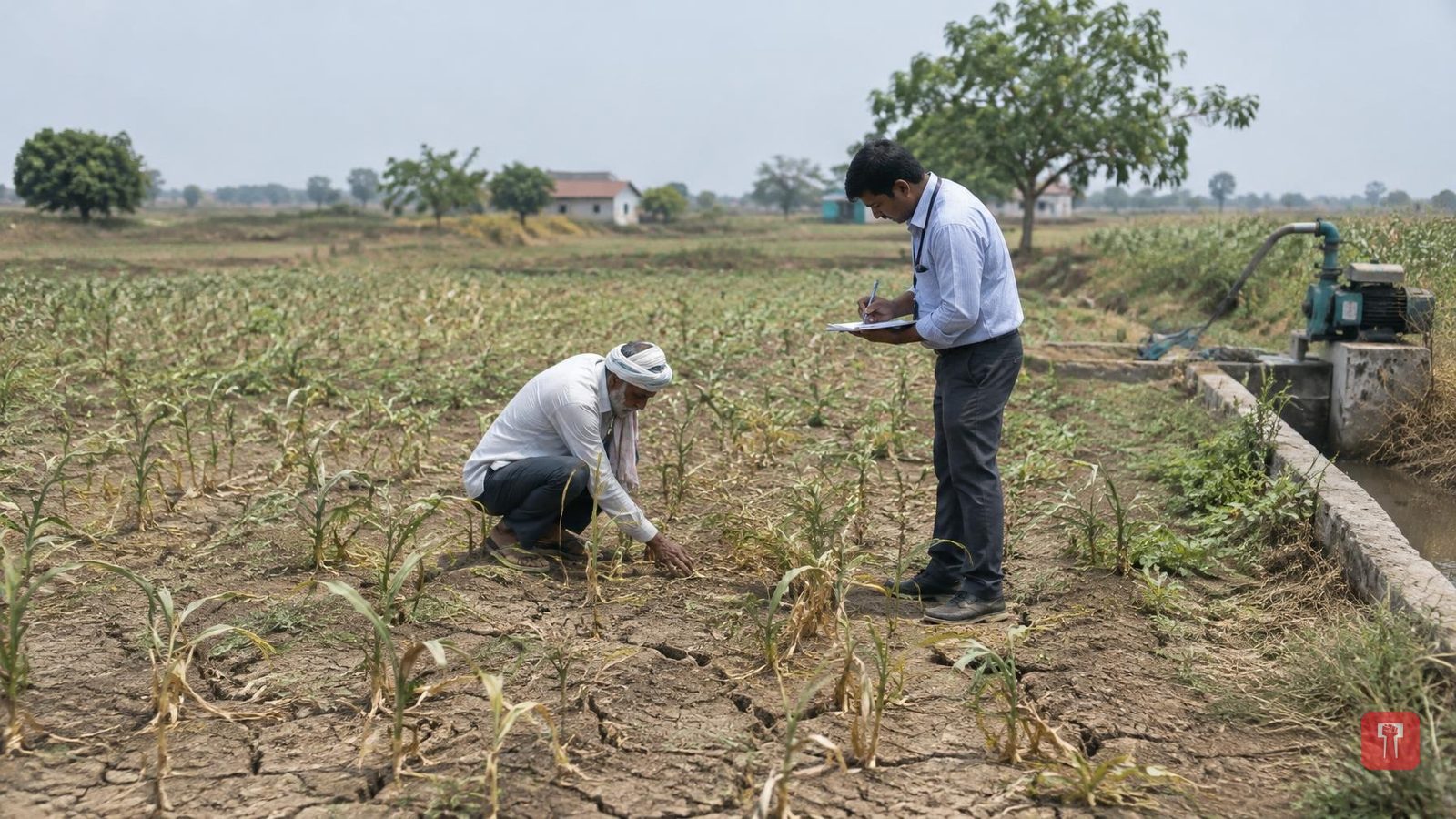
The Maharashtra government has declared Trigger-1 drought in 265 talukas across 32 districts of the state, citing a rainfall deficit in the 2026 kharif season. The Relief and Rehabilitation Department issued a formal government order to this effect on September 25, 2026. The decision was taken on the basis of a report from the Agriculture Commissioner. All district collectors have been directed to immediately carry out panchanama surveys of crop damage.
The talukas declared drought-hit include 3 in Ratnagiri, 8 in Sindhudurg, 1 in Raigad, 10 in Nashik, 4 in Dhule and 15 in Jalgaon. Also on the list are 6 talukas in Nandurbar, 14 in Ahilyanagar, 8 in Pune, 11 in Solapur and 4 in Sangli.
Six talukas in Satara, 6 in Kolhapur, 9 in Chhatrapati Sambhajinagar, 8 in Jalna, 11 in Beed, 10 in Latur, 8 in Dharashiv, 14 in Nanded, 9 in Parbhani and 5 in Hingoli have also been declared drought-affected. Buldhana has 13 such talukas, Amravati 14, Akola 7 and Washim 6. Sixteen talukas in Yavatmal, 7 in Wardha, 14 in Nagpur, 3 in Bhandara, 1 in Gondia, 12 in Chandrapur and 2 in Gadchiroli are also among the talukas declared drought-hit.
To provide relief to farmers in the drought-affected areas, the state government has put in place several concessions and measures. These include exemption from land revenue, restructuring of crop loans, a stay on recovery of loans linked to agriculture, and a waiver on the existing electricity bills of farm pumps with a capacity of more than 7.5 horsepower. Clear instructions have been issued not to disconnect electricity connections to farm pumps in villages facing water shortages.
Examination fees for school and college students have also been waived. Under the Employment Guarantee Scheme (Rohyo), work norms will be relaxed to start as many works as possible, water will be supplied by tanker where needed, grain shortages will be prevented for farmers and farm labourers, fodder will be arranged for animals, and water conservation works will be completed on a priority basis. Direct assistance for crop losses to farmers in all the concerned talukas will be announced through a separate government order once the prescribed process is completed.
