

Diwali sweets and snacks can cause food poisoning; hygiene and storage tips to avoid it
 Images are not validated/verified
Stale, adulterated or long-exposed food can turn Diwali into a round of hospital visits, but simple care in storing, cleaning and eating can prevent it.
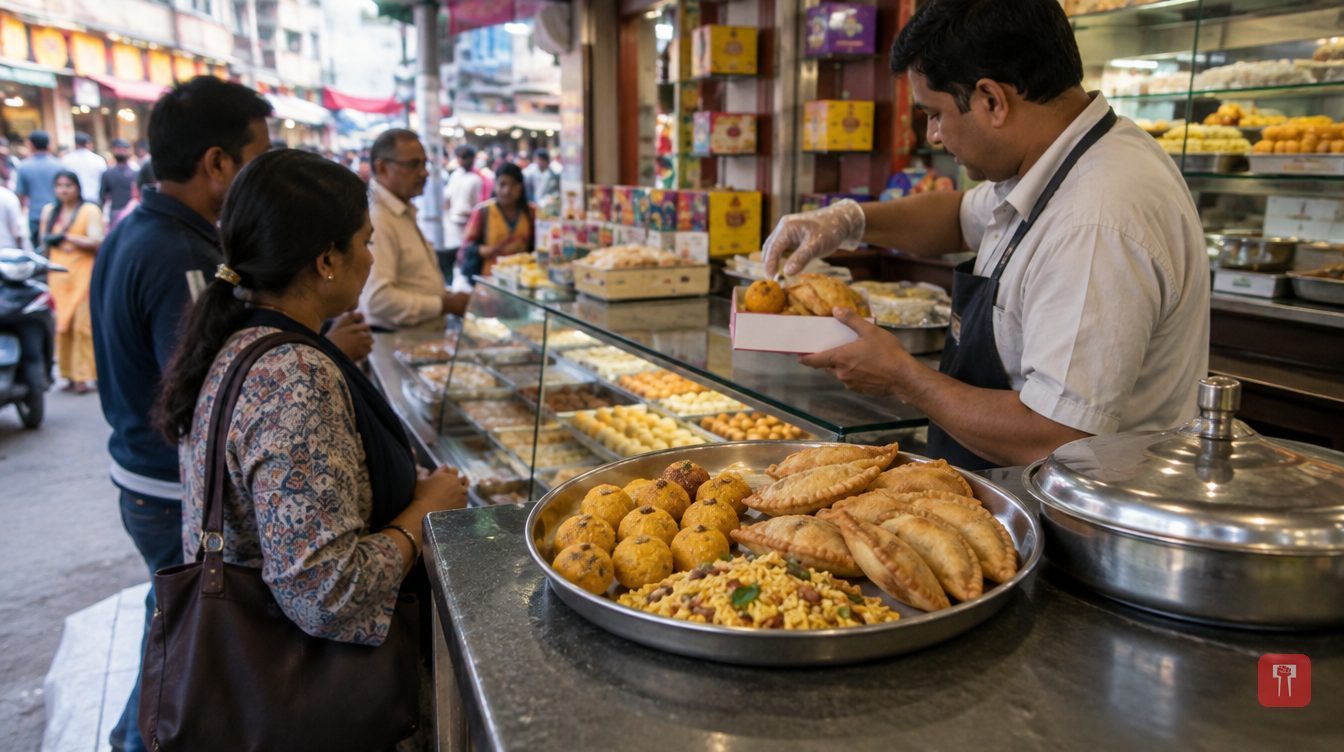
As Diwali arrives, homes fill with the aroma of sweets, plates are laden with mithai and snack boxes are full. Markets are crowded too. Sweets, chivda, laddoos and gujiya tempt everyone. In the festive rush, however, people forget to take care over what they eat and drink, and a small lapse can upset the stomach.
Stale food from outside, adulterated sweets and items left uncovered for a long time can cause food poisoning. Diwali then ends up being spent going to hospitals instead of in joy. Caution while eating is therefore advised.
On the causes, demand for sweets and snacks rises sharply during Diwali. Shopkeepers prepare goods in a hurry and some items are not stored properly. Food left out for long, dirty water, adulterated sweets and stale food are among the causes. Some mistakes are made at home too, such as not washing hands before eating, keeping raw and cooked food together and using unclean utensils. These can also spoil food.
On the signs of an upset stomach, the first symptom is pain in the stomach. Cramps, nausea and vomiting follow. There may be repeated loose motions, fever, headache and severe weakness. Vomiting and diarrhoea cause loss of water in the body, known as dehydration. The mouth goes dry and there is dizziness. Such symptoms should not be ignored.
On storing food, the advice is that cooked food should not be kept out for more than two hours. If it is very hot outside and the temperature is above 32 degrees, it should be refrigerated within an hour. Leftover food should be covered and refrigerated, and heated thoroughly before it is eaten again. If the smell or taste of food seems changed, do not eat it at all; throw it away. Raw and cooked food should never be kept together and should be stored separately.
On hygiene, it is said to cut half the trouble. Wash hands with soap before cooking and eating. Wash fruit and vegetables in clean water before use. Utensils, knives and cutting boards should be clean. Use separate boards for cutting raw meat and vegetables, and always take clean drinking water. When eating out, first check whether the shop is clean. Sweets kept uncovered and food on which flies are sitting should be avoided.
If food poisoning occurs, the advice is not to panic. Drink plenty of water and take ORS to make up for the loss of fluid. Eat light, easily digestible food, avoid oily and spicy food, and rest fully. Do not take any tablet without asking a doctor. However, if vomiting is continuous, there is blood in the stool, the fever is high or urine output is low, see a doctor without delay.
Diwali is a festival of eating and celebration, but its real enjoyment comes only when one looks after one's stomach. In short, enjoy the sweets, but eat with care.
Reach readers on the ward they actually live in.
Advertise with Prime Time 24Reach readers on the ward they actually live in.
Advertise with Prime Time 24Reach readers on the ward they actually live in.
Advertise with Prime Time 24Reach readers on the ward they actually live in.
Advertise with Prime Time 24
Comments
No comments yet. Be the first.