

Cardiologist lists steps for people over 60 to lower cardiac arrest risk
Regular check-ups, medication on time and daily light activity can help keep the heart healthy in old age, says a Mumbai cardiologist.
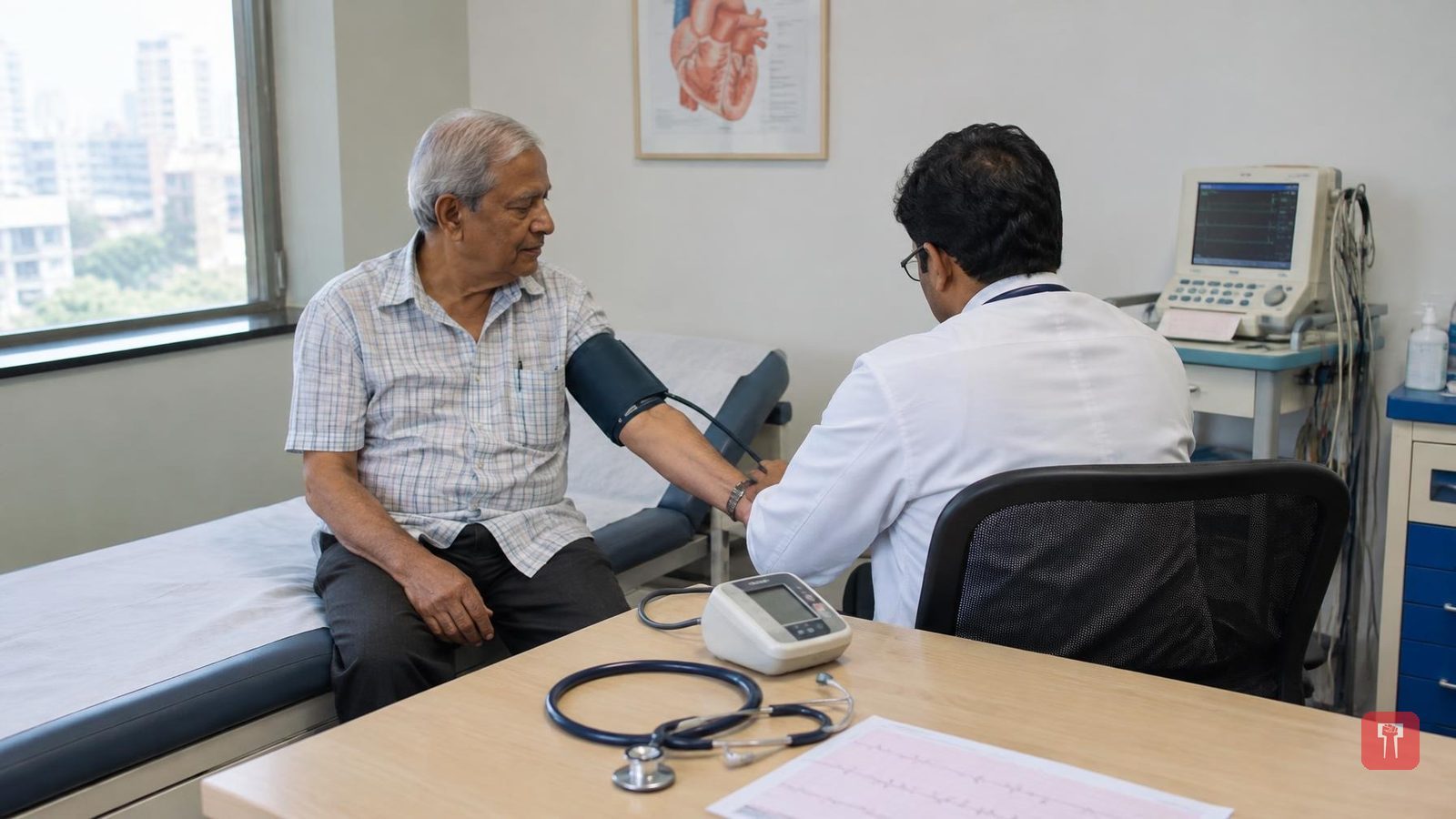 Images are not validated/verified
Heart problems are rising among the elderly across the country. To reduce the risk of sudden cardiac arrest after the age of 60, a few essential precautions have been advised. Dr Shankar Machigar, a cardiologist at Apollo Spectra Hospital in Mumbai, has explained the steps in detail. According to experts, regular check-ups and a healthy lifestyle can help keep the heart healthy.
The risk of cardiac arrest or heart attack can rise with age. People above 60 therefore need periodic heart check-ups and a healthy lifestyle. Age alone is not the cause of heart disease. High blood pressure, raised cholesterol, diabetes and lack of exercise are also factors. Ignoring symptoms such as chest pain or breathing difficulty can also endanger the heart. Everyone, especially the elderly, should therefore follow a balanced diet and a healthy lifestyle.
The first step is to keep blood pressure, cholesterol and diabetes under control. If high blood pressure, raised cholesterol and diabetes are not properly controlled, they can over time damage the heart and the body's blood vessels. Often the symptoms of these conditions are not clear at the start, and the body continues to suffer damage internally.
The elderly should therefore get their blood pressure, blood sugar and cholesterol checked regularly. They should take the medicines prescribed by the doctor on time. They should not stop the medicines or change the dose without medical advice.
The second step is regular heart check-ups. People above 60 should get their blood pressure, blood sugar or HbA1c, and cholesterol tested as advised by the doctor. If symptoms such as a fast or irregular heartbeat, chest pain or discomfort, dizziness or breathing difficulty appear, the doctor may advise an ECG. If the doctor suspects a problem with the structure of the heart or its proper functioning, an echocardiogram may also be done. Timely tests can help detect heart problems early.
The third step concerns medicines. The medicines prescribed by the doctor to keep blood pressure, blood sugar and cholesterol under control should be taken regularly, and no dose should be skipped on one's own. No new medicine should be started, and no ongoing medicine stopped, without telling the doctor. If a medicine causes discomfort or there is any question about it, the patient should talk to the doctor.
The fourth step is daily physical activity. The elderly should avoid sitting in one place for too long or lying down continuously. A little daily walking, strolling and light stretching can benefit the body. Regular movement can help maintain heart function, keep muscles strong and preserve the body's posture and gait. It can also make daily chores easier for the elderly.
However, the elderly should not do very heavy or strenuous exercise. It is essential to consult a doctor before starting any new exercise or fitness routine. Strength training or yoga is better done under the supervision of experts.
The last point is not to ignore warning signs of heart trouble. Symptoms such as chest pain or pressure, sudden breathlessness, fainting, extreme weakness without a clear reason, a sudden fast or irregular heartbeat and sudden dizziness should not be brushed aside as mere effects of ageing. If such symptoms appear, it is essential to contact a doctor. Recognising them in time and seeking medical advice at the right time is very important. To keep the heart healthy and reduce the risk of heart problems, the elderly should get regular health check-ups, follow the doctor's advice, take medicines on time and engage in regular physical activity according to their capacity.
