

Beijing set to become 'super-aged' society by 2035, with one in three residents over 60
More than a third of Beijing's residents will be 60 or older by 2035, straining China's economy, workforce, pensions and health services.
 Images are not validated/verified
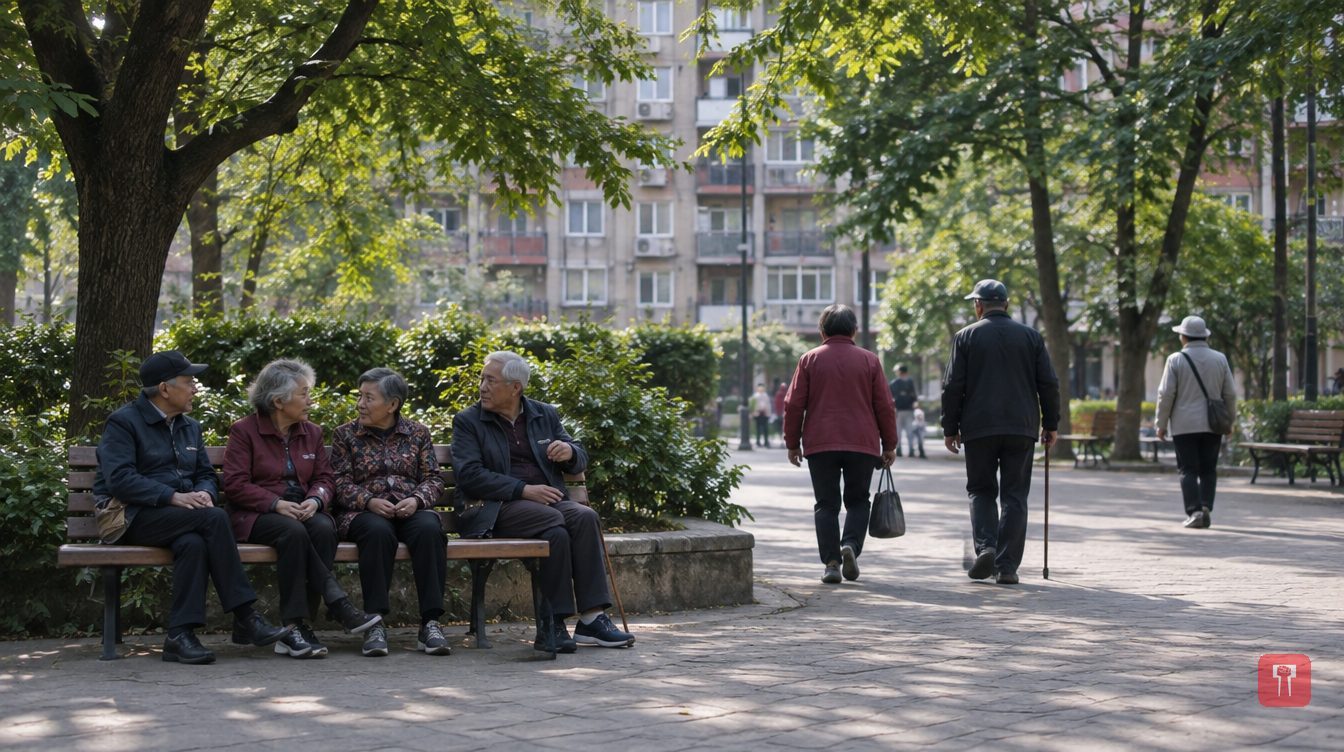
China, the world's second-largest economy, is facing a major demographic crisis. The number of elderly people in the capital, Beijing, is rising very fast, and the city is preparing to meet the challenge. According to official figures and estimates by population experts, more than one-third of Beijing's residents will be aged 60 or above by 2035. Beijing will then become a "super-aged" society, with a direct impact on the country's economy, its workforce and its social security system.
According to a report in Beijing Daily, the official newspaper of the Beijing municipal committee of the Communist Party of China, the number of permanent residents aged 60 or above in the city could reach nearly 7 million by 2035. At the end of 2023 the figure was recorded at about 5.29 million, or 23.8 per cent of the city's total population. An increase of more than 1.7 million is projected in a decade.
It helps to understand what a super-aged society is. Under United Nations and global demographic standards, a country or city is considered an "ageing" society when people aged 60 or above make up more than 10 per cent of its population. When the share reaches 20 per cent, it is called an "aged society". When the share of those above 60 reaches 30 per cent or more, it is called a "super-aged society". In Beijing, the share is clearly projected to exceed 33.3 per cent by 2035. Put simply, one in every three people walking Beijing's streets will be over 60.
With the number of senior citizens rising so fast, China's pension system and health services will come under unprecedented strain. The number of retirees is growing, while the number of young workers paying into pension funds is shrinking by the day. Economists fear a large shortfall in the social security budget as a result.
Illness increases with age, so demand for hospitals, rehabilitation centres, care homes (nursing homes) and specialised medical facilities will rise sharply. Looking after elderly people who live alone will be a major social and financial challenge for the Beijing administration.
The roots of the crisis lie in China's old policies. The one-child policy, in force for several decades, sharply lowered the birth rate. The government later allowed two and then three children, but young couples remain reluctant to have children because of high living costs, expensive education and modern lifestyles.
In 2022, China's total population recorded a significant decline for the first time in 60 years. Both the low birth rate and the longer average life expectancy brought about by medical advances are shrinking the working-age population. This risks lowering productivity and slowing growth in the industrial and technology sectors.
The Chinese government has begun taking steps on several fronts to counter this. Childcare subsidies, longer parental leave and tax concessions are being announced to encourage young people to marry and have children. The government has also decided to raise the retirement age of employees gradually to make up for the labour shortage. In addition, digital and community care services that reach elderly people at home are being expanded. Only time will tell whether all these measures will be enough for the growing crisis.
