

Nearly 200 nations meet in Yerevan as 2030 biodiversity targets slip out of reach
Delegates are reviewing progress on the Kunming-Montreal framework, with most countries well behind targets and funding falling short.
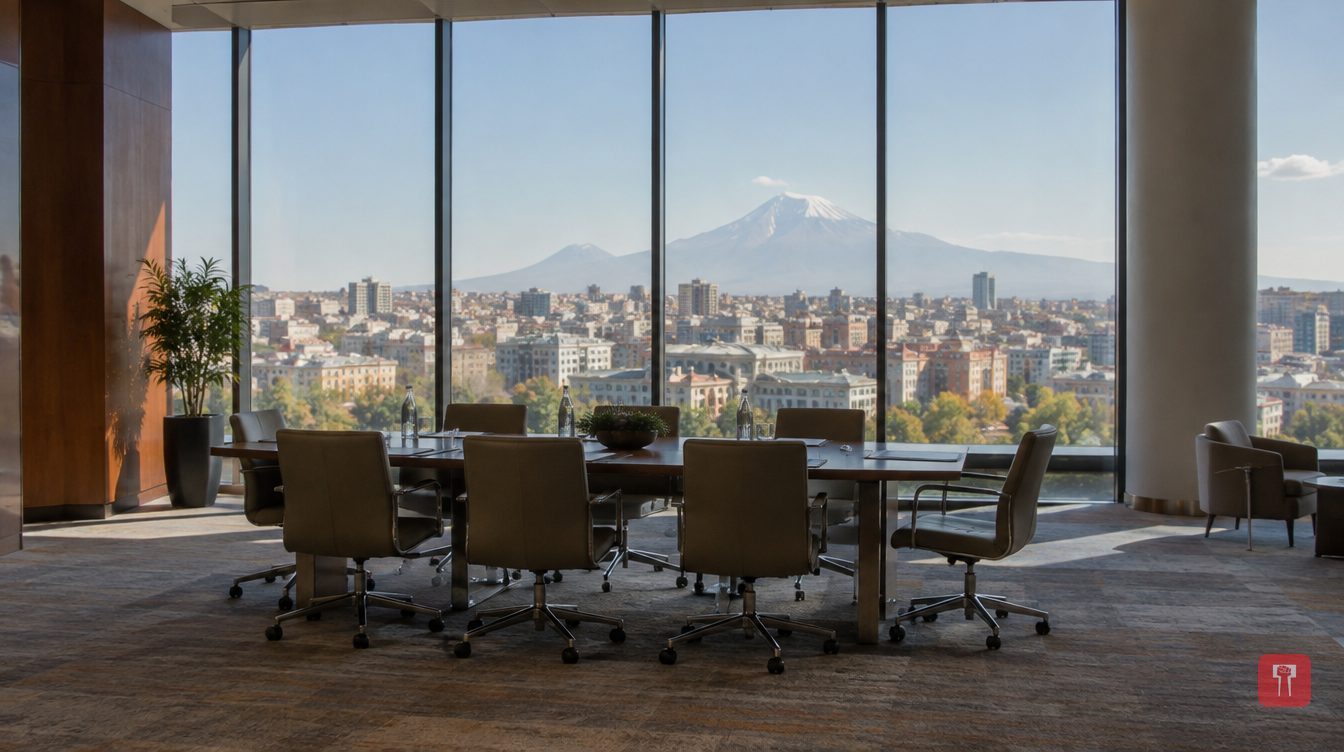 Images are not validated/verified
Big plans made to protect nature and biodiversity around the world are in serious trouble. Representatives of about 200 countries have gathered in Yerevan, Armenia, between October 19 and 30 to discuss the UN Convention on Biological Diversity (UN CBD). The meeting is seen as highly important as preparation for the forthcoming COP17 conference in Antalya, Turkey, and the 31st UN climate change conference.
But reports that surfaced at the start of the conference have heightened the concern of all participating countries. The reason is that the biodiversity targets set for 2030 now appear almost impossible to meet.
The UN Secretary-General issued a stern warning to the world on the occasion. "The war that humans have waged against nature must now stop," the Secretary-General appealed.
The Kunming-Montreal Global Biodiversity Framework was adopted in 2022 as a historic agreement. Its main aim was to halt biodiversity loss on Earth completely by 2030 and to restore degraded ecosystems. But because of slow implementation, a global slowdown and political disputes, experts now fear the agreement will remain only on paper.
Under the framework, 200 countries agreed on a total of 23 difficult targets. The most important is known as "30x30". Under it, at least 30 per cent of the world's land, inland waters (rivers, ponds) and oceans must be declared protected areas by 2030. Restoring 30 per cent of ecosystems degraded by human interference is also a major part of the agreement.
On the ground, however, many countries have so far not put in place firm national laws or policies to meet these targets. At the Yerevan meeting, countries are for the first time carrying out the first official assessment (Global Stocktake) of their collective progress in implementing the Kunming-Montreal agreement. The review has found that most countries are well behind the set targets, putting heavy pressure on the international community.
Saving biodiversity is not only a moral responsibility; it also needs heavy investment. The agreement provided that at least 200 billion US dollars a year would be raised from all sources to protect nature. Rich and developed countries were also bound to give 30 billion dollars a year from international public finance to poor and developing countries.
The most important issue is that activities that harm nature in the name of agriculture, energy and industry receive subsidies of 500 billion dollars a year. The aim was to stop this and redirect the money towards environment-friendly work. But because of turbulence in the global economy and war-like conditions, developed countries have cut this funding. This shortage of money has now become the biggest obstacle to meeting the 2030 targets.
The impact of this worrying report is feared to fall not only on the environment but also seriously on human life and the world economy. Rapid deforestation, soil erosion and river pollution are making food security a serious question. Scarcity of clean drinking water, severe heatwaves and sudden devastating forest fires are all clear signs of nature's balance being disturbed.
The world's vast forests and oceans keep the rain cycle regular. If these ecosystems are lost, there will be large and sudden changes in rainfall patterns, directly hurting agriculture and possibly leading to hunger worldwide. For this reason, international leaders and environment experts at the Yerevan meeting are trying to find new ways out of the crisis.
The 12-day talks in Armenia will be highly important ahead of COP17 in Antalya, Turkey. The final outline and future programme of COP17 will be decided on the basis of the discussions here. To close the gaps that have emerged, countries will now have to take more aggressive and stricter steps. It is hoped that the Yerevan meeting will not be a mere formal discussion but will lay a strong foundation for bringing the world onto a right and sustainable path.
