

Banks to stay open on Sunday, Sept 27, ahead of three-day strike
Public sector and regional rural banks will open on September 27 to give customers an extra day before UFBU's three-day strike from September 28.
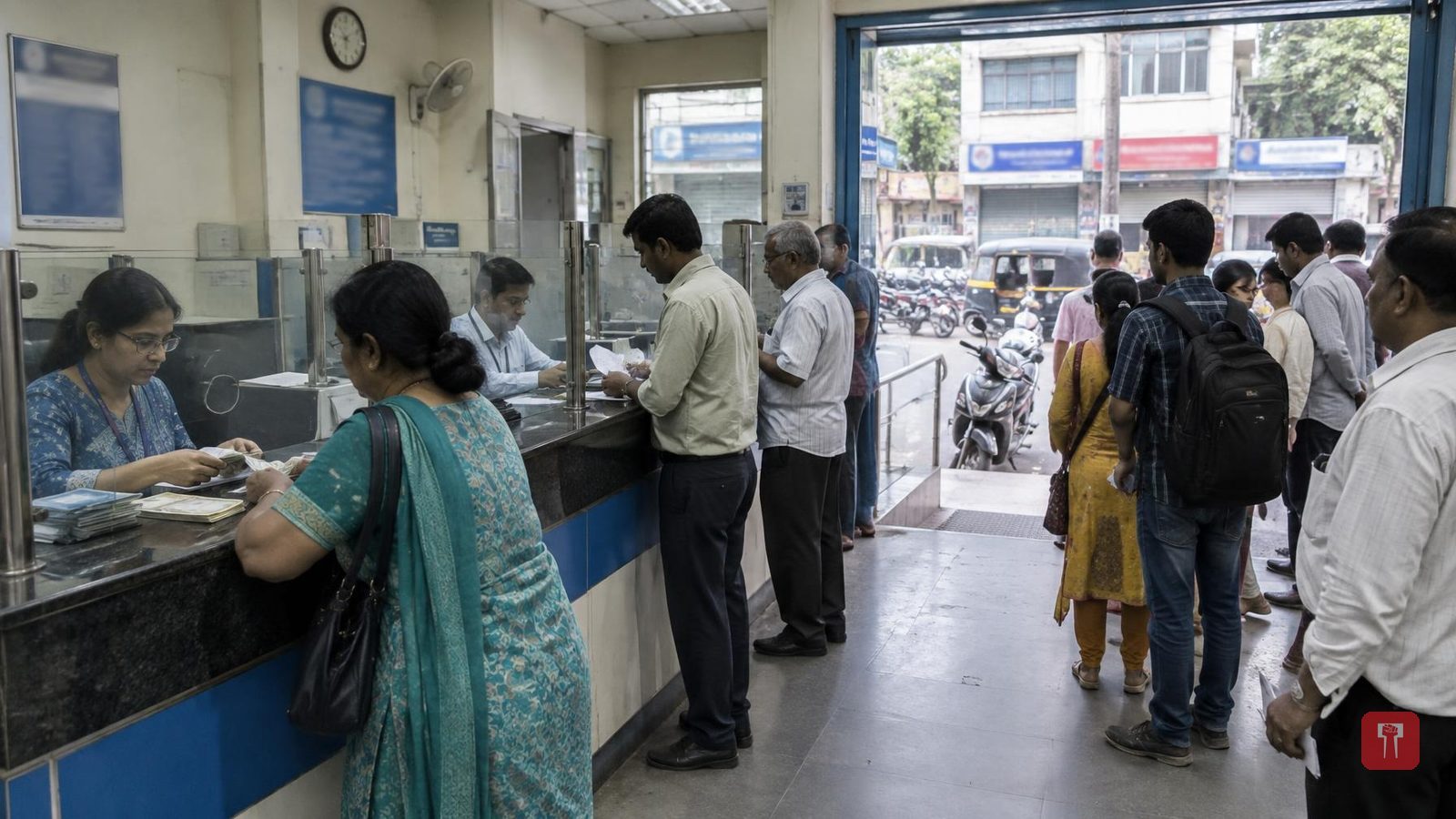
Customers with urgent banking work have got a big update. Ahead of a three-day nationwide bank strike starting September 28, public sector banks and regional rural banks will remain open on Sunday, September 27. This will give customers an extra day to finish essential banking work before the strike begins.
The United Forum of Bank Unions (UFBU) has called a nationwide three-day strike on September 28, 29 and 30, 2026. With September 26 being a fourth Saturday and September 27 a Sunday, regular branch services faced the risk of being shut for several days in a row. To avoid the resulting inconvenience, the government has decided to keep public sector banks and regional rural banks open on September 27, so that customers get a chance to visit a branch that Sunday and complete necessary work.
The Reserve Bank of India has also approved keeping bank branches, offices, ATM-linked branches and currency chests open on September 27. The government says customer convenience and welfare are its priority. Efforts are continuing between the government, bank management and employee unions to try to avert the proposed strike, along with arrangements to keep essential banking services running smoothly.
UFBU claims it represents around 90 percent of employees in the banking sector. The biggest demand behind the strike is implementing a five-day working week in the banking sector. The government has held talks with employee unions on their demands before, but no final decision has been taken yet on the five-day banking demand.
A conciliation meeting was held on Tuesday between UFBU representatives and the Deputy Chief Labour Commissioner, but no concrete resolution emerged. The Department of Financial Services, the Indian Banks' Association and bank management had appealed for the strike to be called off, to which UFBU said clearly that if there is concrete and positive progress toward implementing the five-day banking week demand, the union would consider it. Besides the five-day working week, UFBU's other demands include improving and updating pensions, a uniform method of dearness allowance for all pensioners, and giving employees under the National Pension System (NPS) the option to move to the Old Pension Scheme (OPS).
Given the strike, several public sector banks have advised customers to use digital banking services such as mobile banking, ATMs, internet banking, Business Correspondent (BC) points and UPI. Customers whose work depends on visiting a branch have the option to finish it on September 27 itself if possible. The dates September 28 to 30 also clash with banks' half-yearly account closing, and September 30 is especially important for the banking sector because it involves reconciliation, provisioning, and treasury and market operations work. This is why the decision to keep banks open on September 27 is being seen as important, so that the consecutive holidays followed by the three-day strike do not affect customers, business, government work and international banking. Customers who need to deposit cash at a branch, submit documents, complete KYC-related work, carry out cheque transactions or handle any other essential task may find it important to make use of this extra working day on September 27. For now, UFBU has maintained that the three-day strike stands.
