

Annual bonus is a legal right for eligible employees, not a company's discretion, under Wage Code
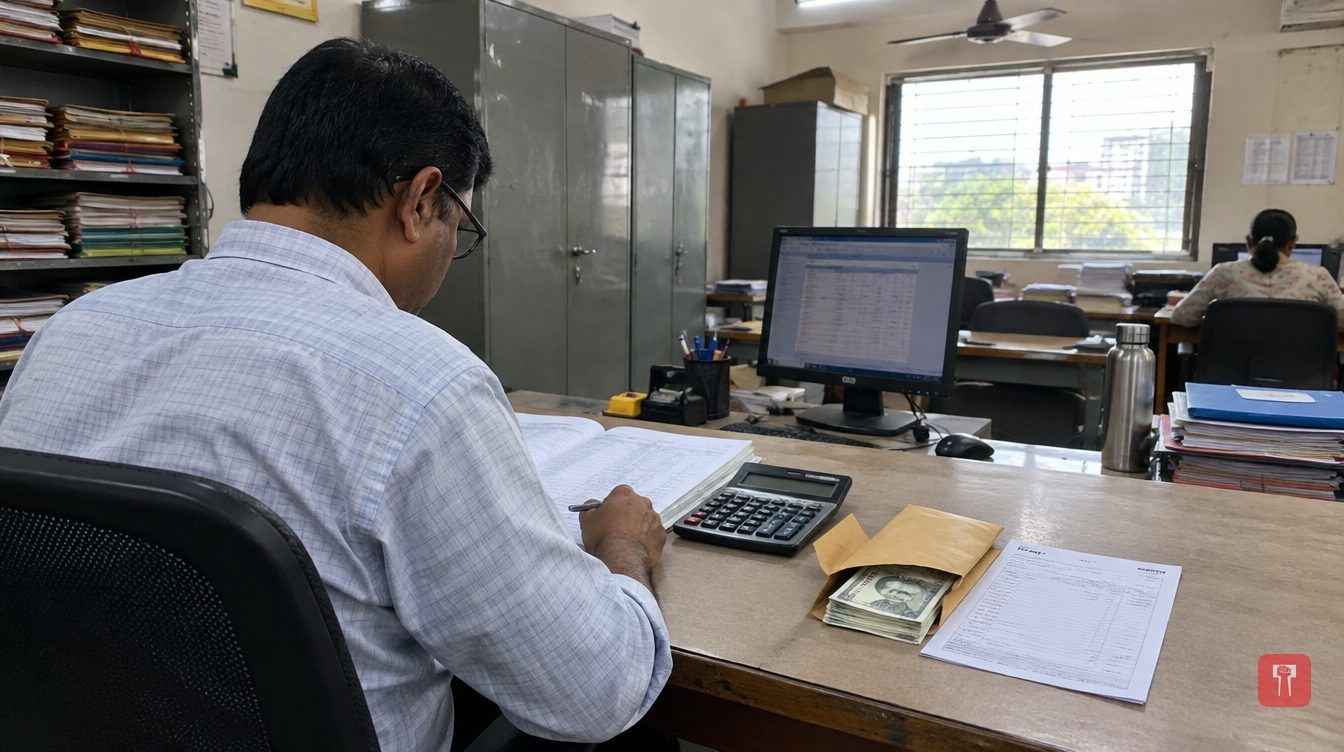 Images are not validated/verified
Under the Code on Wages, eligible employees must get a minimum 8.33 per cent annual bonus, and a Diwali gift does not discharge the employer's obligation.
Many companies give employees a bonus around Diwali, and many people assume that whether to pay one is entirely at the company's discretion. The position is different. Under labour laws in India, eligible employees must be paid an annual bonus as per the rules.
Bonus rules were earlier governed by the Payment of Bonus Act, 1965. The Code on Wages, 2019, in force since November 21, 2025, now incorporates all the provisions of that older law. The "annual statutory bonus" payable under the law and the "festival gift or additional grant" a company may give at festival time are two separate things. A company therefore does not escape its annual bonus liability merely because it gave something at Diwali.
Certain conditions must be met to qualify. The rules generally apply to establishments where 20 or more employees work on any single day in an accounting year. The government can, however, issue a special notification extending the rule to establishments with fewer employees.
The Wage Code fixes the monthly wage ceiling for an employee at Rs 21,000. Employees who fall within this limit and meet the other conditions are eligible for the bonus. The employee must also have worked at least 30 days in the financial year concerned. The bonus is not limited to permanent employees. Probationers and part-time employees can also qualify for the statutory bonus if the conditions are met.
There are rules on the amount as well. Eligible employees must be paid a bonus of at least 8.33 per cent under the Wage Code. If the company has sufficient profit or surplus, the bonus can go up to a maximum of 20 per cent. Everyone will not necessarily get the same bonus, because the actual amount depends on the employee's basic pay, the total number of days worked and the statutory calculation.
If an eligible employee's monthly salary is more than Rs 7,000, the bonus is calculated on the basis of Rs 7,000 or the minimum wage fixed by the government, whichever is higher. This rule was clarified by a Central government notification dated August 25, 2026, and is deemed effective from November 21, 2025. No company can avoid paying a bonus by saying "there is no tradition of giving a Diwali bonus in our company". If the conditions and eligibility criteria are met, the annual bonus is a legal right.
If a company that meets the rules does not pay the bonus, employees can claim it. They should first speak politely to the HR department or management and point out that an annual bonus is their right under the Wage Code or labour laws. Companies often delay because they are unaware of the law, but respond positively once they understand the legal position.
Instead of merely asking verbally, employees should send an official email or a written application, seeking the bonus by citing the basic salary, days worked and the law. This leaves them with official proof.
If the company refuses to pay the bonus without reason, a formal complaint can be filed with the labour commissioner or labour officer of the area. Every district has a deputy labour commissioner's office. If the issue is not resolved even after approaching labour officials, employees can move the labour court, or send a legal notice with the help of a legal adviser.

Comments
No comments yet. Be the first.