

Anant Chaturdashi puja: full list of items needed, including the anant sutra
Anant Chaturdashi falls on Friday, September 25, marking Lord Vishnu's Anant form and the end of Ganeshotsav
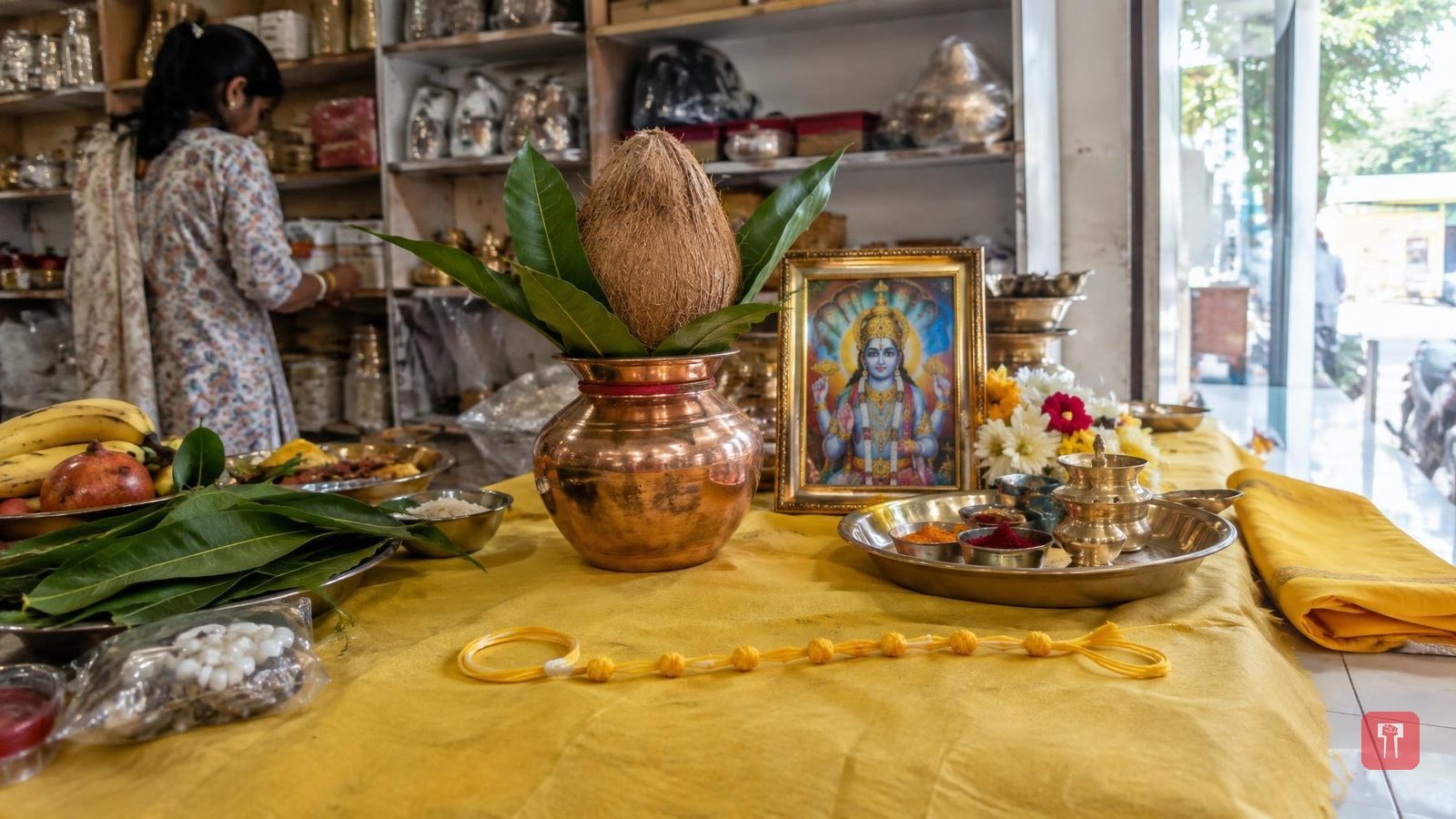
Anant Chaturdashi, observed on the fourteenth day of the bright half of the Bhadrapada month, is considered a highly significant day from a religious standpoint. On this day, Lord Vishnu's "Anant" form is worshipped, and it also marks the conclusion of the ten-day Ganeshotsav festival. The number 14 holds special importance in the puja, and there are certain items without which the fast and worship are considered incomplete. Here is the complete list of rituals and items required for the puja.
According to the Hindu calendar, Anant Chaturdashi falls this year on Friday, September 25. This date corresponds to the Chaturdashi of the bright half of Bhadrapada, and it is a long-standing tradition to worship Lord Vishnu's Anant form on this day. It is believed that worshipping and fasting for Lord Anant with devotion on this day brings peace and happiness into life and the blessings of Lord Vishnu.
Anant Chaturdashi is also a special day for devotees of Ganpati Bappa, since the main immersion of the idol takes place on this day in many places. This means that on September 25, Lord Anant will be worshipped even as Ganeshotsav comes to a close.
It is advisable to keep the puja items ready in advance so that nothing is found lacking at the time of worship. The main items required include an idol or picture of Lord Vishnu, an anant sutra with 14 knots, yellow cloth, a kalash, mango leaves, a coconut, roli, rice, sandalwood paste, yellow flowers, panchamrit, tulsi, fruits, betel leaves, betel nuts, ghee lamps, incense, camphor and Gangajal.
In addition, 14 pooris and 14 pua, a type of sweet fried item, are offered as naivedya during the puja, so that no essential item is missing from the worship.
The anant sutra holds special significance in the Anant Chaturdashi puja. This thread is tied with 14 knots. According to religious belief, these 14 knots symbolise Lord Vishnu's Anant form and the 14 lokas. It is customary to tie the anant sutra after worshipping Lord Anant. Men usually tie it on the right hand, while women tie it on the left hand.
A kalash is also installed during the Anant puja as part of the sacred rituals. The kalash is considered a symbol of auspiciousness and good fortune. It is filled with water, topped with mango leaves and a coconut. During the puja, an idol or picture of Lord Vishnu is placed near the kalash. The deity is then worshipped with roli, rice grains, sandalwood paste, flowers and the rest of the puja items. Panchamrit is prepared by mixing milk, curd, ghee, honey and sugar. Tulsi leaves are also offered, since tulsi holds special importance in the worship of Lord Vishnu.
