

A 10 to 15-minute walk after meals can help keep blood sugar in check, says guidance
Walking is a simple, effective exercise that can help control blood sugar, but people on medication or insulin should not rely on it alone.
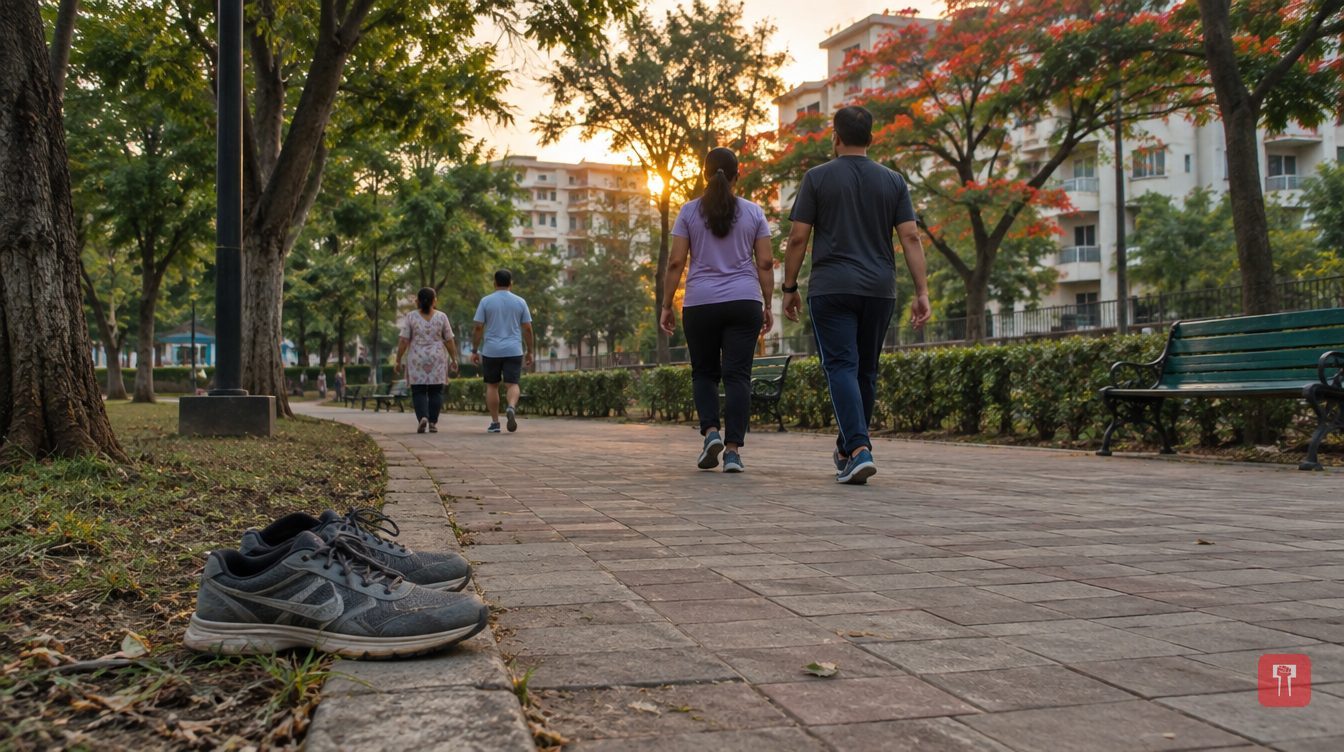 Images are not validated/verified
Diabetes and pre-diabetes are becoming more common by the day, and many people are looking for ways to keep blood sugar in check without medication. Walking is a simple and effective form of physical exercise that can help control blood sugar, the guidance says. Walking after meals every day, instead of going to the gym, can also be beneficial.
However, if a person with diabetes is taking medication or insulin, relying on walking alone is not the right approach. Such patients should follow a proper diet, regular exercise, timely check-ups and their doctor's advice, it says.
It also explains how walking helps keep sugar under control. When a person walks, the muscles need energy to work and use glucose from the blood. Regular walking lets the body make better use of insulin, which keeps blood sugar under control. Daily walking also helps in managing weight, reducing belly fat and improving heart health. These are important for people with type 2 diabetes. However, the effect depends on the person's age, health, diet and the state of the diabetes.
On how long to walk, it says adults should generally do 30 to 40 minutes of physical exercise, which can include brisk walking or light jogging. As an example, it gives 30 minutes of walking a day, five days a week. Those who have not exercised for a long time should begin with light walking for 10 to 15 minutes and gradually increase the time and pace as their capacity allows. If chest pain, unusual breathlessness, dizziness or weakness is felt while walking, the person should stop and, if necessary, seek medical help immediately, it adds.
Blood sugar rises naturally after a meal. A light walk at this time lets the muscles use glucose and helps reduce the post-meal spike. One can walk at a relaxed pace for 10 to 15 minutes after a meal, but the effect may differ from person to person. People who take insulin or medicines that lower blood sugar face the risk of hypoglycaemia, that is, a very low blood sugar level, during exercise.
It also lists other steps to keep sugar under control. The diet should include vegetables, pulses and whole grains, while sweet drinks and foods high in sugar should be limited. One should get up and walk a few steps every 30 to 60 minutes. Those who are overweight should try to lose weight gradually with the help of a doctor or dietitian. Blood sugar and HbA1c should be checked as advised by the doctor.
The material is meant only for general information and does not claim any treatment. It also advises consulting one's doctor before trying any remedy.
