

8th Pay Commission: new update on fitment factor and HRA, Bengaluru visit on October 7-8
The 8th Pay Commission team will hold talks in Bengaluru on October 7-8, 2026, as it firms up the fitment factor and HRA for central government employees.
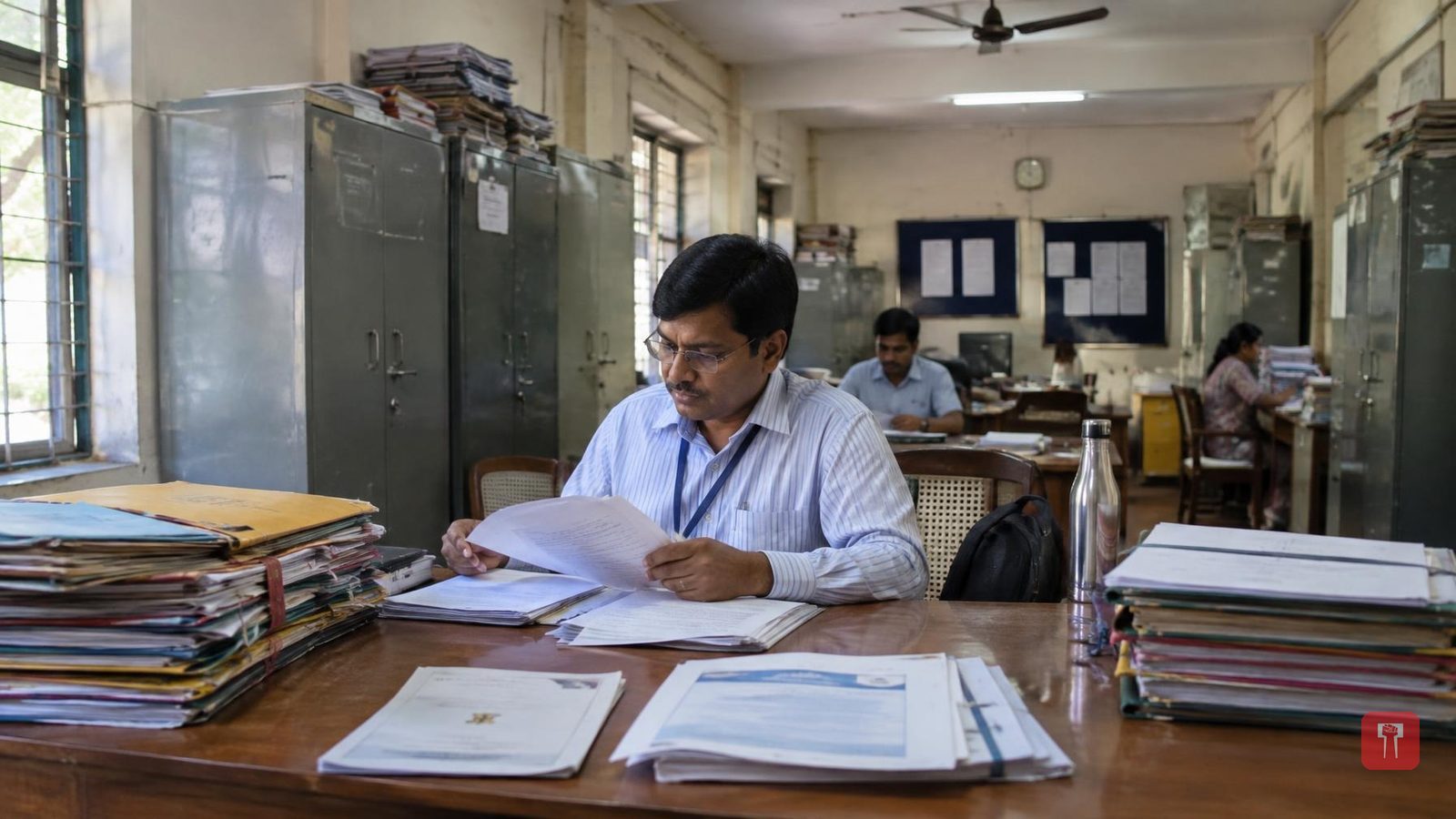
There is good news in the works for central government employees and pensioners. Work on the 8th Pay Commission, which people have been waiting for over the past several days, has now picked up pace. The commission's team, which began its work on November 3, 2025, has been travelling across the country holding talks with organisations from different sectors, adding momentum to the process.
Major meetings have already taken place in Chandigarh, Chennai and Puducherry. The commission's team will next head to Bengaluru, where it is scheduled to hold discussions with people there on October 7-8, 2026. Only after all these discussions will it be decided how much the new salary should be increased by.
Four things have been flagged as important in deciding the basis for the salary hike. First, the new basic pay; second, changes to allowances such as DA, HRA and TA; third, increments and other benefits; and fourth, improvements to posts.
Employee organisations have one major demand: that the dearness allowance, or DA, be merged into the basic pay itself. The benefit of this would be that items such as PF, gratuity and pension are calculated on basic pay, so if DA is merged into basic pay, the basic pay itself will rise. And with basic pay rising, all the other benefits calculated on it will also rise automatically.
Now on the fitment factor, which is the figure by which the old salary is multiplied to arrive at the new salary. In the 7th Pay Commission, this fitment factor was 2.57. In the 8th Pay Commission, it could range from 2.28 to 3.83. If the figure reaches 3.68 or 3.83, there will be a massive and historic increase in salaries, meaning even the minimum salary will see a sizeable jump. This fitment factor is at the centre of everyone's attention.
There is also a demand for a major revision of HRA. There has been no significant change to it since 2017, even as house rents have risen considerably in cities such as Mumbai and Pune. This is why employee organisations are demanding a hike in HRA.
The organisations have also suggested a new formula for HRA, under which cities are divided into three categories. Category X covers large cities such as Mumbai and Delhi, for which a 36 percent HRA has been demanded. Category Y, or medium-sized cities, carries a demand of 24 percent. Category Z, covering smaller towns and rural areas, carries a demand of 12 percent HRA.
Overall, the final figures for the fitment factor and HRA will depend on the commission's talks in Bengaluru and the process that follows.
