

53% of US adults lack savings to cover three months of expenses, Pew survey finds
A Pew Research Center survey finds 53 per cent of American adults could not meet three months of expenses from savings if their income stopped.
 Images are not validated/verified
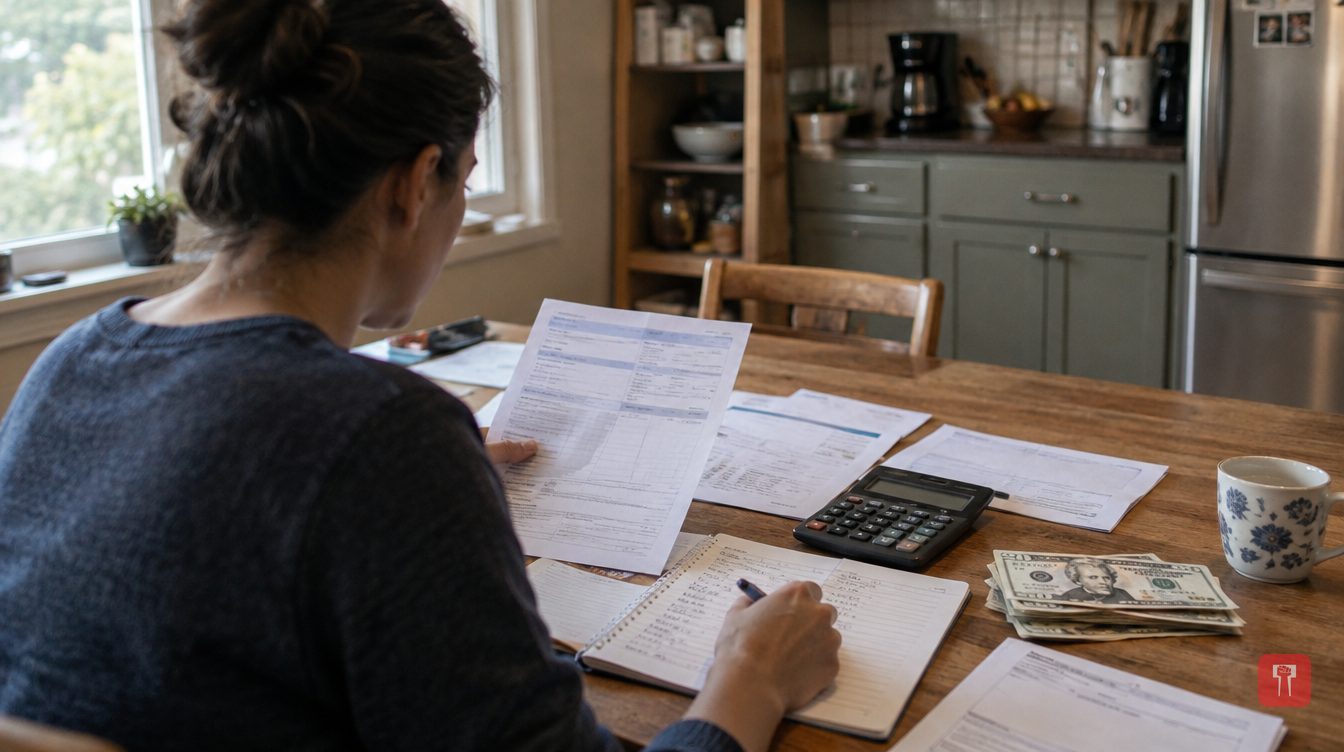
Even with a good income, a sudden job loss or a large expense can push a person into financial difficulty. A Pew Research Center survey shows that in the United States too, large numbers of people are not prepared for such situations. According to the survey, 53 per cent of American adults do not have enough savings to cover three months of expenses if their income stops. It shows that financial security is a major challenge for many.
The survey also brought out everyday money troubles. About 27 per cent of American adults said that even in an ordinary month they cannot pay some bills in full or have to pay them only partly. In addition, 44 per cent had difficulty meeting at least one essential expense in the past year. These include medical treatment, transport costs, rent or home loan payments, and food. Meeting these needs was particularly hard for people on low incomes.
The situation differs widely across income groups. Among low-income people, 77 per cent do not have emergency savings to cover three months of expenses. Among middle-income people, 52 per cent also do not have such a fund. High-income people are comparatively better off, but nearly 20 per cent in this group too said they lack savings to cover three months of expenses. The figures show that low-income families may find it harder to handle unexpected expenses.
Many also could not save for the future. According to the survey, 54 per cent of Americans were unable to set money aside for the future last year. At the same time, 70 per cent cut spending on eating out, entertainment and other non-essentials. The figures show that even in a country with a strong economy, many families are struggling to balance their needs and savings.
An emergency fund is money saved for use in case of job loss, illness or a sudden large expense. Experts generally recommend setting aside at least three to six months of essential expenses. This can reduce the risk of having to borrow or compromise on daily needs in hard times.
