

Early stroke signs often ignored, Pune neurosurgeon urges prompt treatment
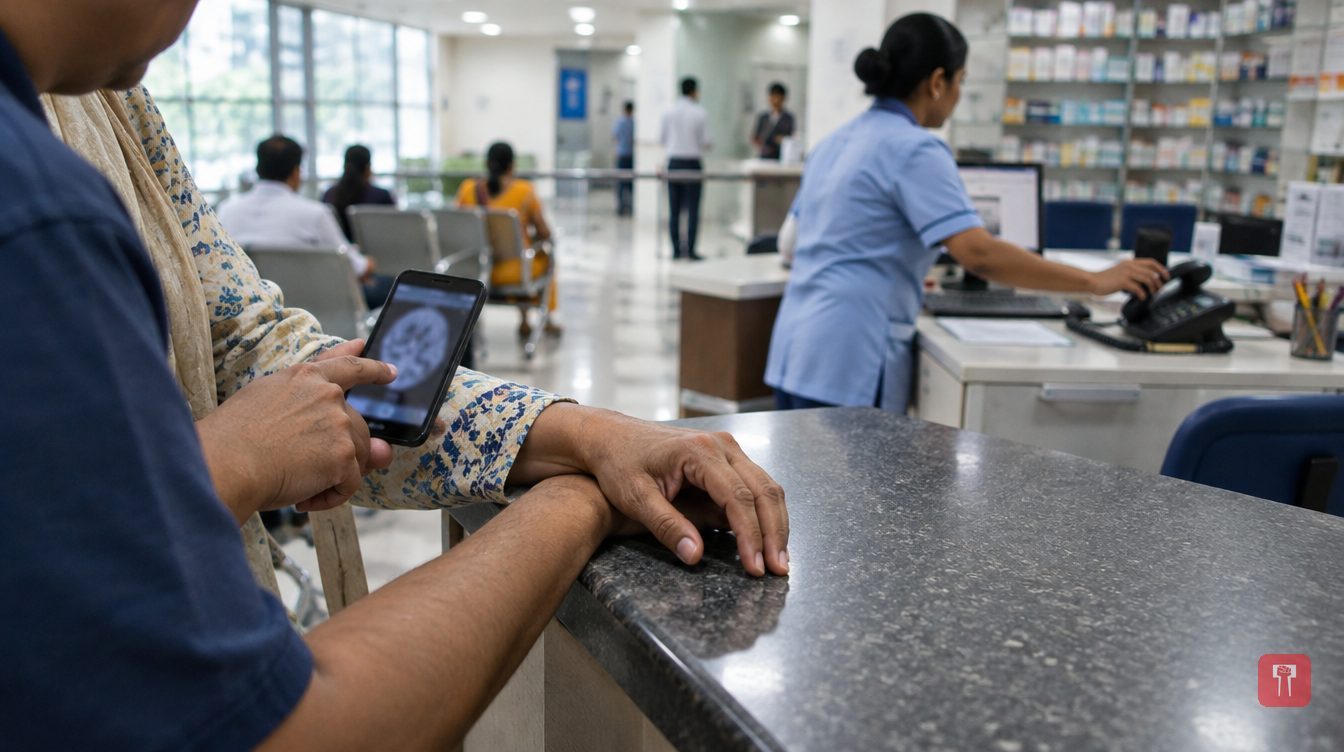 Images are not validated/verified
On World Stroke Day, a Pune doctor said stroke is a medical emergency and that every minute lost can affect a patient's chances of recovery.
Sudden dizziness, difficulty speaking or weakness in one arm may not seem serious at first. People often put these down to tiredness, a missed meal or a need for rest. But if they appear suddenly, they can be signs of a stroke, or brain attack. On World Stroke Day, it was stressed that stroke is a medical emergency and that every moment lost before treatment can affect the patient's chances of recovery.
According to Dr Ishant Rege, consultant in neurosurgery and neurointervention at Apollo Hospitals in Pune, the biggest challenge in treating stroke is that patients and their families fail to recognise the early warning signs in time. "They wait in the hope that the symptoms will subside on their own, try home remedies or put off going to hospital. But this delay can reduce the chance of getting timely treatment and increase the risk of permanent disability," Dr Rege said.
A stroke can occur when the blood supply to a part of the brain is cut off, or when a blood vessel in the brain bursts. Without a full supply of oxygen, brain cells begin to be damaged. Depending on which part of the brain is affected, the patient may have trouble walking, speaking, seeing, keeping their balance or understanding what is said.
The main warning signs listed are these. A drooping face: when the person smiles, one side of the face may look different from the other or sag. Weakness or numbness in the arm: a sudden weakness in one arm, or difficulty raising it. Trouble speaking: slurred words, halting speech or difficulty understanding others. A sudden change in vision: blurred vision or difficulty seeing. Loss of balance: sudden dizziness, difficulty walking or poor coordination. A severe headache: a sudden, unbearable headache with no clear cause can also be a warning sign.
"Stroke symptoms can appear without pain, which is why people often do not grasp how serious the situation is. Even if the symptoms disappear within a few minutes, they should not be ignored. They could be those of a transient ischaemic attack (TIA), a temporary stroke or 'mini stroke'. In that case too, it is essential to get a medical check-up immediately," Dr Rege said. He added that symptoms do not always appear in a severe form, and can sometimes be mistaken for tiredness, weakness or a passing physical problem.
On why immediate medical help matters, it was explained that treatment for stroke depends on its type, the time the symptoms began and the patient's condition. Some treatments can be given only within a fixed time window, so getting the patient to hospital as quickly as possible is vital.
For families who suspect a stroke, the advice is as follows. Call an ambulance or emergency medical service at once, without waiting for the symptoms to ease. Note the exact time the symptoms began, or when the patient was last seen in a normal condition. Do not rely on home remedies or try to treat the symptoms without medical help.
On whether the risk of stroke can be reduced, it was said that not every stroke can be prevented, but some lifestyle changes can help lower the risk. Keep blood pressure, blood sugar and cholesterol under control. Avoid tobacco and manage other risk factors as the doctor advises. Stay physically active and eat a balanced diet. Consult a doctor for any existing health problems and take prescribed medicines regularly. One point to remember in the case of stroke is not to wait for symptoms to become severe. Recognising the warning signs in time and seeking medical help immediately can make a major positive difference to the patient's life.
Reach readers on the ward they actually live in.
Advertise with Prime Time 24Reach readers on the ward they actually live in.
Advertise with Prime Time 24Reach readers on the ward they actually live in.
Advertise with Prime Time 24
Comments
No comments yet. Be the first.