

FDA suspends 326 licences, seizes Rs 44.37 crore of food in Diwali drive across Maharashtra
 Images are not validated/verified
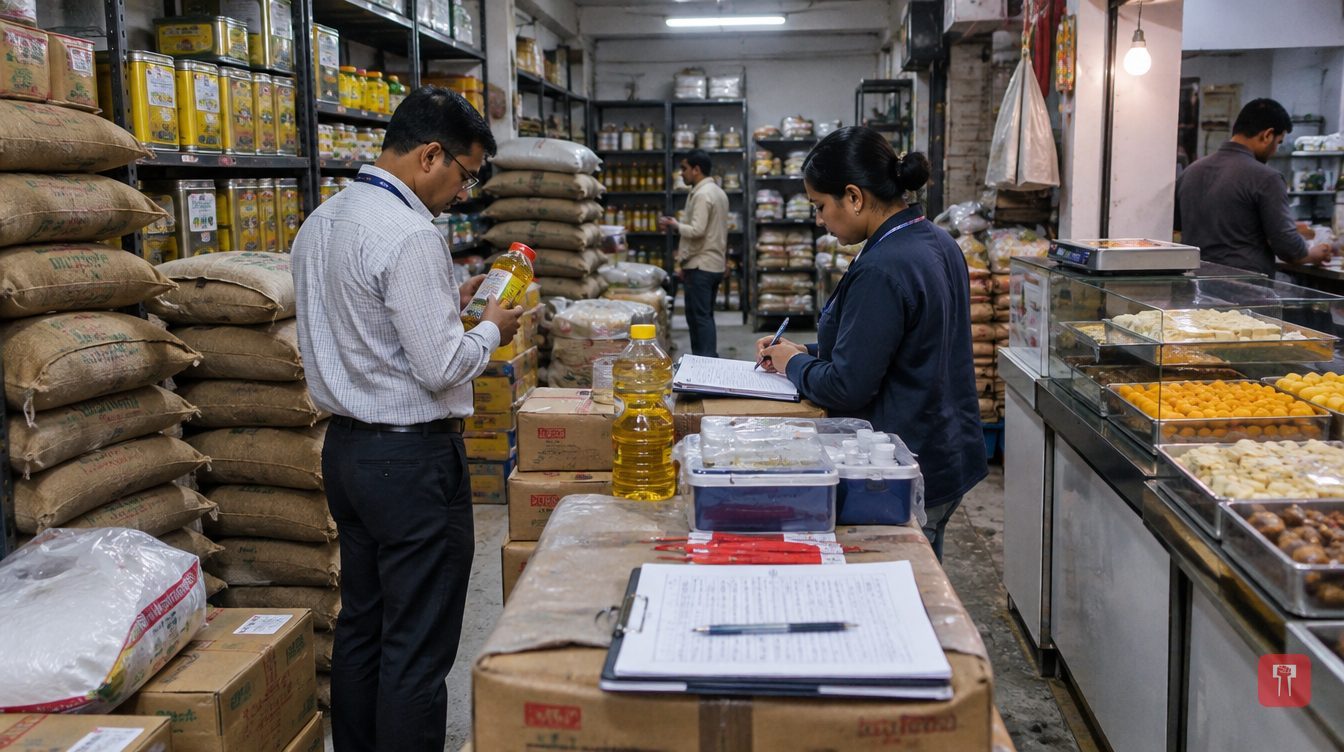
The Maharashtra Food and Drug Administration inspected 3,332 establishments between October 15 and November 3 and seized 1,886.44 metric tonnes of food.
The Maharashtra Food and Drug Administration (FDA), headed by Tukaram Mundhe, ran a special food safety drive ahead of Diwali from October 15 to November 3. Across the state, 3,332 food establishments were inspected, according to a government statement.
The statement said 326 licences and registrations were suspended during the period, while action to cancel 15 was initiated. The department issued 1,501 improvement notices and took 3,864 food samples. In all, 1,886.44 metric tonnes of food worth Rs 44.37 crore was seized.
In Mumbai, 1,037 inspections were carried out during the drive. The FDA issued 583 improvement notices, suspended 76 licences and began the process of cancelling four licences. In Mumbai, 438 food samples were taken and 28.745 metric tonnes of food worth about Rs 92.82 lakh was seized. The highest value of goods seized in the Diwali drive was in the Konkan division, at Rs 17.68 crore.
According to the FDA, the statewide campaign that ran from September 1 to November 3, 2026 resulted in food worth Rs 63.45 crore being seized and 954 food business licences and registrations being suspended. The campaign covered 9,667 establishments. The department issued 4,603 improvement notices, initiated action to cancel 25 licences and registrations, and took 8,835 samples for testing. The action was taken under the Food Safety and Standards Act, 2006, at a time when demand was high for sweets, khoya, dairy products, ghee, edible oil, dry fruits and other festival foods.
By commodity, edible oil and salt, spices and condiments accounted for a large share. Some 925.11 metric tonnes of edible oil worth Rs 16.31 crore was seized. Salt, spices and condiments totalling 895.32 metric tonnes were worth Rs 21.09 crore. Milk products including ghee and khoya, at 171.57 metric tonnes (Rs 7.63 crore), and dry fruits, at 156.66 metric tonnes (Rs 7.47 crore), were also seized. In addition, 59.78 metric tonnes of sweets worth Rs 1.36 crore and 48 metric tonnes of namkeen and snacks worth Rs 1.18 crore were seized.
The department said special watch is being kept on the transport of khoya and mawa arriving from other states. Inspection teams have been told to check for adulterated or synthetic khoya, the condition of cold chain storage, and records showing the source of the goods. The drive covered sweet shops, dairies, farsan makers, dry fruit sellers, supermarkets, online grocery platforms, quick-commerce warehouses, hotels, restaurants, caterers, street food vendors, fruit-ripening units and packaged drinking water manufacturers. The FDA is checking for irregularities such as the use of unapproved food colours, adulteration of ghee and edible oil, expired goods, wrong labelling, unsafe storage, and analogue paneer being sold as real paneer.
Consumers have been advised to buy food only from licensed or registered shops, to look for the FSSAI licence number displayed at the shop and to ask for a bill carrying the FSSAI number. They are advised to be careful when buying very cheap sweets, khoya, ghee and dry fruits. They should avoid brightly coloured sweets and not buy any that smell sour, feel sticky or show mould. Milk-based sweets should be bought in small quantities, refrigerated and eaten within a day or two. In gift hampers, the expiry date and label of every item should be checked. For online orders, the seal and expiry date should be checked at delivery, perishables should arrive cold, and expired, spoiled or open packets should be returned. Consumers should not eat cut fruit or uncovered food at roadside stalls, or food wrapped in newspaper.
Food businesses have been directed to maintain cleanliness, source raw material from licensed suppliers, display a valid FSSAI licence and ensure that food handlers follow hygiene rules. The FDA has warned that selling unsafe food can attract imprisonment under Section 59 of the Food Safety and Standards Act. Where unsafe food causes a death, the law provides for punishment of up to life imprisonment and a fine of at least Rs 10 lakh. Operating without a valid licence can attract up to six months' imprisonment and a fine of up to Rs 5 lakh under Section 63, and the licence can also be suspended or cancelled.
FDA Commissioner Tukaram Mundhe said the administration would stand by honest businesses but would take strict action against those who endanger public health. Complaints about food quality or irregularities can be made on the FDA's toll-free number 1800 222 3365 or on its complaints portal.
Reach readers on the ward they actually live in.
Advertise with Prime Time 24Reach readers on the ward they actually live in.
Advertise with Prime Time 24Reach readers on the ward they actually live in.
Advertise with Prime Time 24Reach readers on the ward they actually live in.
Advertise with Prime Time 24
Comments
No comments yet. Be the first.