

World Bamboo Day 2026: Why September 18 celebrates the versatile plant
World Bamboo Day is observed every September 18 to raise awareness about bamboo's uses and environmental benefits.
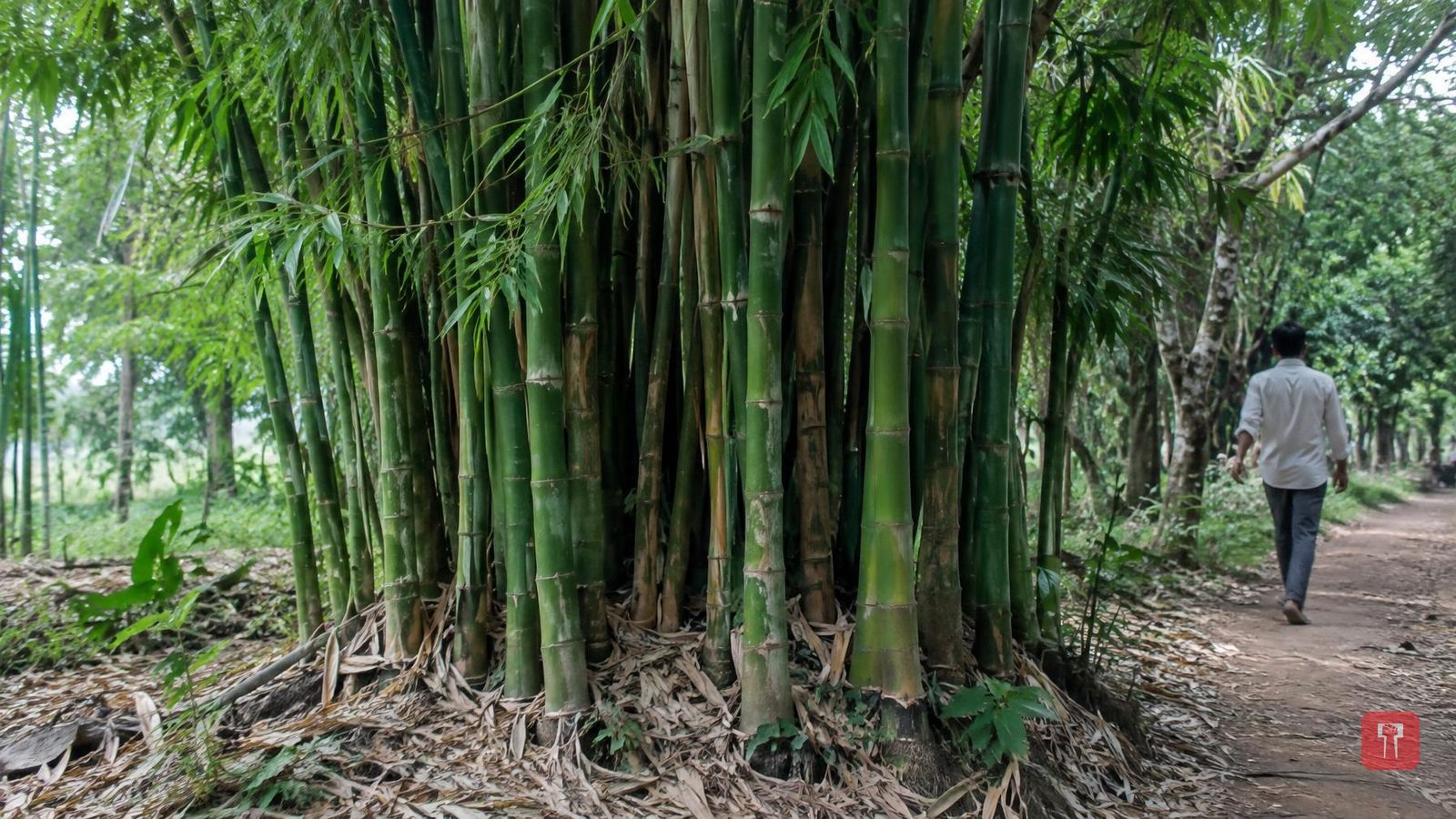
A special day is observed every day of the year, and September 18 belongs to bamboo. For centuries, bamboo has played a major role in human life. It is used to make all kinds of essential items, such as cots, ladders and wooden goods. Bamboo shoots are also used in cooking vegetables, and it is used during last rites in Hindu tradition. Bamboo is also considered very good for the environment. To tell people about this usefulness and its benefits, World Bamboo Day is observed every year on September 18.
The story of how this day began goes back to 2009. That year, the World Bamboo Organization started observing this day to create awareness among people about bamboo cultivation and its use. Bamboo is not just used for food or making goods, it has several other benefits that can be learnt about on this occasion.
Bamboo is also eaten in many places. Apart from pandas, humans eat it too. Bamboo shoots are added to stews, soups, gravies, pickles and salads. Bamboo is commonly found in South East Asia, the Indian subcontinent and islands of the Pacific Ocean. Notably, it grows back on its own after being cut.
Bamboo is counted among the fastest-growing plants on earth. Some of its species can grow up to 1 metre in a single day. It also yields timber, and bamboo forests spread far faster than forests of other trees.
The world record for the fastest-growing plant also belongs to some of the 45 species of bamboo, which grow at a rate of 91 centimetres, or 35 inches, a day. According to the RHS Dictionary of Gardening, there are about 1,000 species of bamboo. In tropical regions, the tallest bamboo can reach 40 metres, or 130 feet, while in Europe and America the tallest bamboo is between 20 and 30 metres, or 65 to 98 feet.
Bamboo is also considered a major source of oxygen. It produces 35 percent more oxygen than other trees. Bamboo plants absorb large quantities of greenhouse gases and thus act as a carbon sink.
