

WMO: Last 12 years the hottest on record, El Nino effect may last into early 2027
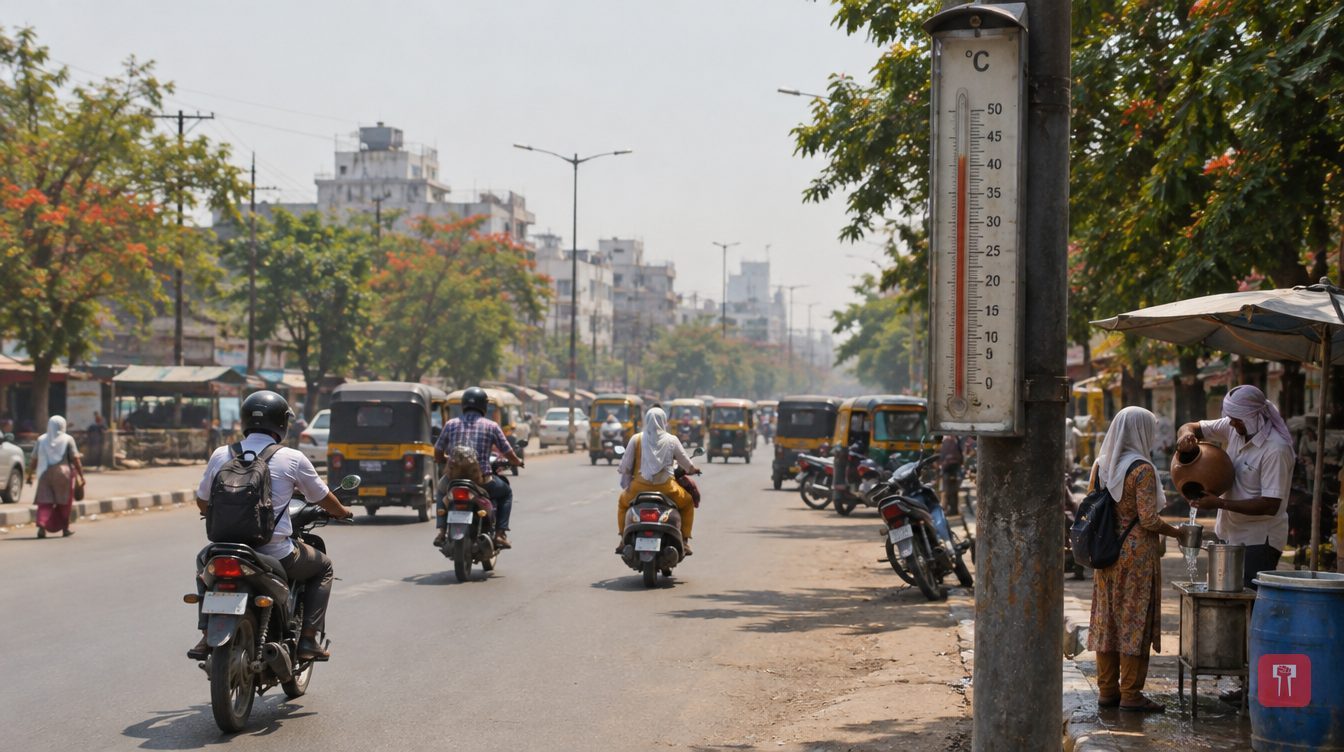 Images are not validated/verified
The World Meteorological Organization's State of the Climate Update 2026 says the past 12 years were the warmest ever recorded, with a super El Nino expected to persist into early 2027.
The past 12 years have been the hottest on record, according to the World Meteorological Organization's (WMO) State of the Climate Update 2026. The last four of these consecutive years were especially scorching.
Between January and September 2026, the global average temperature was 1.47 degrees above the pre-industrial level. The figure may sound small, but it is very large for the planet. El Nino is expected to push it higher by the end of the year.
In 2026, sea level reached its highest on record, and monthly sea surface temperature records were set. Glaciers continue to melt. In 2025, so much ice melted that its water could have filled five Olympic swimming pools every second through the year. In other words, ice equal to five pools was lost every second.
Fresh water reserves have also been shrinking since 2014. Drinking water is declining while the sea's salt water is increasing. The situation is very dangerous.
The current El Nino could prove many times more dangerous for health, concerns have been raised. Rising heat, drought and heavy rain could increase heat-related illness, wildfire smoke and worsening air quality, malnutrition and food insecurity, injuries, and changing risks of water-borne and insect-borne diseases.
Put simply, more heat will make people ill and bring heatstroke. Drought will destroy crops and leave grain in short supply. Heavy rain will bring waterlogging and more mosquitoes, and spread dengue and malaria. Forest fires will spread smoke everywhere and make breathing difficult. El Nino is thus not only a weather matter but also a question of health.
El Nino is likely to persist into early 2027. According to the report, El Nino usually raises the annual global average temperature by 0.1 to 0.2 degrees Celsius, and the final difference for January to September 2026 is expected to be above average.
This time it is a super El Nino, so the impact will be greater. According to the WMO, it will last until early 2027.
In the coming months, people will need to be prepared for heatwaves, sudden rain and storms. Farmers must be careful. City residents must remember to save water and avoid going out in the sun. Global warming is no longer just news; it is visible in daily life. Sometimes there is too much rain, sometimes none at all. Sometimes there is no cold, sometimes harsh heat. El Nino is set to increase all of this.
Reach readers on the ward they actually live in.
Advertise with Prime Time 24Reach readers on the ward they actually live in.
Advertise with Prime Time 24Reach readers on the ward they actually live in.
Advertise with Prime Time 24Choose primetime24.com as a preferred source on Google Google shows more stories from your preferred sources in Top Stories.
Reach readers on the ward they actually live in.
Advertise with Prime Time 24
Comments
No comments yet. Be the first.