

Why North Indians return to their villages for Chhath Puja, drawn by family and tradition
 Images are not validated/verified
Chhath is a festival of nature, family and village ties, and migrants from Bihar, Jharkhand and eastern Uttar Pradesh travel home to observe it.
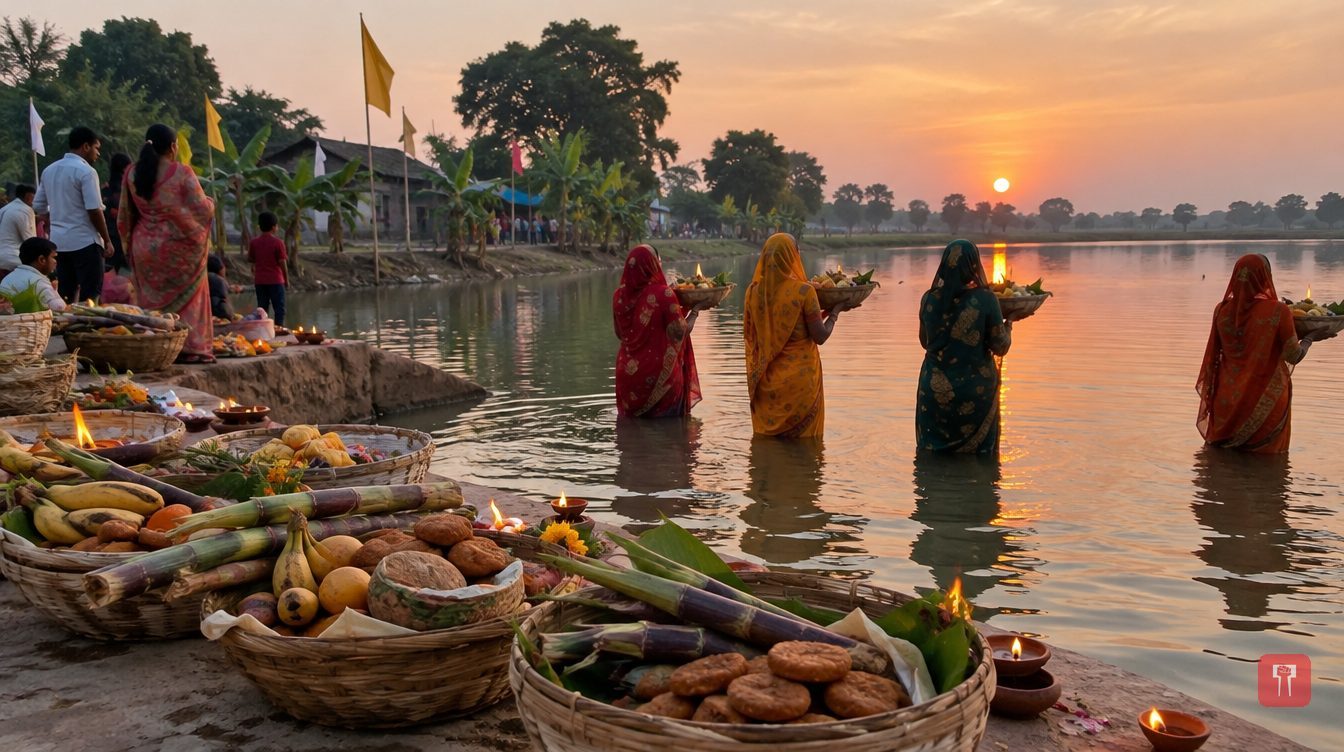
In north India, Chhath Puja is not just a religious ritual. It is a major festival that strengthens bonds with nature, culture, family and the village. It is celebrated with great enthusiasm especially in Bihar, Jharkhand, eastern Uttar Pradesh and the Terai region of Nepal. North Indians who have moved to Mumbai, Delhi or abroad for work make a special trip back to their native villages for the festival, which doubles the joy of the occasion.
One distinctive feature of Chhath Puja is that arghya, the offering of water, is made to the setting sun as well as the rising sun. This carries the message that happiness and sorrow, the ups and the downs of life, deserve equal respect. The worship is devoted entirely to nature. Gratitude is expressed by offering new grain grown in the fields, fruit, sugarcane, turmeric, ginger and vegetables.
The worship needs no priest or intermediary. There is a direct dialogue between the devotee and the deity. People of every caste and religion, poor and rich, gather on the banks of a river or pond. Standing at the same ghat, all worship the sun, which helps dissolve social divisions.
The festival lasts four days. Devotees observe a 36-hour nirjala vrat, a fast in which not even water is taken. Cleanliness and purity are given the highest importance throughout.
Railway stations and buses are crowded during Chhath, which shows the festival's bond with the village. There are several emotional and practical reasons for this. The festival cannot be observed alone. Gathering the offerings, making thekua (a traditional sweet) and going to the ghat all need the whole family. When relatives gather in the village, the work is shared and the joy doubles.
The worship requires flowing water or a large pond. In big cities, lack of space and polluted water mean artificial ponds have to be built, while villages easily offer natural rivers and clean ponds. The tradition has also been handed down through generations. Many families have made a vow to Chhath Mai, and since the tradition is carried forward from the ancestral home in the native village, going there is regarded as a religious duty. People who spend the year in the rush of city life miss their soil, their childhood friends and the simple life of the village. Chhath Puja gives them a chance to reconnect with their roots.
On the first day, Nahay-Khay, devotees bathe in the river and clean the house. They then eat a sattvik meal of chana dal, bottle gourd curry and rice. The fast begins with this meal.
On the second day, Kharna, after fasting through the day, kheer made of jaggery and rice, and rotis, are prepared in the evening and offered to the deity. After eating this prasad, the strict 36-hour nirjala fast begins.
On the third day, Sandhya Arghya, the whole family goes to the riverbank carrying fruit and thekua in bamboo baskets (soop). Standing in the water, they offer arghya to the setting sun. Folk songs are sung at the ghat at night.
On the fourth day, Usha Arghya, devotees again stand in the water in the early morning before sunrise. They offer arghya to the rising sun and pray for the well-being of the world. The fast is then broken by eating the prasad.
The traditional Maithili and Bhojpuri folk songs sung during Chhath give the festival a distinct spiritual height. The festival feels incomplete without the songs of singers such as Sharda Sinha.
The items used in the worship are entirely local. Artisans who make bamboo baskets, potters who make clay lamps and farmers who sell fruit and vegetables get significant income from the festival. Chhath Puja is a unique celebration that honours nature, brings families together and keeps people connected to their roots.
Reach readers on the ward they actually live in.
Advertise with Prime Time 24Reach readers on the ward they actually live in.
Advertise with Prime Time 24Reach readers on the ward they actually live in.
Advertise with Prime Time 24Choose primetime24.com as a preferred source on Google Google shows more stories from your preferred sources in Top Stories.
Reach readers on the ward they actually live in.
Advertise with Prime Time 24
Comments
No comments yet. Be the first.