

UN expert: environment must be part of global strategy to curb antimicrobial resistance
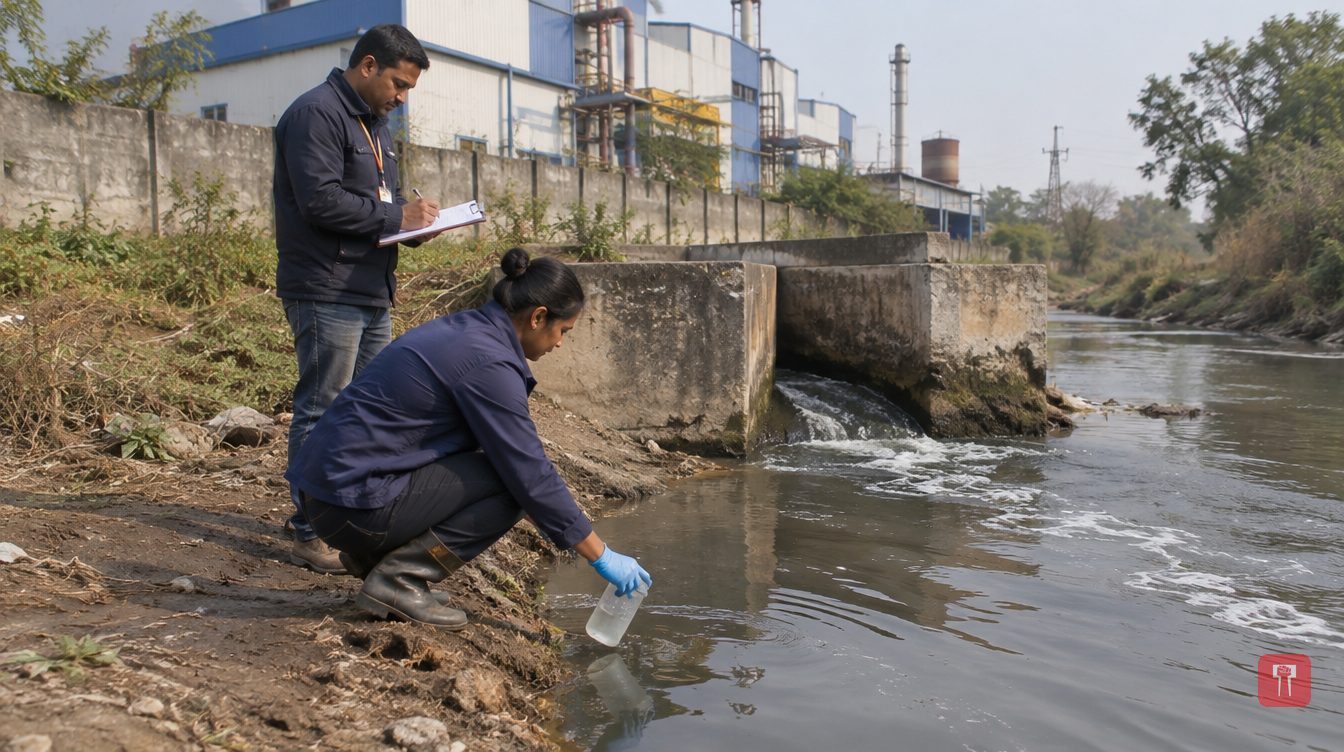 Images are not validated/verified
A UN Environment Programme expert says controlling pollution at source, environmental monitoring and adequate investment must be part of the global strategy against drug resistance.
Misuse of medicines makes microbes (bacteria, viruses, fungi, parasites and others) immune to drugs. This is called antimicrobial resistance, or drug resistance. Medicines stop working, treatment becomes difficult and at times a disease can become incurable. The misuse is not limited to human health. It is also happening in animal husbandry and farming, and it is polluting the environment.
Drug residues, drug-resistant microbes and their genes are spreading into the environment through pollution. The global strategy to control drug resistance must therefore include curbs on sources of pollution, environmental monitoring and adequate investment, said Aitziber Echeverria, an expert at the UN Environment Programme. She said protecting the environment is essential to avoiding drug resistance and is a basic condition for success.
Speaking at the sixth annual Global Media Forum, Echeverria said: "Drug resistance is often seen as a challenge for public health and agriculture. Of course, it is a major challenge for both, but it is also directly linked to the environment." She said the world has made considerable progress in recognising the environmental dimensions of drug resistance, but the real challenge is putting them into practice on the ground.
In 2024, the political declaration of the UN General Assembly called for coordinated action across sectors to tackle drug resistance. Echeverria stressed that the environment should be made an integral part of this strategy. In December 2025, member states at the UN Environment Assembly also passed a resolution on the environmental aspects of drug resistance.
According to Echeverria, the most important step is to stop antimicrobial pollution at the outset, so that conditions in which drug resistance emerges and spreads do not develop in the environment. "We must stop residues of antimicrobial drugs, drug-resistant microbes and resistance genes before they reach the environment. For this, control at the source of pollution is essential," she said.
She named four key economic sectors. The first is pharmaceutical and chemical manufacturing, which includes controlling waste and effluent from industrial units that contain residues of antimicrobial drugs. The second is agriculture and food systems, which covers livestock rearing and crop production on land and in water. Echeverria believes that adopting more sustainable methods can reduce the pollution burden on the environment.
The third sector is the health care system, where responsible and judicious use of antimicrobials can prevent their unnecessary release. The fourth is urban and municipal systems, where untreated or partially treated waste and sewage can encourage the emergence and spread of drug resistance. These four sectors show that efforts at separate levels will not be enough, because pollution from one sector can affect the health of humans, animals and the environment alike.
Echeverria also stressed the need to strengthen environmental data, monitoring and information sharing. This would help countries identify emerging threats in time and act where they are most needed. In her view, strong evidence and big commitments will not be enough until countries fix a basic governance and policy gap: environment departments and institutions often have only a limited, nominal role in national decisions on drug resistance.
"There must be no room for fragmentation in policies and regulation. This is necessary globally, but even more so at the national and local levels, so that there is no gap between words and action and all sectors work in coordination," she said. She added that environment institutions should be formally included in national drug resistance programmes and related arrangements from the start. Calling them in only for advice after the strategy is made is not enough. According to Echeverria, this is essential for making the "One Health" concept effective in practice.
Echeverria said that strengthening wastewater treatment infrastructure, creating or improving systems for the safe disposal of antimicrobials, building the capacity of laboratories and surveillance systems, and collecting data on drug resistance in the environment will all help countries make evidence-based decisions and measure progress. She said such investment should also be linked to broader environmental programmes, which include reducing pollution, improving water quality, better chemicals management, proper waste disposal and promoting sustainable production and consumption.
The benefits would not be limited to preventing drug resistance. They could include better public health, protection of biodiversity and stronger water security. It would also help in tackling the three major global environmental crises: climate change, nature loss and pollution.
Dr Jean-Pierre Nyemazi, an expert at the World Health Organization, also stressed turning global commitments into concrete action. He said: "Drug resistance is one of the most serious global health threats and development challenges facing the world. It affects our ability to treat infections, protect animal and plant health and produce food safely. It also has an impact on the environment."
The gravity of the threat can be gauged from the fact that in 2021, more than 4.7 million deaths were associated with drug resistance from bacteria alone. Dr Nyemazi said: "These are not just numbers. Behind them are patients, families, farmers and communities." He cautioned that many interlinked failures lie behind the problem, including wrong and excessive use of antimicrobials, inadequate infection prevention measures, poor water and sanitation systems, and pollution in the environment.
Dr Kefas Samson, senior technical officer at WHO headquarters and head of multisectoral coordination, spoke of the importance of turning global strategies into action suited to national needs and local conditions. He said countries must assess their needs, set priorities and cost the proposed measures. They must also ensure that plans are implemented according to available resources.
According to him, primary health care and community-based health systems have an important role in this. They can help bring lasting changes in people's behaviour, strengthen infection prevention, detect disease early and ensure appropriate treatment at the right time.
Reach readers on the ward they actually live in.
Advertise with Prime Time 24Reach readers on the ward they actually live in.
Advertise with Prime Time 24Reach readers on the ward they actually live in.
Advertise with Prime Time 24Choose primetime24.com as a preferred source on Google Google shows more stories from your preferred sources in Top Stories.
Reach readers on the ward they actually live in.
Advertise with Prime Time 24
Comments
No comments yet. Be the first.