

Trump holds off 100% duty on buyers of Russian oil, India and China spared for now
US President Donald Trump signed an order on new Russia and Iran sanctions that also temporarily exempts India and China from the proposed 100 per cent tariff.
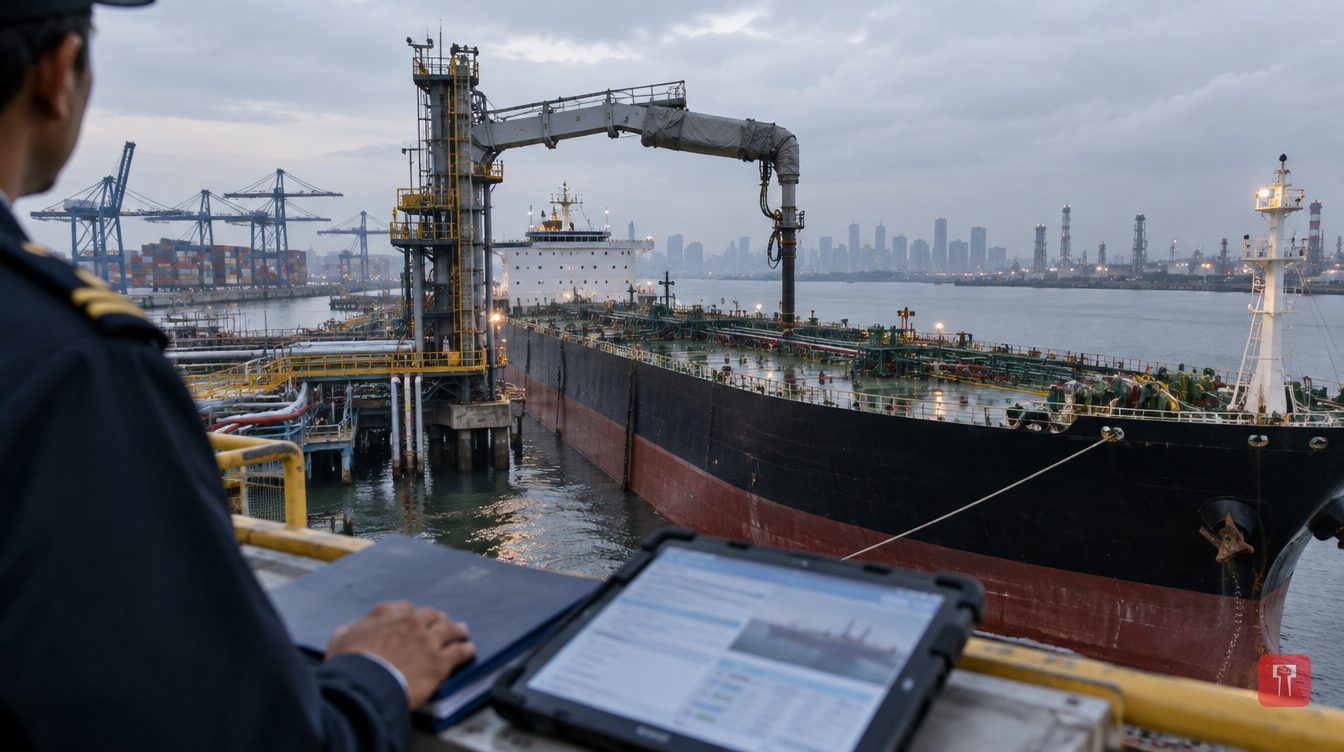 Images are not validated/verified
US President Donald Trump has stepped back from a plan to hit countries that buy Russian oil and gas with extra import duties of up to 100 per cent. In an executive order signed on Friday, he put new sanctions on Russia and Iran. In the same order he exempted large buyers such as India and China from the heavy duties, a day before they were due to take effect.
The order says exemptions are being granted from several sanctions, restrictions and duties whose start dates were close. In a certification sent to the US Congress, Trump said that granting these concessions for the time being served the national interest of the United States. The order does not explain its reasoning in any detail. It also names no end date for the exemption, which suggests Washington does not wish to harm its trade and strategic ties with New Delhi at this stage.
The relief is not permanent, however. The US administration has made clear that this is a temporary hold and that it will keep a close watch on the global trade in Russian oil and on countries that dodge sanctions. The US Trade Representative has been told to work with the State, Treasury and Energy departments to monitor the buyers of Russian crude.
The row goes back to the Lindsey O. Graham sanctions law on Russia and Iran, which Trump signed in the middle of September 2026. The law makes strict economic action mandatory against countries that buy oil or gas from Russia. As described in one account, goods entering the US from the five biggest importers of Russian crude or gas were to face duties of up to 100 per cent. Another account says the law allows punitive duties of up to 500 per cent on countries that buy Russian energy products, or on entities that help Russia get around international sanctions. The law is meant to choke off Russia's sources of income. Several countries, India among them, had voiced concern about what it could mean for their trade.
Before the order, US lawmakers Michael McCaul and Jim Costa had sent the President a joint letter asking for the law to be enforced in full. They argued that any exemption should run for a very short period and be linked to genuine cuts in purchases of Russian oil.
For India the stakes were high. India buys large volumes of Russian crude at discounted prices, and a 100 per cent duty, which could have come on top of existing US duties, would have put heavy pressure on Indian exporters, on oil companies and on fuel prices at home. The real damage would have depended on which country and which products were hit. China is also among the biggest buyers of Russian crude.
The timing adds weight to the visit of US Secretary of State Marco Rubio to India from October 17 to 22. He is to travel to Samarkand, Mumbai and Jamnagar. On October 20 he will hold a high-level meeting in Mumbai with External Affairs Minister Dr S. Jaishankar. He will also go to the Reliance refinery complex at Jamnagar in Gujarat, one of the largest refining complexes in the world, where Russian crude is processed and diesel and petrol are shipped to Europe and other markets. The trip is therefore expected to bear on energy cooperation, Russian oil purchases and bilateral trade agreements.
Reacting in Lucknow, Uttar Pradesh minister of state Om Prakash Rajbhar said: "When the country's Prime Minister travels to different countries of the world, he carries a message of peace. It is the result of this message of peace that the duties have now been waived completely, and the whole of India will benefit. The Prime Minister does this kind of work, which the opposition cannot understand."
This is not the first time Russian oil has strained ties between the two countries. In 2025 the Trump administration imposed an extra 25 per cent duty on India over its purchases of Russian crude, along with a 25 per cent reciprocal tariff. In February 2026, under the India-US trade framework, the extra duty was withdrawn and the reciprocal tariff was cut to 18 per cent.
The latest move comes as the US weighs how to raise pressure on Russia and find a way to end the Ukraine war. Analysts credit India's diplomatic skill and its role as a peacemaker for the rethink, but they caution that the next American steps will depend on future trade policy and shifting global equations.
