

Thane's Ghantali Devi temple in Naupada, a place of faith for 150 to 250 years
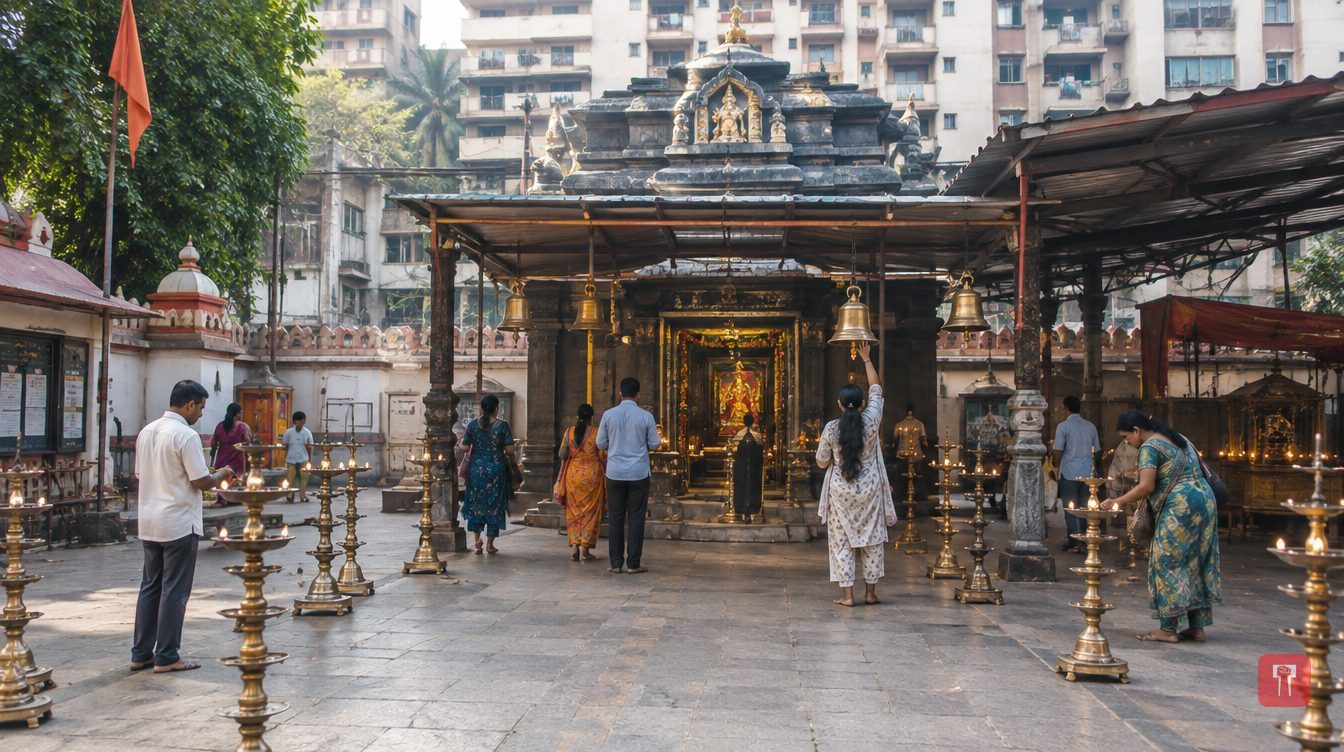
The old Shri Ghantali Devi temple on Ghantali Path is a centre of faith for many Thane residents, though no firm record shows when it was built.
 Images are not validated/verified
The Shri Ghantali Devi temple holds a special place in the religious and cultural tradition of Thane city. Built on Ghantali Path in the Naupada area, the old temple is a centre of faith for many residents of Thane. Firm belief in the goddess, traditions followed for generations and historical memories linked to the temple make it special. As the city spread, the temple kept its religious and cultural importance.
The temple's history is said to be about 150 to 250 years old, as various writings mention. However, accepted historical records are not easily available on the year the temple was built, who built it and how the goddess's idol appeared. To understand its history, local tradition, the devotion of worshippers and the available historical references have to be considered together.
Thane has had a religious, mercantile and cultural heritage since early times. Its link with the Konkan coast, the presence of different communities and traditions built around local deities have made the temples here important in social life. The Ghantali Devi temple is also considered an important part of this tradition. The goddess is regarded as the protector of devotees in the area and the one who fulfils vows. Calling on the goddess in trouble, making a vow and visiting to give thanks when a wish is fulfilled are all part of devotees' religious life here.
A well-known story is told about the temple. It is said that the area once had dense thickets and a pond, and a temple of Lord Shankar stood on the bank. A devotee who came there daily for darshan saw in a dream that an idol of the goddess lay behind a mango tree near the pond. According to local tradition, the idol was then found and installed after rituals and worship. Devotees believe the idol is self-manifested.
A folk tradition is also cited for the name. Ghantali is linked to the words "ghanta" (bell) and "tali". It is believed that there was a custom of tying a bell at the temple when a vow was fulfilled, and the goddess came to be called Ghantali.
Shri Ghantali Devi is regarded as the kuladevata (family deity) of the Koli and Pathare Prabhu communities. For many families in these communities, darshan and worship of the goddess have a special place in religious practice. The custom of seeking the goddess's blessing at auspicious family occasions, festivals or special events is tied to this shrine. Worship of the kuladevata is not limited to private faith. It also preserves the family's tradition, the bond with ancestors and the cultural unity of the community.
The main sanctum of the temple houses idols of Ghantali Devi, Mahishasuramardini and Goddess Durga, as the available accounts of the temple state. These forms of the goddess reflect the idea of Adishakti, who destroys evil tendencies.
In its older form the temple was made of wood, with separate sanctums for Lord Shankar and Ghantali Devi. The structure was later altered. In 1901 a new sanctum was built between the two and an idol of Shriram installed. The temple also has the pind of Mahadev along with idols of Shriram, Lakshman, Sita and Hanuman. The compound has rows of lamps and a large darshan hall, which create a devotional atmosphere. Despite being in a modern urban area, the temple has kept the form of a traditional shrine.
For history, a mention in the 1882 Gazetteer of the Bombay Presidency is considered important. According to available references, the temple is mentioned in the 14th volume of the gazetteer. At that time the temple premises were near a road called "Bombay Road". The references also record that the temple received an annual allowance of four rupees from the British government of the time. These records show that the temple existed in the 19th century and had religious significance. Even so, there is no firm proof of the year it was built.
The construction of the temple is credited to the ancestors of Raosaheb Keshavraj Bhaskarji Kothare. Upkeep, repairs and changes in the surroundings continued over the years. Renovations of the temple in 1940 and 1972 are also mentioned.
Navratri is the temple's main festival. Over nine days there are worship of the goddess, aarti, religious programmes and coloured electric lighting. The number of devotees visiting for darshan rises in these days, and the whole area is immersed in devotion.

Comments
No comments yet. Be the first.