

Somvati Amavasya on Nov 9: Six pilgrim centres from Haridwar to Rameswaram expect heavy crowds
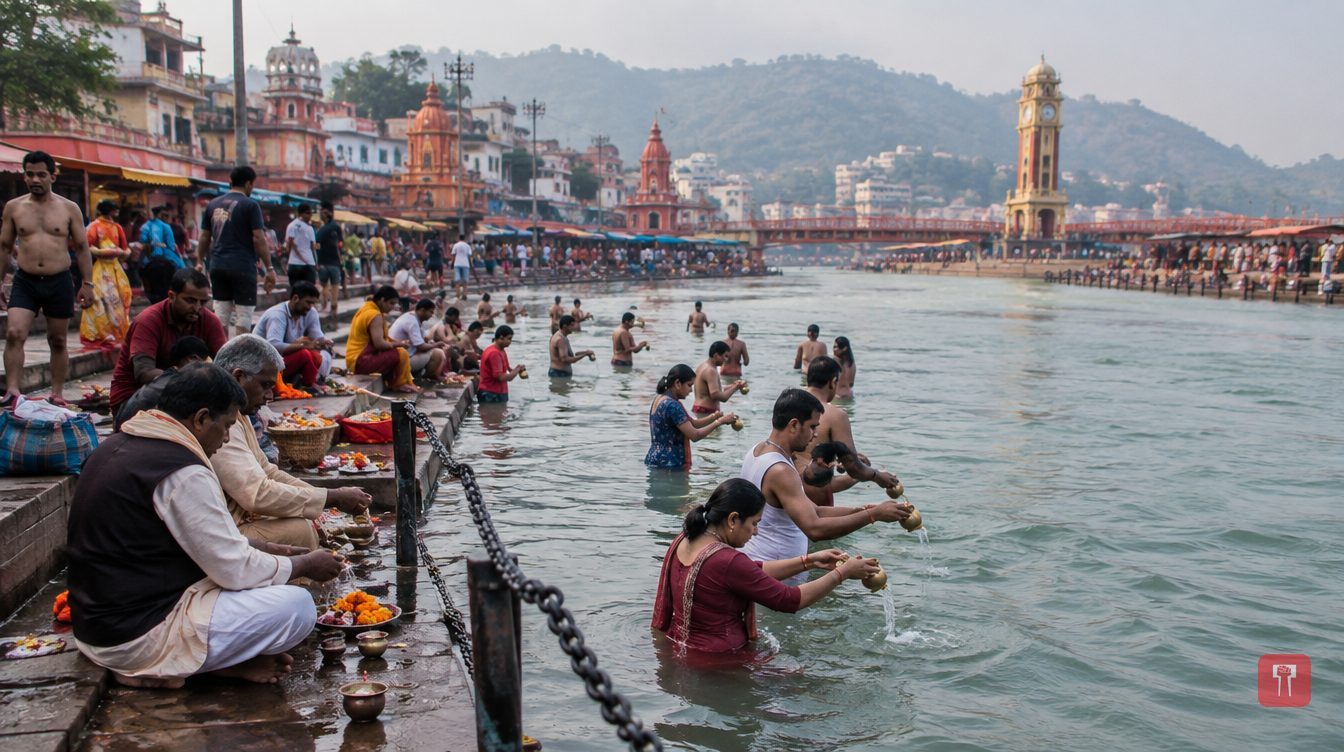 Images are not validated/verified
Devotees will bathe in holy rivers, perform ancestral rites and offer prayers to Lord Shiva on Somvati Amavasya, which falls on Monday, November 9.
An Amavasya (new moon day) that falls on a Monday is called Somvati Amavasya. This year it falls on November 9. The day is considered highly sacred in Hinduism. Devotees give alms and perform charitable acts, bathe in holy rivers, and offer pind daan or shraddha for the peace of the souls of their ancestors. Heavy crowds gather at some of the country's major temples and pilgrim centres on this day.
In Haridwar, the biggest crowd in the country on Somvati Amavasya gathers at Har Ki Pauri ghat. According to the scriptures, bathing in the Ganga on this day frees a person from all sins and brings lasting merit. Lakhs of devotees from across the country arrive early in the morning for the Ganga bath. After bathing, people worship Lord Shiva and perform pitru tarpan, or prayers for their ancestors, at the ghat.
In Ujjain in Madhya Pradesh, the city of Lord Shiva and Kalbhairav, the crowds are unprecedented on this day. Because Amavasya falls on a Monday, miles-long queues form for the early-morning "Bhasma Aarti" and darshan at the Mahakaleshwar temple, one of the 12 Jyotirlingas. Devotees take a holy dip in the Shipra river. Large crowds also gather at Triveni ghat to worship the Navagraha and Shani Dev. Rituals such as "Narayan Bali" are performed on a large scale to remove pitru dosh.
Kashi, or Varanasi, in Uttar Pradesh is called the "Mokshanagari". Monday is Lord Shankar's day, and with Amavasya falling on the same day, the occasion carries double significance here. Lakhs of people arrive for darshan at the Kashi Vishwanath temple. Devotees bathe in the Ganga at Dashashwamedh ghat, Assi ghat and Manikarnika ghat. There is an old tradition in Kashi of performing pind daan on this day for the liberation of ancestors.
In Kurukshetra in Haryana, Brahma Sarovar is considered highly sacred for the Somvati Amavasya bath. According to mythology, bathing in the holy waters of Kurukshetra on this day brings as much merit as a bath taken during a solar eclipse. Lakhs of people gather here to perform pind daan and remember their ancestors.
In Prayagraj, a flood of devotees descends on the confluence of the Ganga, Yamuna and Saraswati on this day. It is believed that bathing at the Sangam frees a person from the cycle of birth and death. Along with the bath, charity is also given on a large scale, such as food and clothes. Hundreds of priests conduct ancestral worship for devotees on the ghats.
Rameswaram in Tamil Nadu, the foremost pilgrim centre of South India, also sees heavy crowds on this day. Because of its historical association with the Ramayana, the place is considered the best for ancestral rites. Devotees first bathe at "Agni Theertham" on the seashore. They then bathe in the water of the 22 holy wells, or theerthams, in the Ramanathaswamy temple complex. On Amavasya there is a special custom of "Thil Tharpanam", an offering made with sesame seeds.
Monday is Shiva's day, so people throng Shiva temples, especially the Jyotirlingas, for jalabhishek on this day. Those with pitru dosh in their horoscope visit riverbanks or particular temples to perform rituals for peace. On this day women also circumambulate a peepal tree 108 times for the long life of their husbands. Temples with old peepal trees in their premises therefore see large crowds of women.
Reach readers on the ward they actually live in.
Advertise with Prime Time 24Reach readers on the ward they actually live in.
Advertise with Prime Time 24Reach readers on the ward they actually live in.
Advertise with Prime Time 24Choose primetime24.com as a preferred source on Google Google shows more stories from your preferred sources in Top Stories.
Reach readers on the ward they actually live in.
Advertise with Prime Time 24
Comments
No comments yet. Be the first.