

Shardiya Navratri begins October 11: full list of nine daily colours and goddess forms
Shardiya Navratri runs from October 11 to 19, 2026, with a colour fixed for each of the nine days and a different form of the goddess worshipped daily.
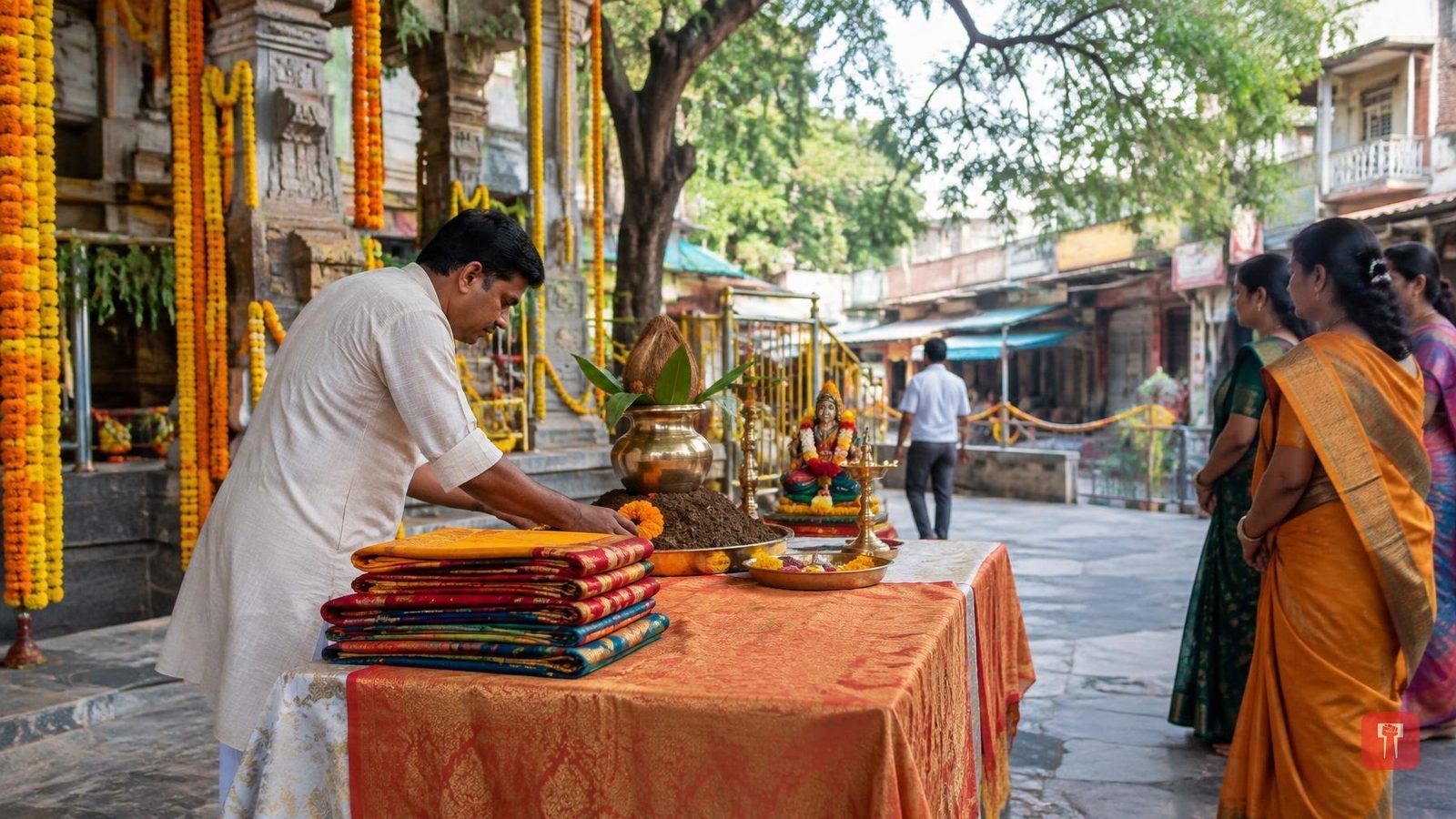
Shardiya Navratri this year begins on October 11, 2026, with Ghatasthapana. The festival will run from October 11 to 19. It is celebrated with enthusiasm and devotion across the country, including Maharashtra, and is considered a time for worshipping the nine forms of Adishakti. Over the nine days, nine different forms of the goddess are worshipped.
A colour has been fixed for each of the nine days, and devotees join the festivities wearing clothes in that colour.
By date, the festival begins on Sunday, October 11, with saffron, a colour regarded as a symbol of energy, vitality and enthusiasm. On Monday, October 12, people will be seen in white, the colour of peace and purity. On Tuesday, October 13, red, the colour of love and enthusiasm, will be the main attraction.
Blue is fixed for Wednesday, October 14, yellow, full of vitality, for Thursday, October 15, and green, which connects people to nature, for Friday, October 16. In the second half of the festival, grey will be the colour on Saturday, October 17, purple on Sunday, October 18, and peacock green on Monday, October 19. The festival will conclude with peacock green.
Over the nine days, these colours will draw great enthusiasm among schoolchildren, college students, various mandals and women. Offices, housing societies and public places will also host competitions, cultural programmes and shows themed on the colours. These events will not only bring a riot of colour but also increase community bonding and the exchange of joy.
Here is the list of the goddess's forms and their colours. On the first day, Pratipada, Shailputri is worshipped and the colour is white. She holds a trident in one hand and a lotus in the other. White is regarded as a symbol of purity, peace and cleanliness.
On the second day, Dwitiya, Brahmacharini is worshipped and the colour is red. The goddess, who performed severe penance, holds a rosary and a kamandalu. This form symbolises knowledge, penance and restraint. Red is regarded as a symbol of energy, courage, valour and love.
On the third day, Tritiya, Chandraghanta is worshipped and the colour is blue. A bell-shaped crescent moon adorns her forehead, hence the name. This form is believed to destroy all the troubles of devotees. Blue symbolises the vast sky, stability and peace.
On the fourth day, Chaturthi, Kushmanda is worshipped and the colour is yellow. She is regarded as Adishakti because she created the entire universe with her gentle smile. Yellow symbolises vitality, joy, positive energy and intelligence.
On the fifth day, Panchami, Skandamata, the mother of Kartikeya (Skanda), is worshipped and the colour is green. She is seated on a lotus. This form symbolises the love between mother and child. Green is regarded as a symbol of nature, prosperity, new beginnings and growth.
On the sixth day, Shashthi, Katyayani is worshipped and the colour is grey. Pleased by the penance of the sage Katyayan, the goddess was born as a daughter in his home, hence the name Katyayani. This form is regarded as extremely radiant and a warrior form. The colour reflects the strength to face adversity and a hardworking nature.
On the seventh day, Saptami, Kalaratri is worshipped and the colour is orange (saffron). She is the fiercest form of Goddess Parvati, with a dark complexion and loose hair. This form is known for destroying darkness and evil. The colour is regarded as a symbol of enthusiasm, radiance, energy and valour.
On the eighth day, Ashtami, Mahagauri is worshipped and the colour is peacock green. She is called Mahagauri because of her very fair complexion. This form is considered extremely calm and restrained, and the fulfiller of all the wishes of devotees. Kanya puja has special significance on Ashtami. The colour is regarded as a symbol of unique beauty, intelligence and prosperity.
The ninth day, Navami, is the last day of Navratri and is dedicated to Siddhidatri. She is the goddess who grants all kinds of siddhi and knowledge. The colour of the day is purple, regarded as a symbol of spirituality, high thinking, grandeur and self-confidence.
