

Saudi top court quashes Sri Lankan's death sentence a day before two Bangladeshis were executed
Saudi Arabia's highest court overturned Anojan Sivarasa's death sentence on October 13, a day before two Bangladeshi workers were executed, reviving debate on diplomacy.
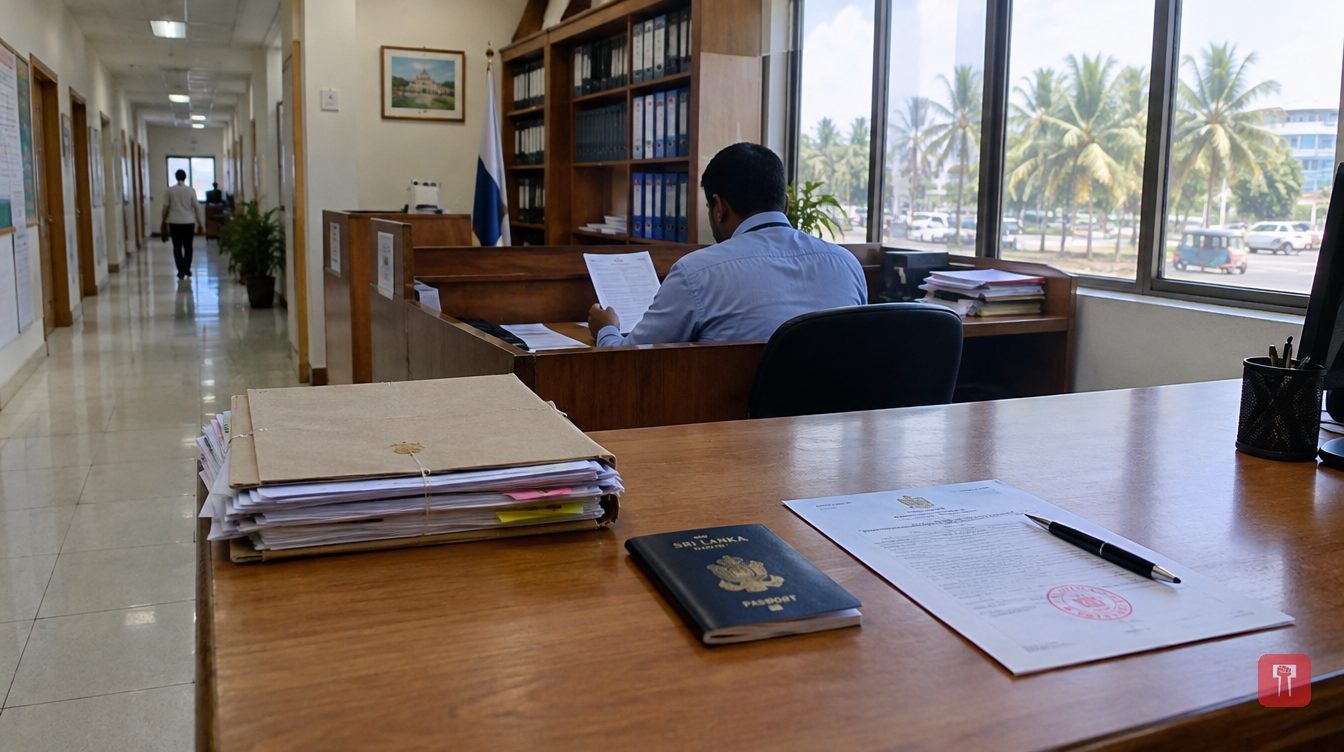 Images are not validated/verified
Questions are being raised over Dhaka's diplomacy after two Bangladeshi nationals were executed in Saudi Arabia. Meanwhile, Sri Lanka has succeeded in getting the death sentence of one of its citizens overturned. Saudi Arabia's highest court has quashed the death sentence of Sri Lankan national Anojan Sivarasa.
The contrast between the two cases has revived a strong debate on how important legal help from embassies and active diplomacy are for workers employed abroad.
According to available information, two Bangladeshi nationals working in cleaning and labour in Saudi Arabia, Nazrul Islam and Sweety Akhter, were executed on October 14. According to Saudi officials, a court had convicted them of committing immoral acts in a mosque in Mecca. The Bangladesh government and its embassy learned of it only after the executions. There is considerable anger in Bangladesh over the secrecy in the case and the lack of any opportunity for a legal defence.
According to the Saudi Interior Ministry, both had been given the severe sentence under the "tazir" category of Islamic law. Nazrul was from Brahmanbaria in Bangladesh and Sweety was a resident of Tangail. Both worked for the Al-Majal company in Saudi Arabia. The question being asked is why they did not receive full legal help from the Bangladeshi embassy from arrest to sentencing, and why the consular rights under Article 36 of the Vienna Convention were not acted on. This has raised serious questions about the Bangladesh government's international conduct.
Anojan Sivarasa's case, by contrast, was entirely different. He was accused of commenting on social media during a religious controversy. On this, the Al-Ahsa court in Saudi Arabia convicted him of blasphemy. He was initially sentenced to five years and fined 3 million Saudi riyals, but an appeals court changed the sentence directly to death. Sivarasa had deleted the post and also shared a video of apology, yet he faced this harsh action.
When the case came to the notice of Sri Lanka's Foreign Ministry, Colombo acted without a moment's delay. Sri Lanka immediately activated its ambassadors in Saudi Arabia. The ambassadors visited Sivarasa in prison themselves and encouraged him. Sri Lanka also deployed a special team of legal experts to appeal to the higher court in Saudi Arabia. The Foreign Ministry kept up high-level diplomatic talks with the Saudi administration and made full use of its right under the Vienna Conventions to protect its citizen.
These sustained and effective diplomatic efforts finally paid off on October 13. Saudi Arabia's highest court issued a historic order quashing Sivarasa's death sentence. Notably, the decision came just one day before the Bangladeshi nationals were executed.
Sri Lanka's success has underscored the importance of timely consular help for workers stranded abroad and of government action. The episode has set off wide discussion across Asia on the rights of migrant workers and the responsibility of governments in times of crisis.

Comments
No comments yet. Be the first.