

RBI lets people without bank accounts send money through NEFT and cash pay-out at branches
 Images are not validated/verified
The Reserve Bank of India has issued consolidated guidelines on domestic money transfers, with caps on cash pay-outs and new safeguards.
The Reserve Bank of India on Wednesday issued fresh guidelines that bring together the rules on sending money within the country.
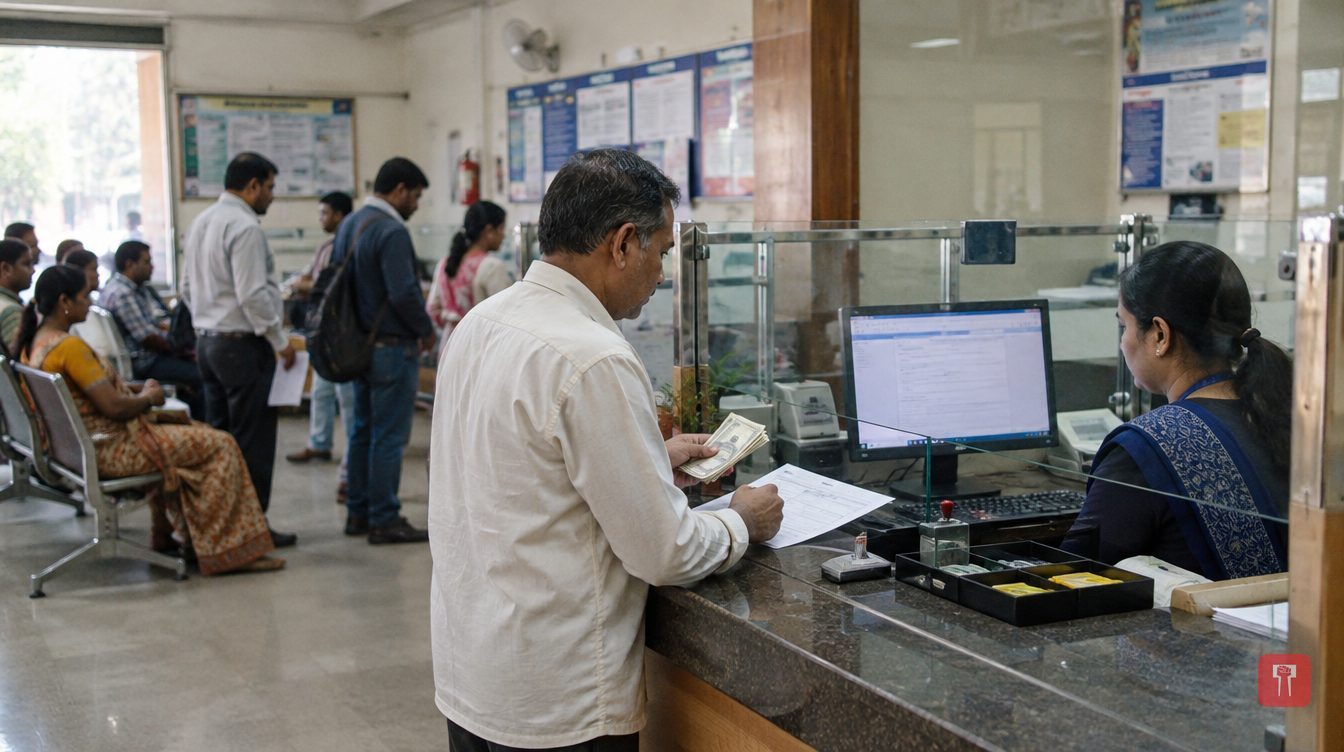
Under them, any person who walks into a bank branch will be able to send money through NEFT even if they do not have a bank account. The amount will reach the recipient's bank account directly. The central bank has clarified that a customer visiting a branch can send up to Rs 50,000 through NEFT.
Under the "cash pay-out" service, a maximum of Rs 10,000 can be sent in a single transaction. The monthly limit for each recipient has been set at Rs 25,000.
Banks are permitted to offer services that allow their customers to have cash paid from their accounts to people who do not have a bank account. The cash can be given through an ATM or through an agent appointed as a "business correspondent".
Under this cash withdrawal facility, banks can send money from a customer's account to people who have no bank account. These people can withdraw the amount through an ATM, a BC (business correspondent) or another authorised payment channel. Here too, the limit is Rs 10,000 per transaction and Rs 25,000 a month for each recipient.
The sending banks and business correspondents will have to register customers for cash deposit services under the RBI's "Know Your Customer (KYC) Directions, 2025". A verified mobile number and a self-attested "officially valid document", or OVD, will be required. Every transaction must be verified with an "additional authentication factor", or AFA.
Banks and non-bank payment operators will also have to put safeguards in place. These include "velocity checks" and sending customers alerts about credits received through these facilities. Any unusual rise in the amount credited to an account or a group of accounts should be examined immediately. Suspicious transactions should be reported to the concerned authorities.
Reach readers on the ward they actually live in.
Advertise with Prime Time 24Reach readers on the ward they actually live in.
Advertise with Prime Time 24Reach readers on the ward they actually live in.
Advertise with Prime Time 24Choose primetime24.com as a preferred source on Google Google shows more stories from your preferred sources in Top Stories.
Reach readers on the ward they actually live in.
Advertise with Prime Time 24
Comments
No comments yet. Be the first.