

HDFC Bank raises MCLR by 5 to 15 basis points, loan EMIs set to rise
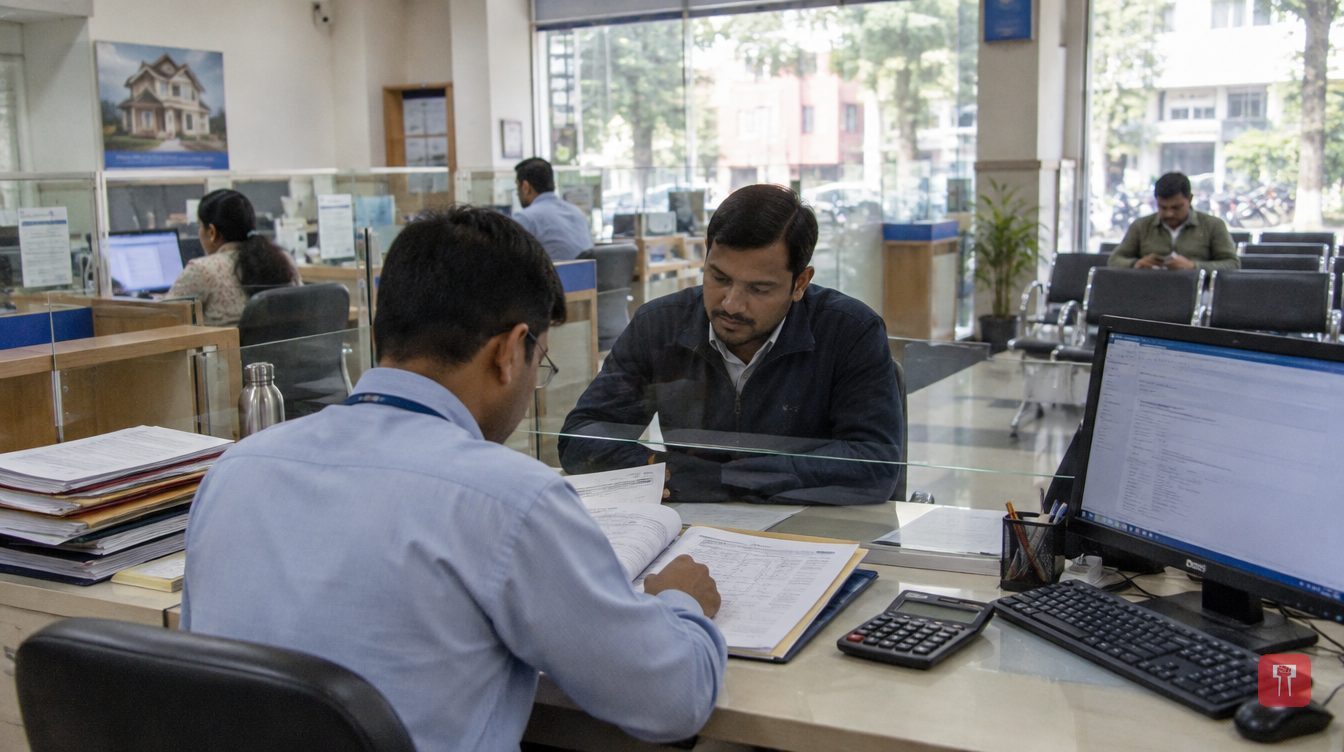 Images are not validated/verified
HDFC Bank has raised its marginal cost of funds-based lending rate by 5 to 15 basis points across tenors, effective November 7, 2026, making loan EMIs costlier.
HDFC Bank has raised its MCLR, or marginal cost of funds-based lending rate. The bank has increased the rate by 5 to 15 basis points (bps) for different tenors. As a result, EMIs will become costlier for those who have taken a home loan, personal loan or any other loan from HDFC Bank.
The new rates came into effect on November 7, 2026. After the change, the bank's MCLR now ranges between 7.85 per cent and 8.70 per cent. Earlier, the range was 7.75 per cent to 8.55 per cent.
By tenor, the overnight MCLR was 7.80 per cent in October 2026 and is now 7.85 per cent, an increase of 5 basis points, or 0.05 per cent. The one-month rate has risen from 7.75 per cent to 7.85 per cent, an increase of 10 basis points, or 0.10 per cent. The three-month rate has gone up from 7.95 per cent to 8.05 per cent, also an increase of 10 basis points.
The six-month rate has risen from 8.15 per cent to 8.30 per cent. The one-year rate has gone from 8.30 per cent to 8.45 per cent, and the two-year rate from 8.40 per cent to 8.55 per cent. The three-year rate has risen from 8.55 per cent to 8.70 per cent. The increase across these four tenors is 15 basis points, or 0.15 per cent.
MCLR is the minimum interest rate below which a bank cannot lend to any customer. In other words, it is the base rate for lending by banks. If your home loan, car loan or personal loan is linked to MCLR, this change will directly affect the interest rate or tenor of your loan.
However, your EMI will not necessarily go up immediately. Floating-rate MCLR loans have a fixed date on which the interest rate is reset. Under the loan agreement, the EMI will rise only when your next reset date arrives. If your loan is linked directly to the Reserve Bank's repo rate, this MCLR increase will not affect you.
MCLR differs from the repo rate in that it depends entirely on the bank's own internal costs. If people are depositing less money in the bank's fixed deposits (FDs), the bank raises FD interest rates to attract customers and raise more funds. When the bank has to pay more interest on FDs, its costs go up. To make up for this, the bank raises its MCLR.
The repo rate is the rate at which the RBI lends to the country's banks. If the RBI raises the repo rate, banks will have to raise loan interest rates over the next few months. Similarly, if the repo rate is cut, banks will have to lower interest rates.
Reach readers on the ward they actually live in.
Advertise with Prime Time 24Reach readers on the ward they actually live in.
Advertise with Prime Time 24Reach readers on the ward they actually live in.
Advertise with Prime Time 24Choose primetime24.com as a preferred source on Google Google shows more stories from your preferred sources in Top Stories.
Reach readers on the ward they actually live in.
Advertise with Prime Time 24
Comments
No comments yet. Be the first.