

Nagpur cyber police bust mule account network: 11 held in 388 complaints, Rs 103 crore routed
Police have arrested 11 people from several states in cases where Rs 103 crore passed through suspected mule accounts opened on misused identity documents.
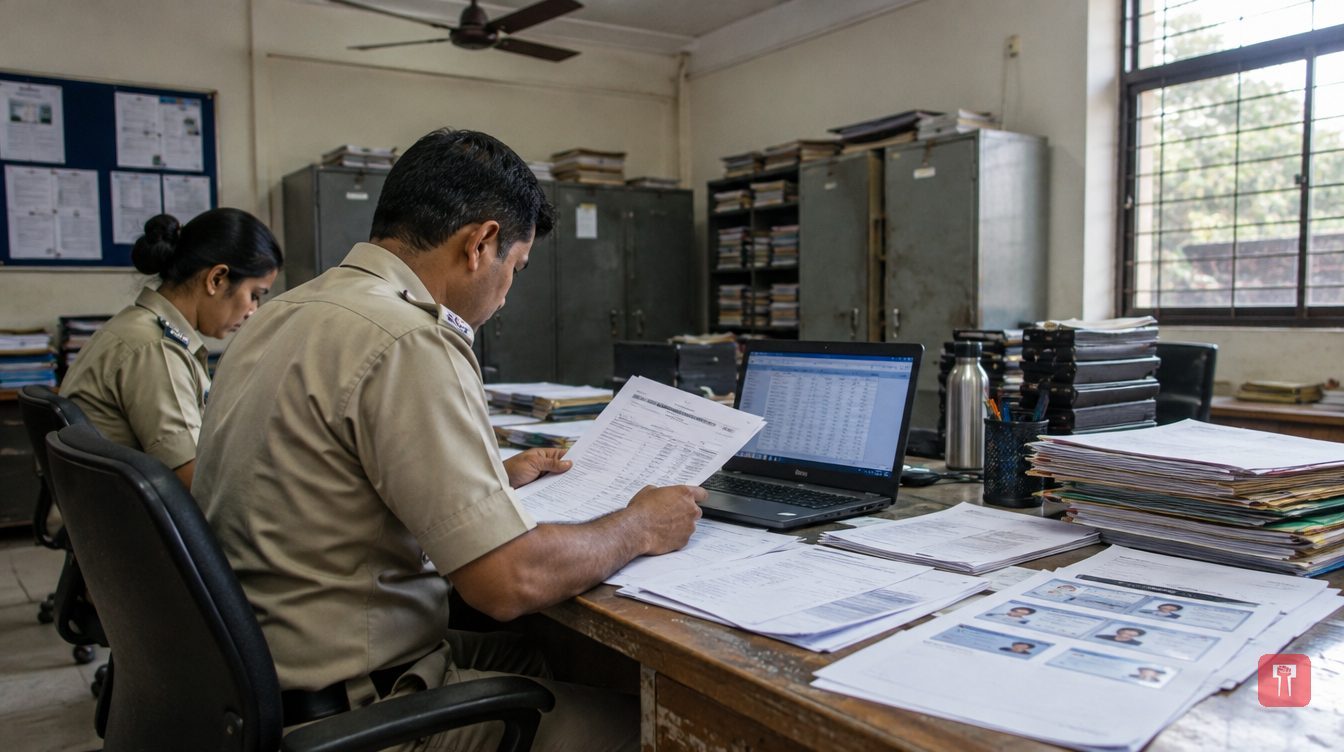 Images are not validated/verified
Nagpur: Many ordinary people now find themselves caught up in cyber crime investigations. It is alleged that bank accounts were opened by misusing their identity documents, and that money taken from fraud victims was then routed through these accounts. An investigation by Nagpur cyber police has revealed the scale of the network. In cyber fraud cases linked to the city, Rs 103 crore was routed through suspected mule accounts.
Police have arrested 11 people from different states in connection with 388 complaints. It is alleged that the network had the proceeds of cyber fraud sent into bank accounts opened on misused identity documents and then forwarded them. The money trail extends beyond Maharashtra. The complaints are also linked to Gujarat, Rajasthan, Goa, Andhra Pradesh, Telangana and Karnataka.
The case exposes a major weakness in cyber crime. Fraudsters do not need to run bank accounts in their own names. It is alleged that they use the identities of unsuspecting people to put another layer between themselves and the stolen money. This makes it harder to identify the real beneficiaries and to get the money back.
Mule accounts are bank accounts into which illegally obtained money is received, held or sent onward. In cyber fraud, such accounts often act as intermediaries between the victim's account and those running the crime.
According to the Nagpur cyber police investigation, accounts were opened using some people's identity documents without their knowledge. Money obtained through fraud later came into these accounts and was sent on to other accounts. This made it difficult for investigators to establish the full path of the money.
The method creates many layers of transactions. After money arrives in one account, it can move to other accounts in different banks and states. This makes it hard to trace the real beneficiary, identify those operating the accounts and freeze the money before it is withdrawn or moved on.
For those whose documents were allegedly misused, the trouble does not end with identity theft. Their names and bank details can surface in a police investigation, and they may then face questioning about transactions they know nothing about.
The investigation over the past two years has found links to complaints from Maharashtra, Gujarat, Rajasthan, Goa, Andhra Pradesh, Telangana and Karnataka. Investigators suspect the accused worked in coordination, received money from cyber fraud and routed it through many bank accounts. The use of accounts with different identities took the money away from its real destination and made it hard to follow.
The figure of Rs 103 crore is the total amount that passed through suspect accounts in the cases under investigation. It should not be taken to be the amount recovered, the total loss of the complainants, or the full amount attributable to each arrested accused.
In investigating such networks, determining the role of account holders, identifying those who procured the accounts and reaching the final recipients of the money are key tasks. The geographical spread of the complaints also shows the challenge before cyber police. Transactions can cross state boundaries in a short time, so coordination is needed to collect financial records, account details and evidence from many places.
The alleged misuse of documents raises the questions of how the bank accounts were opened, who supplied the documents and who was operating the accounts once they were active. It must also be established whether those named in the account records were knowingly part of the transactions or whether their identity was used without consent. The difference matters, because the account holder on paper is not necessarily the person who moved the money. Investigators also have to find out how the accounts were linked to the network, who held the banking credentials and where the money went after leaving the initial accounts.
Answers to these questions could allow police to move beyond the accounts through which the money passed to the entire network. The case is also a warning to the public to be careful when handing over identity documents, bank details or access to accounts. No one should allow another person to receive or send money through their account without a valid and verified reason. Anyone who suspects their documents have been misused should immediately inform the bank and report to the police.
Nagpur police have also taken steps to stop money lost to fraud from being scattered and to return it to victims. This year, police have frozen Rs 3.20 crore linked to fraudulent transactions in various bank accounts. According to information provided by the police, Rs 1.75 crore of this has already been returned to victims. The remainder is expected to be returned to the complainants once the prescribed legal process is complete.
In cyber fraud cases, freezing suspect money early can be very important. Money passing through many accounts can be withdrawn or sent on before an investigation catches up. Timely action can save at least some of the money for return, although freezing does not guarantee that every victim will recover the full loss. The money returned to victims shows that it is important to report fraud quickly and to start action through the bank and police while a trace of the money can still be found.
The investigation brings out two linked challenges. One is to break the network that procures and operates mule accounts. The other is to ensure that money reaches victims before it vanishes in a stream of transactions. The 11 arrests and the investigation of 388 complaints are important steps, but the full extent of the network will depend on how those who procured accounts, the final recipients of the money and the roles of individual account holders are identified.
For victims, the first need is to get back their hard-earned money. The bigger task before investigators is to establish how the accounts were opened and who was operating them, to trace the money beyond the initial transfers and to hold those responsible to account. The Nagpur case shows that cyber fraud is not limited to a fraudulent phone call, message or online transaction. Behind digital deception there can be a web of bank accounts and money transfers that keeps fraudsters away from the stolen money and makes recovery harder.

Comments
No comments yet. Be the first.