

Nagpur court acquits Ashok Potbhare in Rs 40 lakh cheque bounce case
A Nagpur court has acquitted the proprietor of Shri Hanuman Minerals in a Section 138 case filed by Sunflag Iron and Steel Company Limited.
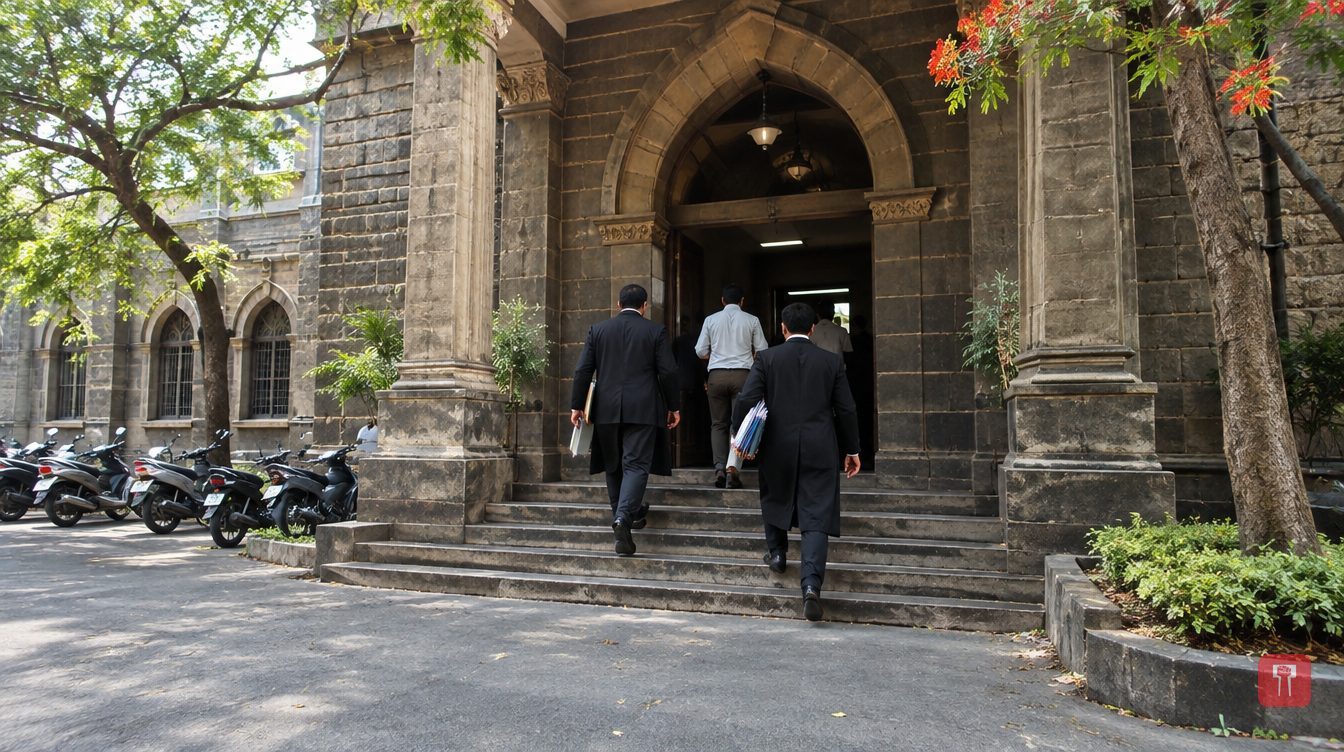 Images are not validated/verified
A Nagpur court has acquitted Ashok Potbhare, proprietor of Shri Hanuman Minerals, in a Rs 40 lakh cheque bounce case. The complaint was filed by Sunflag Iron and Steel Company Limited under Section 138 of the Negotiable Instruments Act. Judge A.V. Dakhore, Special Judge, Section 138 NI Act, Nagpur, delivered the verdict.
The judge heard both sides. The points that emerged in the cross-examination of the complainant company's witness and the documents produced by the defence were also considered. The decision to acquit the accused followed.
The company alleged that after a business transaction involving the processing of manganese ore, the accused had a legal liability of Rs 40 lakh, and that the cheque was issued in payment of it. The defence told the court that the cheque was given as security, not in payment of a proven legal liability. It also questioned the knowledge of the company's witness, the documents of the alleged agreement and the company's evidence.
According to the complaint, the dispute stemmed from a business agreement of 2013. That year Sunflag Iron and Steel Company Limited and Shri Hanuman Minerals agreed that manganese ore would be processed to make silico manganese. The company alleged that it had supplied a total of 857.135 metric tonnes of manganese ore for this.
The company said that of the silico manganese produced, only 40.530 metric tonnes was allegedly returned by the accused. It alleged that the remaining 735.545 metric tonnes of manganese ore was not returned. The company said that under the agreement the accused was responsible for returning the material, but allegedly did not. The dispute over the outstanding material and its value then grew and reached a claim for payment.
The complaint also alleges that a meeting of both sides was held in 2014 to settle the dispute. According to the company, the accused allegedly agreed at that meeting to return the remaining manganese material. The complainant alleged that the material was still not returned.
The company claimed that the accused then issued a cheque for Rs 40 lakh towards the alleged dues. The cheque was dishonoured when presented at the bank. The complaint said the company sent a legal notice demanding payment but did not receive the amount. On this basis it filed the complaint under Section 138. Besides the principal of Rs 40 lakh, the company had also sought a total of Rs 80 lakh including compensation.
Advocates Kamal Satuja, Kailash Dodani and Akbar Sheikh appeared for the accused, Ashok Potbhare. The defence said the accused had been falsely implicated. It said the cheque was given only as security and the company later used it against the accused. The advocates argued that the mere issuing and dishonour of a cheque does not automatically prove a liability of Rs 40 lakh, and that the complainant must produce the necessary evidence to prove it.
The defence said the documents of the alleged business agreement and the later meeting that were cited do not establish a liability of Rs 40 lakh. In support, it drew the court's attention to the relevant correspondence and other documents. According to it, a letter from the company and the accused's reply show that the cheque was given as security.
At the hearing the company produced one of its authorised representatives as a witness. Advocate Dilip Daga appeared for the company. In cross-examination the defence questioned the witness's knowledge. According to its submission, the witness admitted that he had no direct knowledge of the original transaction between the company and the accused.
The defence also said that the alleged work order and the terms of the agreement were stated to bear the signatures of another company official, Jagish Jha, but he was not produced as a witness. The advocates argued that this raises a question over the sufficiency of the company's evidence. They also cited several judgments of the Supreme Court and the Bombay High Court and sought the acquittal of the accused.
With this verdict, the proceedings on the company's complaint ended in favour of the accused. The court's legal grounds will become clearer once the detailed order and its findings are available.

Comments
No comments yet. Be the first.