

Nagnath Maharaj, revered as an avatar of Sheshnag, and the legend of the dry banyan at Wadwal
 Images are not validated/verified
Shri Vatsiddha Nagnath Maharaj is counted among the Navnaths, and his main shrine is at Wadwal in Mohol taluka of Solapur district, Maharashtra.
Shri Vatsiddha Nagnath Maharaj is regarded as a highly revered saint of the Nath Panth and the Navnath tradition, known for his miracles. His name is in the main list of the Navnaths. He is also known as Nageshnath or Nagnath.
According to the tale in the Navnath Bhaktisar text, Nagnath Maharaj is considered an avatar of Sheshnarayan, or Sheshnag. When the Navnaths took birth on earth at the command of Lord Dattatreya, he is said to have originated from a part of Sheshnag beneath a banyan tree. This is why he is called Vatsiddha Nagnath.
On the name Vatsiddha, it is believed that the Maharaj performed severe penance sitting beneath banyan and audumbar trees. Devotees believe that through the power of his austerities and his spiritual accomplishments he held sway over nature, especially banyan trees. He is said to have practised yoga beneath a banyan for many years without food, living on air alone. This earned him the title Vatsiddha.
Nagnath Maharaj is regarded as master of the Ashtasiddhis and the nine Nidhis. He had extraordinary yogic powers. As an avatar of Sheshnag, lord of Nagalok, he was held to have complete command over snakes and the serpent race. Many miracles of healing snakebite victims and drawing out poison are attributed to him. He travelled across India spreading the Nath Panth, the name Alakh Niranjan and the science of yoga. Like Gorakshanath, he too gave society a message of equality and devotion.
His main and highly revered seat is at Wadwal, in Mohol taluka of Solapur district, Maharashtra. The Nagnath Maharaj temple at Wadwal is a centre of faith for lakhs of devotees. The land is also called the land of the Sanjeevani radish. A large yatra is held here every year on Nag Panchami and Mahashivratri. An ancient and important seat of Nagnath Maharaj is also believed to exist at Shirad Shahapur in Parbhani district.
According to the Navnath Bhaktisar and other Nath texts, Nagnath Maharaj holds an unshakeable place among the nine Naths who came after Machhindranath and Gorakshanath. He initiated many disciples and carried the Nath Panth tradition forward. He was not merely a yogi. Through his miracles and the power of his austerities, he relieved the suffering of ordinary people. For this reason he is still held in respect in the Nath sampradaya.
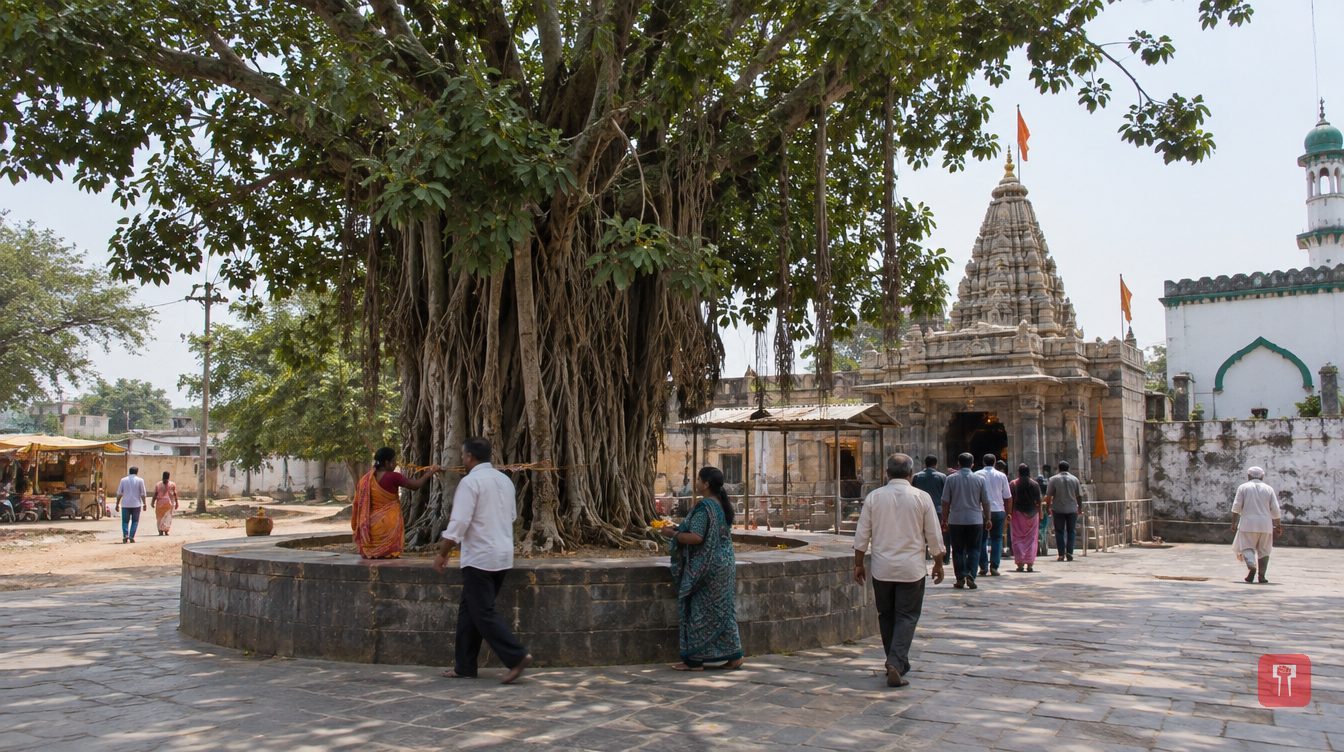
The best-known legend linked to Wadwal is that of the dry banyan. In earlier times Wadwal was a dense forest. Pleased by the devotion of his devoted follower Hegaras, Nagnath Maharaj came here. On reaching the village, he planted a branch of a dry banyan in the ground and watered it. Through the power of his austerities, life returned to the dry branch and green shoots sprouted on it. According to the legend, this miracle gave the land the name Wadwalsiddha, or Wadwal.
A distinctive tradition of Hindu-Muslim unity can still be seen at Wadwal. There is a mosque within the temple premises. During the festival and in the Seemollanghan palanquin procession, the Muslim saint Sheikh Nasiruddin Badshah is hailed first, followed by cries of "Har Har Mahadev".
Reach readers on the ward they actually live in.
Advertise with Prime Time 24Reach readers on the ward they actually live in.
Advertise with Prime Time 24Reach readers on the ward they actually live in.
Advertise with Prime Time 24Choose primetime24.com as a preferred source on Google Google shows more stories from your preferred sources in Top Stories.
Reach readers on the ward they actually live in.
Advertise with Prime Time 24
Comments
No comments yet. Be the first.