

Match Group partners with Home Ministry's I4C to fight online romance scams in India
Match Group, parent of Tinder, Hinge and The League, will run an awareness campaign on romance scams with the Indian Cybercrime Coordination Centre under the Union Home Ministry.
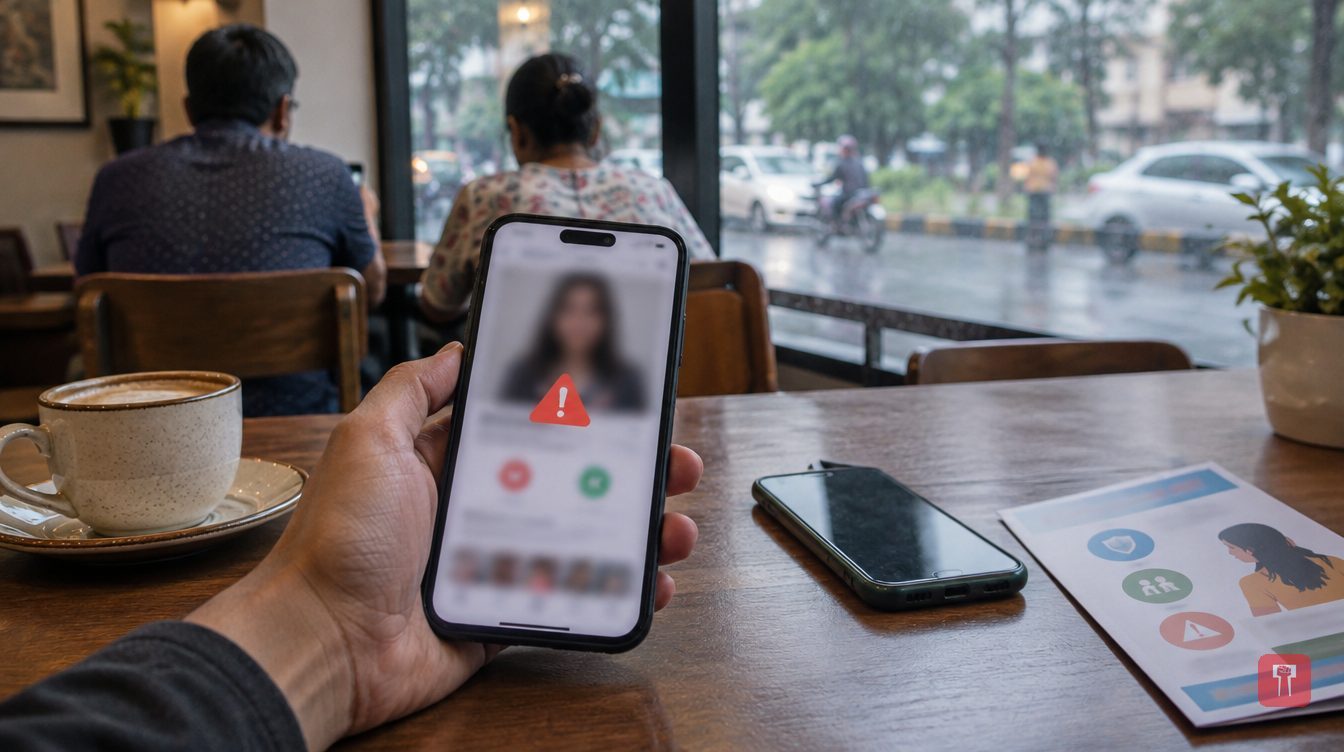 Images are not validated/verified
Match Group, the parent company of brands such as Tinder, Hinge and The League, today announced a partnership with the Indian Cybercrime Coordination Centre (I4C), which comes under the Union Home Ministry. The announcement was made at the second edition of the Trust & Safety festival held in India. Under the partnership, an awareness campaign on romance scams will be run in the country.
The campaign will teach people who date online to recognise common methods of fraud and explain what the warning signs are. It will also give practical information on how to use government resources to file a cybercrime complaint and get help.
Romance scams can take many forms. Fraudsters often win trust over time and then try to obtain money or sensitive information. Match Group and I4C will together give daters information suited to conditions in India, so that people can recognise warning signs and know where to turn for help.
Tinder, Hinge and The League will share useful tips with users on their platforms and channels. The information builds on existing awareness messages on romance scams and has been made more effective with I4C's help, keeping India's local situation in mind. Users will be advised on five key points.
First, caution about moving the conversation to another platform. Users will be asked to be alert if a new acquaintance insists on switching platforms at once, especially if the person avoids a video call or meeting in person.
Second, making sure who is on the other side. Users should look for verification marks on profiles and consider a video call before meeting in person, to check whether what the other person says about themselves is true.
Third, rejecting suspicious investment and money advice. Users will be urged to be wary if a new acquaintance suggests cryptocurrency or investments, promises unusually high returns or dangles tempting earning opportunities.
Fourth, ignoring demands for money. Fraudsters may ask for money on many pretexts, such as visa fees, medical expenses, repairs or travel costs. Users will be reminded not to send money, gift cards or investment funds to someone they have met only online.
Fifth, guarding against attempts to win trust slowly. Some scams can run for weeks or months. Fraudsters first build a relationship and then ask for financial help. Users should take enough time to get to know a new acquaintance and avoid hasty decisions.
Yoel Roth, senior vice president at Match Group and head of its Trust and Safety division, said: "No single platform's effort is enough to create a safer online dating experience. The form of romance scams keeps changing. That is why collaboration across the world is needed among technology platforms, law enforcement agencies and other partners in the safety sector. Our partnership with I4C puts this thinking into practice in India. With our experience in trust and safety and the help of local experts, people will be able to recognise the signs of fraud and make wiser decisions while dating online. Safety must be a shared responsibility across the whole online dating ecosystem, and this is an important part of our continued commitment to that."
Nishant Kumar, head of I4C, said: "Being careful while trusting people online is just as important. Fraudsters create fake identities on dating apps or matrimonial websites. They exploit emotional bonds to win trust and then press for money to be transferred at once. I4C and the Home Ministry appeal to citizens to stay alert, properly check the identity of the person they are dealing with, not share personal information needlessly and keep confidential financial details safe. Anyone who falls victim to such fraud should immediately call the national cybercrime helpline number 1930 or file a complaint at cybercrime.gov.in."
Tinder's safety features include Face Check and Photo Verification, which help confirm that profiles are genuine. It also has tools such as "Are You Sure?" and "Does This Bother You?" to catch potentially harmful messages. For unwanted conversations, users can use Block, Report and Unmatch. Through Share My Date, users can share their date plans and location with trusted people.
Hinge recently announced a new experience for users in India that prioritises trust, privacy and mutual respect. Some new users will be placed on a waitlist after creating their profiles. The aim is that everyone on the platform dates seriously and with intent. While waiting for matching and liking to open up, users can add photos, answer prompts describing their identity and expectations, and verify their profiles.
The campaign begins as Match Group takes part in the Trust & Safety India (TASI) Festival in Delhi. The partnership holds an important place in Match Group's continuing efforts to increase cooperation and dialogue with different safety-sector partners in India.

Comments
No comments yet. Be the first.