

International Day for the Eradication of Poverty observed on October 17; events of the day in history
The day draws attention to poverty worldwide and to the need for steps to end it, and also marks births, deaths and events on this date.
 Images are not validated/verified
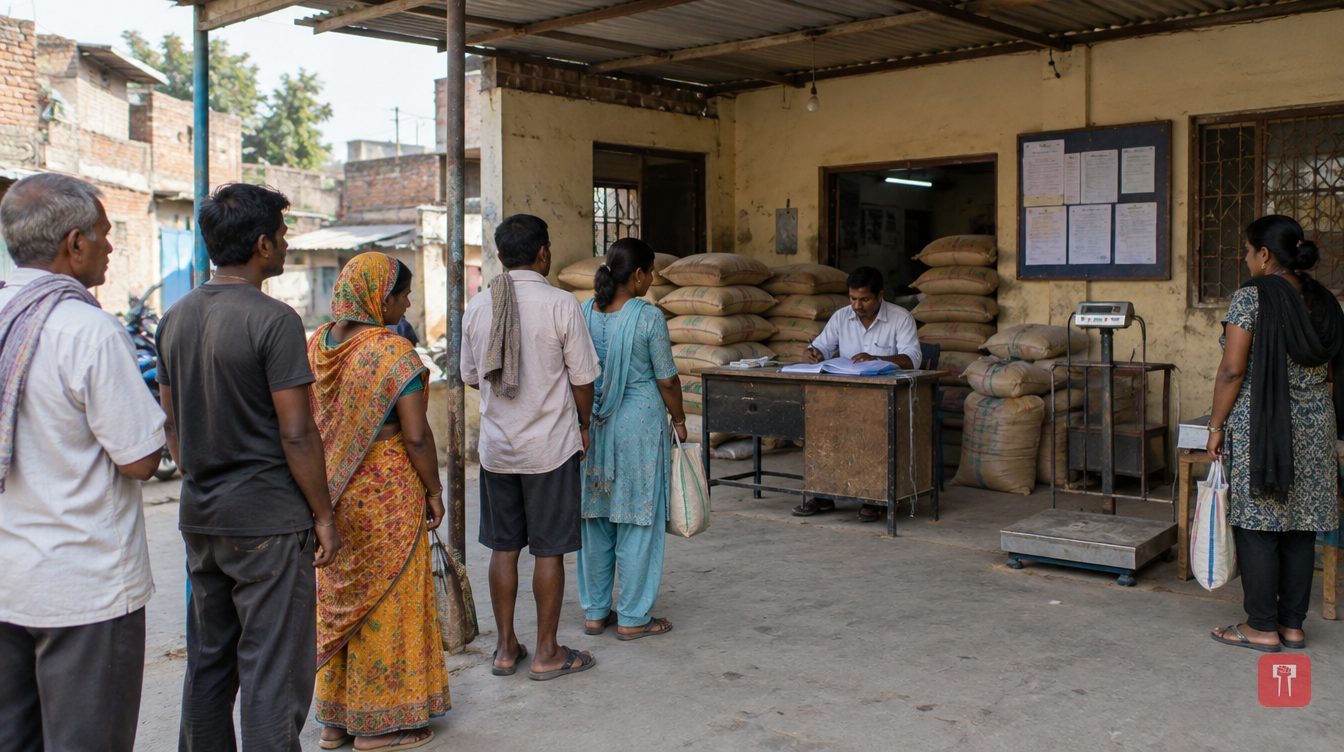
The International Day for the Eradication of Poverty is observed on October 17 every year. The aim of the day is to draw attention to the question of poverty across the world and to explain how important it is to take steps to end it.
Poverty is not merely a matter of lack of money. It also covers health, education, employment opportunities and people's living conditions. Many people in the world still live in extreme poverty and cannot get the basic means for a better life. To help such people out of the cycle of poverty, emphasis is laid on sustainable development, the development of the underprivileged sections of society and the creation of economic opportunities.
Now to history. In 1831, Michael Faraday proved the property of electromagnetic induction through experiments. In 1888, Thomas Edison filed a patent for the optical phonograph (the first film). In 1917, during the First World War, England carried out its first bombing raid on Germany. In 1931, the mafia don Al Capone was convicted of income tax evasion. In 1933, Albert Einstein fled Nazi Germany and reached the United States.
In 1934, Prabhat's film Amrutmanthan was released at the Prabhat Cinema in Pune. In 1943, the Burma Railway, the rail line from Rangoon to Bangkok, was completed. In 1956, the first commercial atomic power project was formally commissioned in England. In 1966, Botswana and Lesotho joined the United Nations. In 1979, Mother Teresa was awarded the Nobel Peace Prize.
In 1994, the National Institute of Virology (NIV), Pune, announced the Dr Sharadadevi Paul award for Dr T. Jacob John of Vellore for notable work in virology. In 1996, the actor Dr Shriram Lagoo was announced as the recipient of the Madhya Pradesh government's Kalidas Samman. In 1998, Fatima Bi, who built a model social service project in Andhra Pradesh, was given a United Nations award.
Among those born on October 17 are Sir Syed Ahmad Khan in 1817 (Indian educationist, social reformer and philosopher; died March 27, 1898). Pt Bhaskarbuwa Bakhale (vocal maestro, founder of the Bharat Gayan Samaj; died April 8, 1922) was born in 1869. Narayanrao Sopanrao Borawake (Krishi Shiromani, the first Marathi sugar mill owner; died February 16, 1968) was born in 1892, and Vishwanath Tatyasaheb Kore (founder of the Warna cooperative sugar factory; died December 13, 1994) in 1917.
Robert Atkins, originator of the Atkins diet (died April 17, 2003), was born in 1930. Also born on this date were the film actress, producer and director Simi Garewal in 1947, the actress Smita Patil in 1955 (died December 13, 1986), the Sri Lankan cricketer Aravinda de Silva in 1965 and the Indian cricketer Anil Kumble in 1970.
Among those who died on this date is Ahmad Shah Durrani, ruler of Afghanistan, in 1772. Dadoba Pandurang Tarkhadkar, English grammarian, author and religious reformer (born May 9, 1814), died in 1882, and the German physicist Gustav Kirchhoff (born March 12, 1824) in 1887. In 1906, the world-renowned philosopher and poet Swami Rama Tirtha took water samadhi (born October 22, 1873).
In 1981, the Indian writer, poet and lyricist Kannadasan (born June 24, 1927) died. In 1993, the film producer, director and screenwriter Vijayshankar Jagneshwar, also known as Vijay Bhatt (born May 12, 1907), died. In 2008, the belles-lettres writer Ravindra Pinge (born March 13, 1926) and Ben Weider, co-founder of the International Federation of Bodybuilding and Fitness (born February 1, 1923), died.
