

How one asura, Swarbhanu, became Rahu and Ketu in the churning of the ocean legend
 Images are not validated/verified
According to the Puranic tale of the churning of the ocean, the shadow planets Rahu and Ketu were born from the severed head and body of a single asura.
Rahu and Ketu, the two shadow planets, hold a special place in Indian culture, Puranic lore and Vedic astrology. They are counted among the Navagraha, the nine planets, but they are not directly visible celestial bodies. They are the points where the paths of the Sun and the Moon intersect. In astrology, they are linked to a person's karma, ambition, transformation, detachment and spiritual progress. Notably, the legend that both arose from the body of a single asura is found in the episode of the churning of the ocean (Samudra Manthan).
According to the Puranic tale, in ancient times the devas and danavas churned the Kshirsagar, the ocean of milk, to obtain amrit, the nectar of immortality. Fourteen jewels emerged from the churning. Among the last, Dhanvantari appeared carrying the pot of amrit. A clash between the devas and danavas over the amrit appeared likely. Lord Vishnu then took the beautiful form of Mohini and assumed the task of distributing it.
Mohini seated the devas and danavas in separate rows and began serving amrit to the devas. Seeing this, a cunning asura named Swarbhanu took the form of a deva and sat between the Sun and the Moon. Mohini gave him amrit too. But the Sun and the Moon recognised Swarbhanu and told Lord Vishnu of his trick.
Lord Vishnu at once cut off Swarbhanu's head with the Sudarshan Chakra. But because the amrit had touched him, his head and body had both become immortal. The head was named Rahu and the body Ketu. This is how two separate shadow planets came from one asura, as the Puranic tale is told.
It is believed that because Swarbhanu's secret was revealed, Rahu and Ketu are enemies of the Sun and the Moon. The Puranic account says that is why they try from time to time to swallow the Sun and the Moon, and an eclipse occurs. From the scientific viewpoint, solar and lunar eclipses are astronomical events caused by a particular alignment of the Earth, the Sun and the Moon. The two points at which the Moon's orbit and the Sun's apparent path cross each other are the astronomical basis of Rahu and Ketu. The northern point of intersection is called Rahu and the southern one Ketu.
In Vedic astrology, Rahu is considered the significator of ambition, material pleasure, unexpected events, foreign travel, fame, politics and technology. The astrological belief is that it fuels a person's desires, attractions and ambitions.
Ketu, in contrast, is considered the significator of detachment, spirituality, moksha, occult knowledge, introversion and self-realisation. Rahu pulls a person towards the outer world, while Ketu inspires them to look within. This is the symbolic division made between the two.
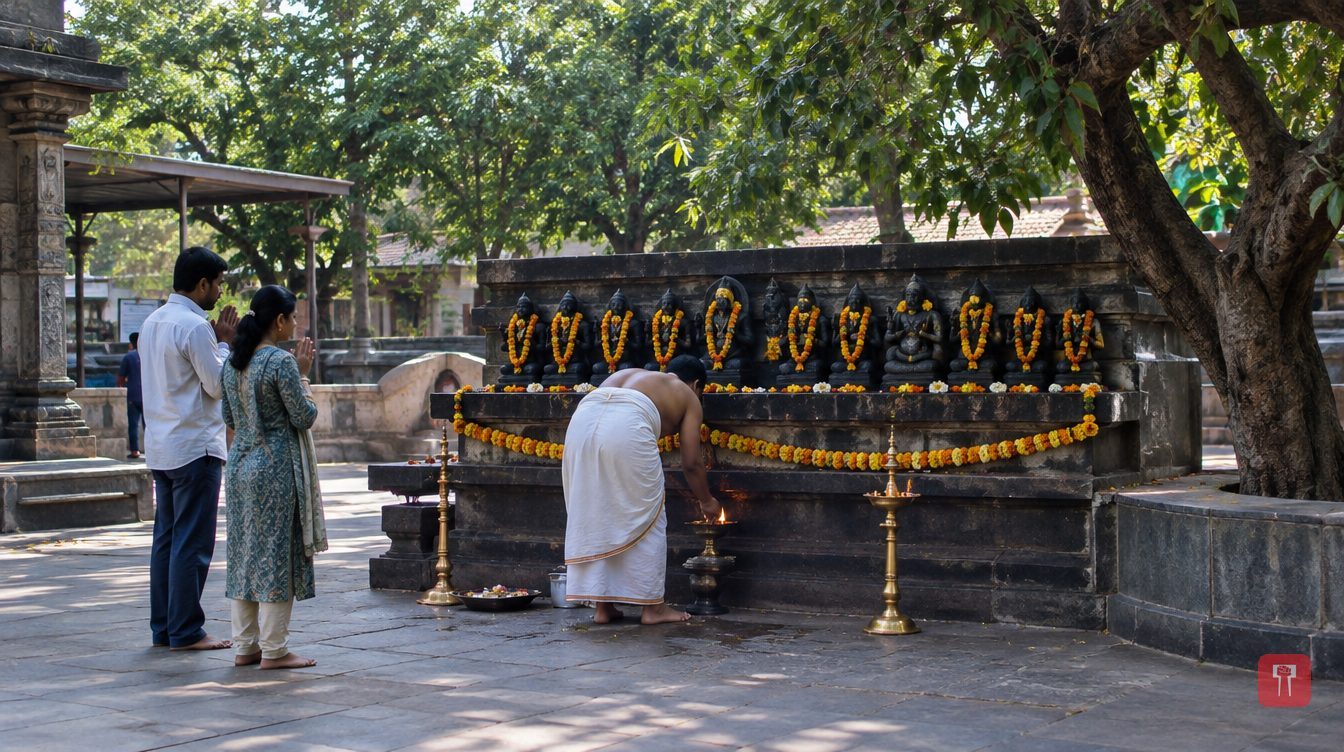
South India has a special tradition of worshipping Rahu and Ketu. In Tamil Nadu, the Rahu temple at Thirunageswaram and the Ketu temple at Keezhperumpallam are well known. Special pujas and abhishekams are performed there for planetary appeasement. In some places there is also a tradition of worship during Rahu Kalam.
According to astrological belief, it is not right to view Rahu and Ketu merely as inauspicious planets. They symbolise the fruits of karma, experience, challenges and change. The story of Swarbhanu in the churning of the ocean also carries the message that success won by deceit does not last and the truth finally comes out. The concept of Rahu and Ketu is a unique blend of Puranic legend, astronomy and astrological thought in Indian tradition.
Reach readers on the ward they actually live in.
Advertise with Prime Time 24Reach readers on the ward they actually live in.
Advertise with Prime Time 24Reach readers on the ward they actually live in.
Advertise with Prime Time 24Choose primetime24.com as a preferred source on Google Google shows more stories from your preferred sources in Top Stories.
Reach readers on the ward they actually live in.
Advertise with Prime Time 24
Comments
No comments yet. Be the first.