

How India's education changed since Independence: literacy up from 12 per cent to over 77 per cent
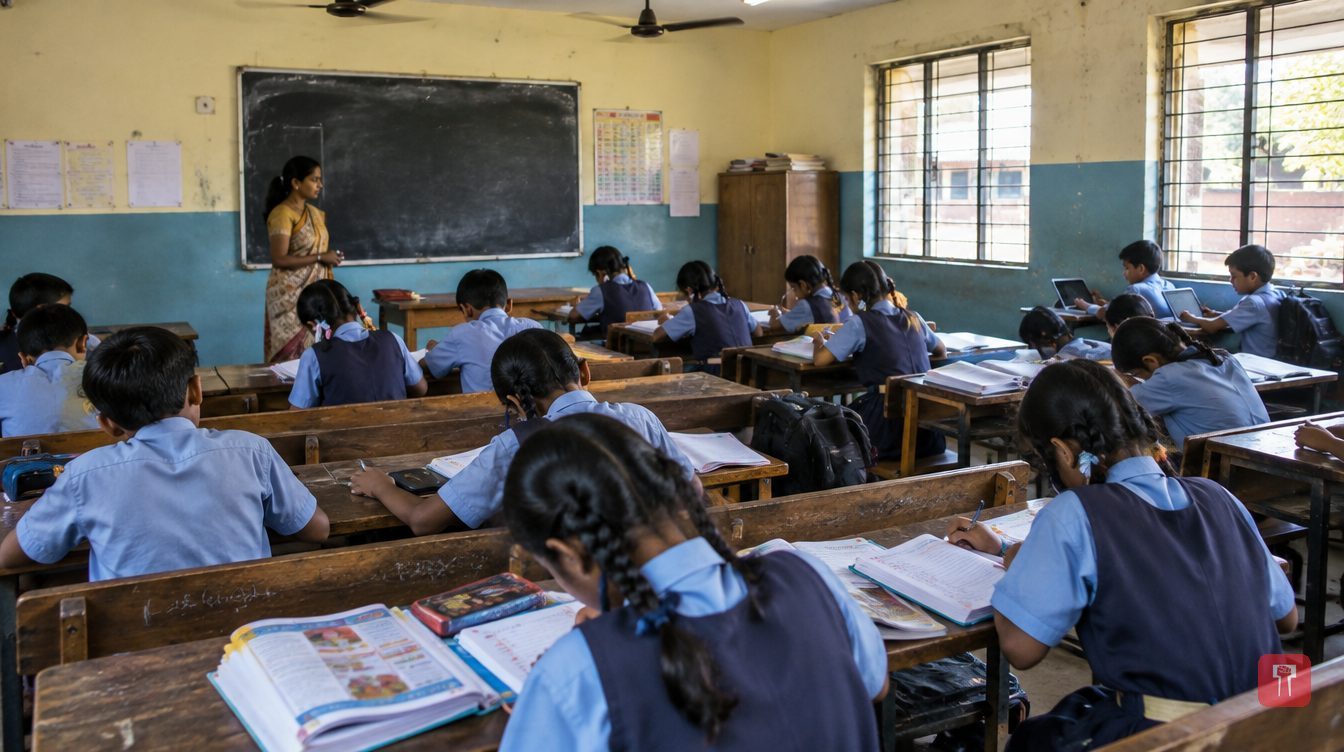 Images are not validated/verified
On National Education Day, a look at the major shifts in Indian education since 1947, from the UGC and the IITs to the Right to Education Act and NEP 2020.
When the country became independent in 1947, India's biggest challenges were to overcome poverty, unemployment and illiteracy. Before Independence, education was limited to a select few. Today it has reached crores of students. On National Education Day, here is a look at the major changes in education from Independence to now.
Maulana Abul Kalam Azad did the key work of laying the foundation of education in the country after Independence. Under his leadership the University Grants Commission (UGC) was established, which set the direction for standards in higher education. World-class institutions such as the IITs (Indian Institutes of Technology) and the IISc were also created to strengthen technical education.
Literacy figures show the clearest picture of this change. At the time of the first Census in 1951, India's literacy rate was only 12 per cent. Among people above the age of 7, it has now risen above 77 per cent.
Over the past few decades, the country has made great progress from primary to higher education. The Sarva Shiksha Abhiyan (SSA) and the Right to Education Act, 2009 opened the way to free and compulsory education for children aged 6 to 14. As a result, enrolment in village schools rose sharply. Female literacy has also improved considerably.
India is now counted among the world's largest education systems. Lakhs of schools, thousands of colleges and hundreds of universities are teaching crores of students.
In the digital age, the country's education system is at a new stage. Under the National Education Policy 2020 (NEP 2020), fundamental changes are being made to the way of teaching, with greater emphasis on practical knowledge and skills instead of rote learning. Digital learning, online classrooms, AI and new technology are making quality education easier to reach for students in remote areas. The country's young people are being prepared to face the global challenges ahead, and this journey is laying the foundation for a bright future for the country.
Reach readers on the ward they actually live in.
Advertise with Prime Time 24Reach readers on the ward they actually live in.
Advertise with Prime Time 24Reach readers on the ward they actually live in.
Advertise with Prime Time 24Choose primetime24.com as a preferred source on Google Google shows more stories from your preferred sources in Top Stories.
Reach readers on the ward they actually live in.
Advertise with Prime Time 24
Comments
No comments yet. Be the first.