

Ganeshotsav's dhol-tasha tradition traces back to a 1965 Pune protest
The dhol-tasha troupes now central to Maharashtra's Ganeshotsav began as one man's protest against a police ban on music during the festival in 1965.
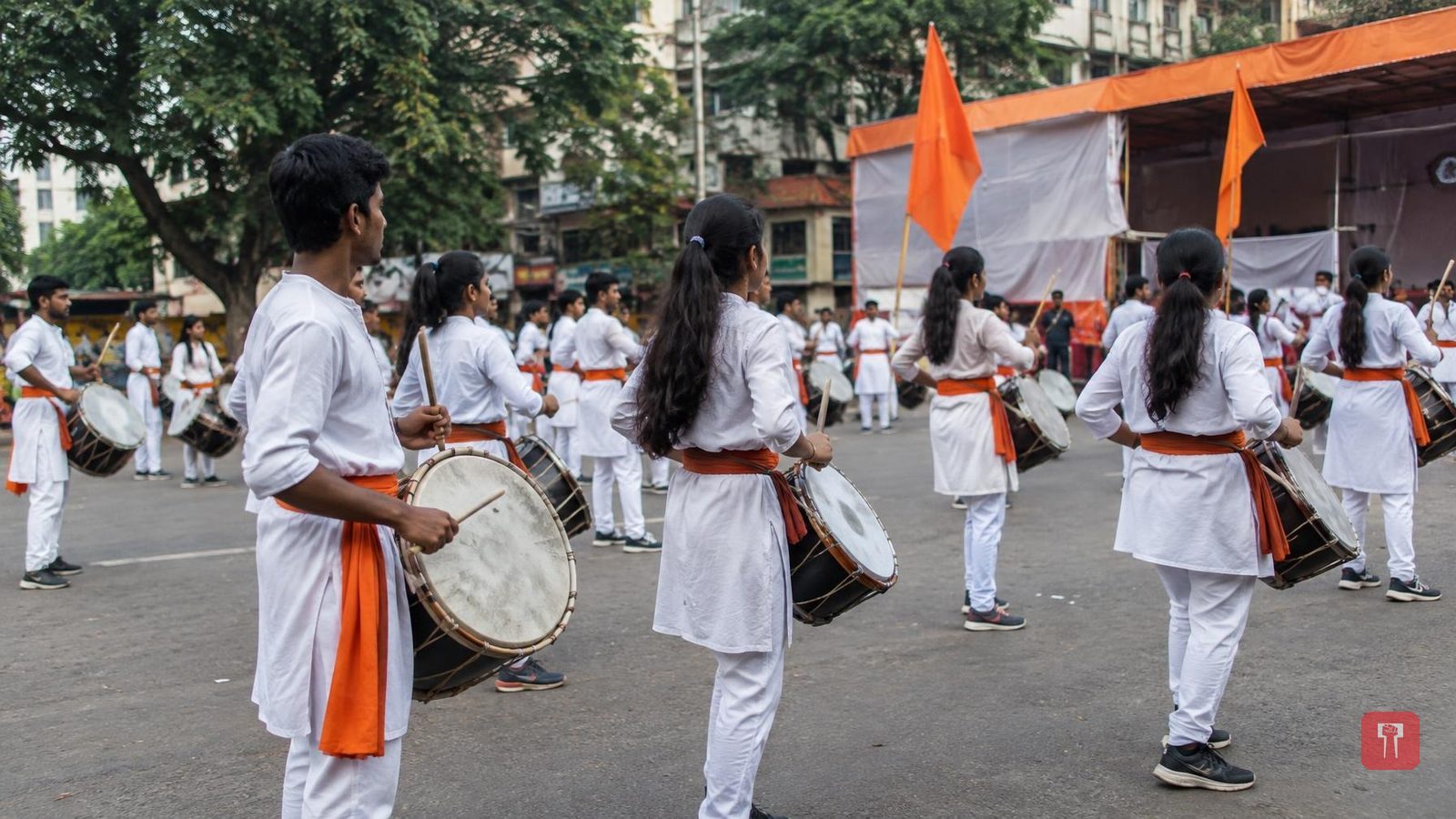
Ganeshotsav is celebrated across the country, but Maharashtra has its own distinct style. From the arrival of the idol to its immersion, the beat of the dhol and tasha echoes through every occasion. When hundreds of young men and women play the dhol-tasha together, the atmosphere fills with energy and enthusiasm.
This tradition of playing the dhol-tasha is many years old and has become an identity of Maharashtra. But very few people know exactly when and why it began. It is, in fact, directly linked to a protest movement.
It was 1965, when, following riots in Pune, the police banned the playing of music during Ganeshotsav. In protest against this ban, Dr Appasaheb Pendse, founder of Dnyan Prabodhini, came out alone onto the streets of Pune and began his protest by playing the tasha. His aim was clear: to revive the culture and grandeur that Ganeshotsav once had.
Appasaheb's solitary protest left a deep impression on the young people of Pune. Following this, students of Dnyan Prabodhini came together to form the first dhol-tasha troupe and began celebrating Ganeshotsav by playing the dhol-tasha with great discipline.
Now for the distinctive features of this tradition. Before the dhol-tasha is played, the valour of the Maratha empire is remembered and the name of Chhatrapati Shivaji Maharaj is invoked. Playing the dhol-tasha is considered a highly disciplined art, and a single troupe can have anywhere from 50 to 500 members. These young men and women begin practising months in advance, without any personal gain.
This annual celebration brings together college students and working people of every kind. Balancing their studies and jobs, they still make time months in advance to practise playing the dhol and jhanj. The sound of the dhol-tasha fills the atmosphere with enthusiasm, and listeners are drawn into devotion to Bappa. Dressed in traditional kurta-pyjama with the dhol-tasha strapped to their waist, this decades-old tradition is carried forward every year during Ganeshotsav with the same fervour.
