

From samosa to biryani, many famous Indian dishes actually have foreign roots
Dishes like samosa, jalebi and biryani, now central to Indian food culture, trace their origins outside India
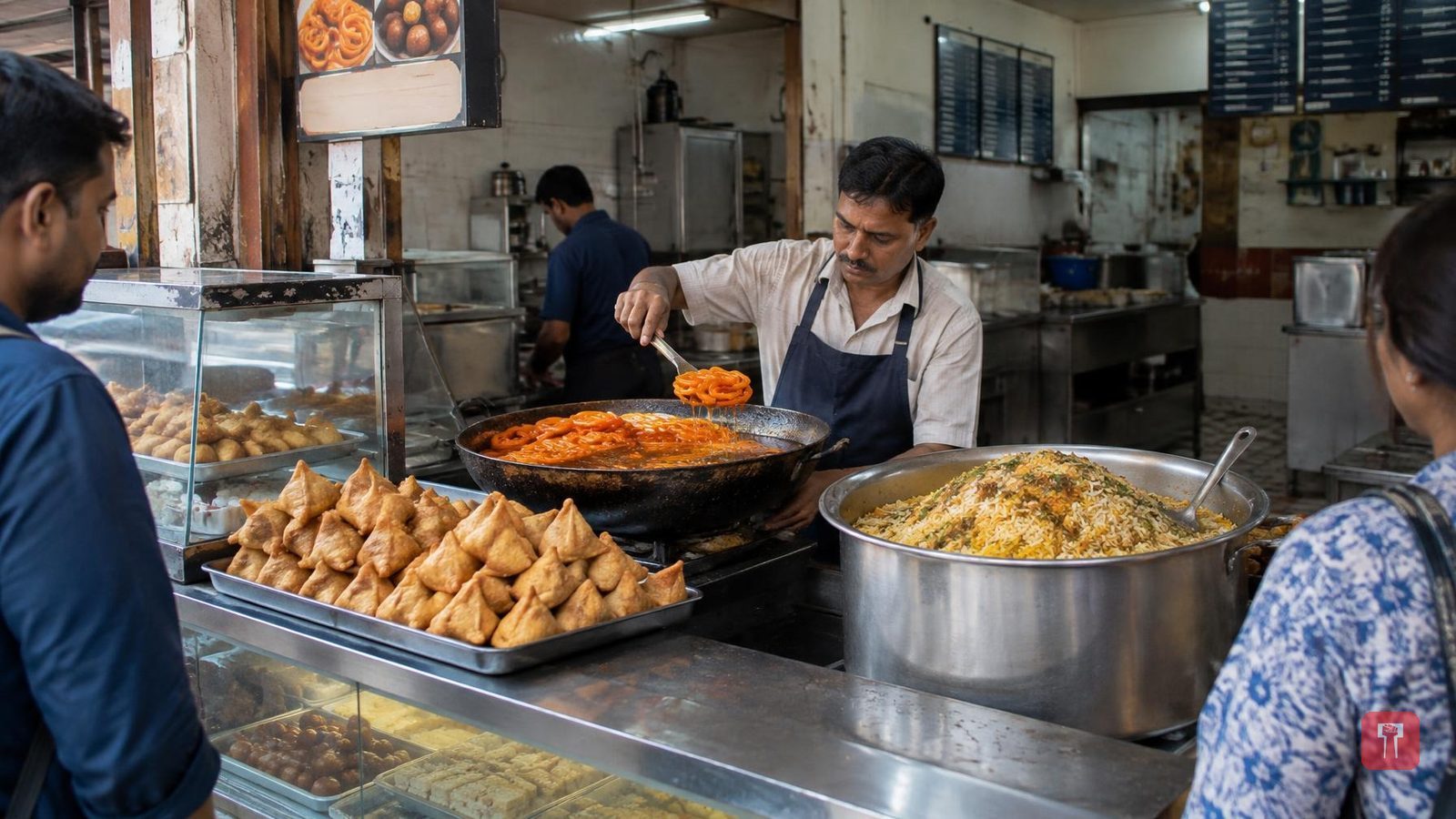
Food in India is never just about filling the stomach, every dish carries a story. The word samosa brings to mind a roadside tea stall, jalebi conjures the smell of warm syrup, and biryani evokes the aroma of spices. These foods are so deeply woven into everyday life that it is hard to believe they did not originate in India.
But a look into food history shows that several famous dishes actually came from outside India and gradually became part of its culture.
Today a samosa is expected to have potato, peas, spices and a crisp outer shell. But the samosa of earlier times had no potato in it at all, since potato itself arrived in India later. The samosa is traced back to old dishes of Central Asia and West Asia. It reached the Indian subcontinent through traders and travelers. Indian spices and potato were later added to it, giving rise to the potato samosa eaten today.
A hot jalebi dripping with syrup makes the mouth water, but jalebi too is believed to have roots outside India. It is linked to sweets such as "zalabia" from West Asia. After arriving in India, its taste and method of preparation changed, and it became a special sweet for festivals and celebrations.
There are many stories about biryani and no single agreed account of its true origin. However, it is believed to have been influenced by Persian and Central Asian food traditions. After reaching India, varieties such as Hyderabadi, Lucknowi and Kolkata biryani transformed it completely.
Naan is common in North Indian food today, but it too is linked to Persian and Central Asian culinary traditions. The tandoor and methods used in India gave it its own distinct identity.
The story of gulab jamun is similar. Today, whether at weddings or as a dessert after a meal, gulab jamun remains in constant demand. Its name and old recipe show Persian influence, but the version made using khoya in India gave it an entirely new identity.
So no matter where these dishes originated, the taste and identity they gained after coming to India are so distinct that few would believe today that they are foreign.
