

Firecracker pollution lingers after Diwali, study of 14 Indo-Gangetic cities finds
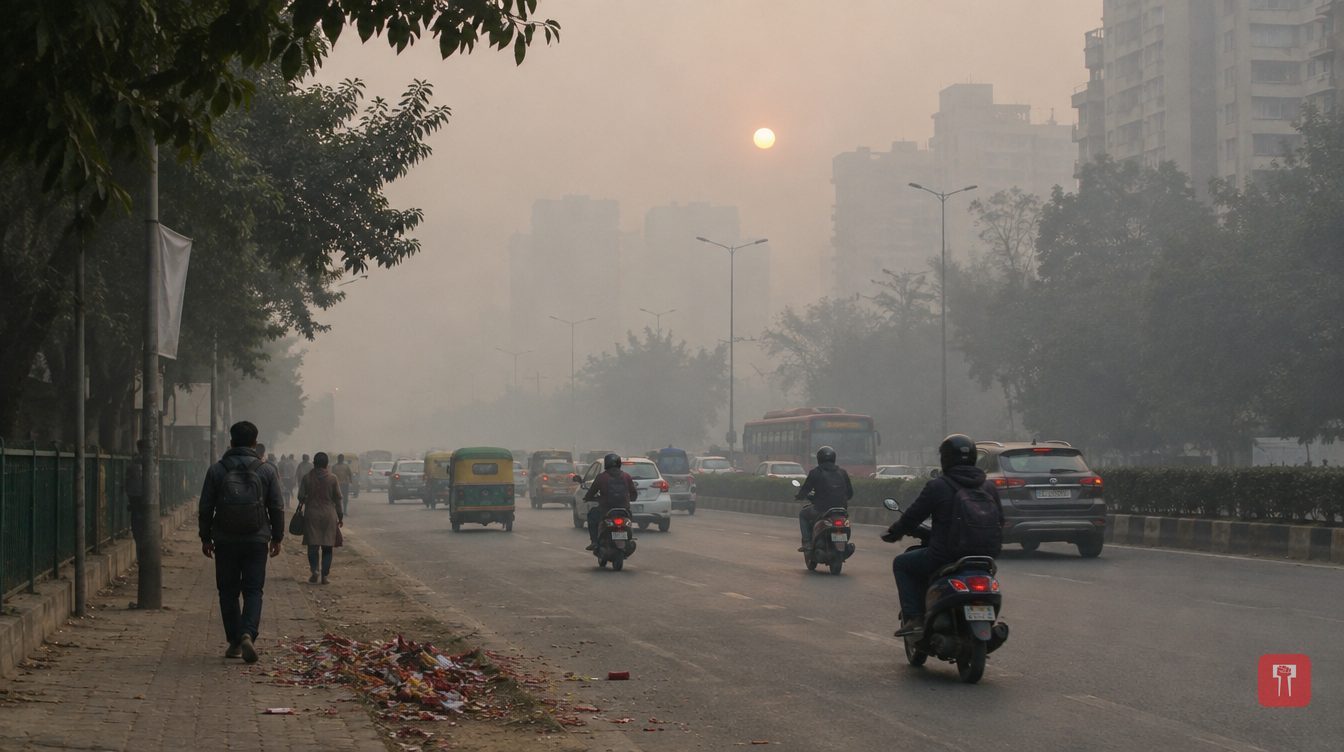 Images are not validated/verified
A study of 14 Indo-Gangetic Plain cities found PM2.5 and PM10 at 3 to 10 times the national and WHO 24-hour limits during Diwali, with levels slow to fall afterwards.
After Diwali ends, the noise of firecrackers and the clouds of smoke fade, and within a few days the sky looks clear again. That does not mean the air pollution has gone. The very fine, toxic particles released by bursting firecrackers cannot be seen with the eye, yet they can enter the body through breathing. PM2.5 and PM10 particles in particular can have a serious effect on health.
A study published in the research journal Nature in June 2026 examined the air of 14 cities in the Indo-Gangetic Plain during and after Diwali. The study covered a 20-day period between October and November 2024. It used ground-based pollution monitoring stations, satellite data and weather data.
According to the study, PM2.5 and PM10 levels in these 14 cities during Diwali were recorded at 3 to 10 times the national standards and the 24-hour guideline limit of the World Health Organization (WHO). In Delhi, PM2.5 rose by 19 per cent during Diwali.
Conditions did not improve immediately after the festival. In Hisar, Haryana, PM2.5 stayed above 250 micrograms per cubic metre. In Delhi, PM2.5 remained above 200 micrograms per cubic metre until November 4, 2024. Pollution from stubble burning and unfavourable weather also contributed, along with firecracker smoke.
There is no single firm answer to how many days firecracker smoke stays in the air. Larger smoke particles settle relatively quickly, while fine particles such as PM2.5 can remain suspended for longer. It depends on wind speed, rain, temperature inversion, humidity and stubble burning. Strong winds can disperse particles, while slow winds let them collect in one area. Rain brings some particles down. Temperature inversion can trap particles near the ground. In high humidity, some particles absorb water and grow larger, so haze and smoke can appear worse. Smoke from burning crop residue in the fields of north India also mixes with firecracker pollution.
Burning firecrackers produces not just smoke and ash, but also various chemicals and fine metal particles that dissolve into the air. These include PM2.5, PM10, sulphur dioxide (SO2), nitrogen dioxide (NO2) and metals such as barium, lead, aluminium and iron.
In a study in Baghpat, Uttar Pradesh, PM2.5 reached 632 micrograms per cubic metre on Diwali night, about 3.3 times the level on ordinary days. The same study found that the amounts of elements such as lead, barium, calcium and iron rose 3 to 20 times on Diwali day.
Dr Randeep Guleria, former director of AIIMS, expressed concern on November 7 about the health impact of pollution. He said patients with breathing trouble in Delhi-NCR had risen by about 20 per cent because of pollution. According to him, patients with asthma, COPD and heart disease are complaining of breathlessness and chest tightness. He also said even healthy people are experiencing throat irritation, persistent cough and difficulty breathing.
Dr Guleria offered some suggestions for protection: when the air is bad, avoid going out as far as possible; wear an N95 mask if you must go out for essential work; do not exercise outdoors in the morning and evening; people with breathing or heart problems should take particular care; and consult a doctor if there is discomfort.
Reach readers on the ward they actually live in.
Advertise with Prime Time 24Reach readers on the ward they actually live in.
Advertise with Prime Time 24Reach readers on the ward they actually live in.
Advertise with Prime Time 24Choose primetime24.com as a preferred source on Google Google shows more stories from your preferred sources in Top Stories.
Reach readers on the ward they actually live in.
Advertise with Prime Time 24
Comments
No comments yet. Be the first.